
Most retirement planning focuses on accumulation — how to save enough. Dana Anspach of Sensible Money has spent her career on the other side of that equation: what happens when it’s time to actually spend the money. In her new book Living Off Your Acorns, she breaks retirement into four distinct phases — pre-go, go-go, slow-go, and no-go — and argues that the decade before you retire may be the most important planning window of all. CFP and MarketWatch columnist Beth Pinsker also stops by to flag an HSA inheritance problem that almost nobody sees coming.
What You’ll Walk Away With
- Dana’s four-phase retirement framework — pre-go, go-go, slow-go, and no-go — and why the pre-go years (the 10 years before you stop working) are where the most valuable planning actually happens
- Why most people wait until months before retirement to do serious planning — and the specific things you can only fix if you start far enough out
- The JP Morgan research showing 20% volatility in retirement spending year over year — and why that makes flexibility a more important goal than optimization
- Why Dana recommends recalibrating your retirement plan every year rather than building a 30-year model that’s guaranteed to be wrong by year five
- The income ladder approach: how having bonds and CDs maturing each year means you never have to sell investments at a loss to cover spending — and why it also helps behaviorally
- The fundedness concept: why the safe withdrawal rate was calculated assuming the Great Depression starts the day you retire, and why dynamic go-go spending gives you more room than the 4% rule suggests
- The retirement red zone — the five years before and the first year after leaving work — and why Dana starts shifting portfolios toward conservatism 10 years out, not five
- The long-term care reality check: why only about 15% of people incur a catastrophic care cost, why home equity is Dana’s preferred reserve asset, and what insurance actually covers versus what people hope it covers
- The HSA tax problem Beth Pinsker uncovered: why a non-spouse beneficiary who inherits your HSA takes the entire balance as ordinary income in a single year — and why you should spend it before your Roth, not after
- Why power of attorney paperwork at each individual financial institution matters more than most people realize — and the specific authentication vulnerabilities that put retirees at fraud risk
Why This Matters Now
The decumulation phase requires a completely different strategy than accumulation — and most people don’t start thinking about it until they’re months away from leaving work. Dana’s case is simple: the earlier you start building flexibility into every decision, the more options you have when life doesn’t go according to plan. And it almost never does.
From the Basement
Dana Anspach joins Joe and OG for a deep dive into Living Off Your Acorns, covering everything from her grandpa feeding squirrels in retirement to the very specific paperwork every financial institution needs before they’ll honor your power of attorney. Beth Pinsker makes a headline segment appearance to explain the HSA inheritance tax problem her MarketWatch piece uncovered. Doug arrives with World Cup trivia. The community shares reactions to the 59% unplanned retirement episode, including Shep’s 30-year story of gradually bumping his savings rate and a 37-year-old Stacker leaving the workforce in two weeks for baby number four.
Resources Mentioned
Stacking Benjamins Community — stackingbenjamins.com/basement
Living Off Your Acorns: Your Guide to the Four Phases of Retirement by Dana Anspach — available on Amazon; search “Living Off Your Acorns” or “Dana Anspach”
Sensible Money — Dana Anspach’s financial planning firm; sensiblemoney.com
MarketWatch — “I’m 66 and have $85,000 in my HSA. When should I start spending it?” by Beth Pinsker
My Mother’s Money by Beth Pinsker — previous Stacking Benjamins appearance linked at stackingbenjamins.com
Stacking Benjamins Basics Guide — stackingbenjamins.com/basicsguide
Stacking Benjamins YouTube channel — OG and Anna basics series; youtube.com/stackingbenjamins
Stacking Benjamins Newsletter (The 201) — stackingbenjamins.com/201



Our Mentor: Dana Anspach
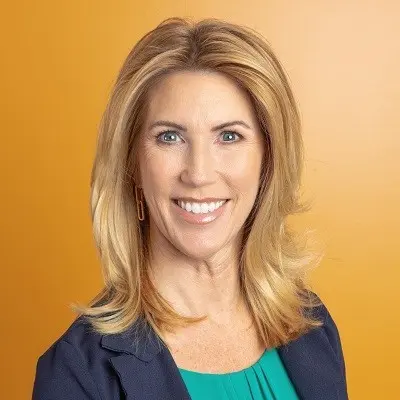
Big thanks to Dana Anspach for joining us today. To learn more about Dana, visit Dana Anspach: Expert Financial Advisor & Retirement Planner. Grab yourself a copy of the book Living Off Your Acorns: Your Guide To The Four Phases of Retirement
Our Headline
Doug’s Trivia
- What South American country does today’s birthday boy, Lionel Messi, play for?
Have a question for the show?
Want more than just the show notes? How about our newsletter with STACKS of related, deeper links?
- Check out The 201, our email that comes with every Monday and Wednesday episode, PLUS a list of more than 19 of the top money lessons Joe’s learned over his own life about money. From credit to cash reserves, and insurance to investing, we’ll tackle all of these. Head to StackingBenjamins.com/the201 to sign up (it’s free and we will never give away your email to others).
Other Mentions
- My Mother’s Money: A Guide to Financial Caregiving, by Beth Pinsker
- Helping Mom With Money Before It’s Too Late (SB1853) | Stacking Benjamins
Join Us Friday!
Tune in on Friday when we dive into the topic of whether you’re giving money, receiving money, or just dreaming…does an inheritance ruin lives?
Written by: Kevin Bailey
Miss our last show? Listen here: The SpaceX IPO Wasn’t for You (and that’s actually fine) SB1858 | Stacking Benjamins
Episode transcript
[00:00:00] opener: Good evening. I’m Ron Burgundy, and this is what’s happening in your world tonight
[00:00:09] Doug: Live from Joe’s mom’s basement, it’s The Stacking Benjamins Show
[00:00:24] Doug: I’m Joe’s mom’s neighbor Doug, and imagine this, retirement is on the horizon or maybe closer. How do you plan? Today’s mentor will help you climb that mountain. Dana Anspach from Sensible Money joins us to plan your route to reach your financial independence dreams. Plus, in our headline segment, how should you take money from an HSA?
[00:00:46] Doug: Former guest and CFP Beth Pinsker wrote a piece for Market Watch on this topic, and she also joins us today. And of course, we’ll take this podcast all the way to 11 with some of my incredible shareable trivia. And now, here come two guys who wanna take your money to 11. It’s Joe and Ol’ Ju- Ju- Ju- Ju- G.
[00:01:14] Joe: What an action-packed show, Doug. Hey, everybody. Welcome back to the Stacking Benjamins show. I am Joe Saul-Sehy. You made it. You found us. Sit back, grab maybe whatever you use to take notes because there’s gonna be a lot to take notes on on today’s show. The thing I’m taking note of is the man, the myth, the legend is sitting across the card table from me right now.
[00:01:34] Joe: Mr. OG is here. How are you, buddy?
[00:01:37] OG: I’m doing okay. How are you?
[00:01:39] Joe: It… I am so, so excited for this episode. When we get, uh, the brilliant Dana, instead of on a panel where she shines, if you’ve never heard our Friday shows, Dana, a frequent contributor to our Friday shows, it’s just gonna be Dana digging in to, um, how to live off your money in retirement.
[00:02:00] Joe: Which is funny, OG, because as you know, a lot of people focus on what to do while they’re saving up, right? But the strategy changes a lot when it’s time to start spending down.
[00:02:11] OG: I mean, accumulating and dis- distributing –
[00:02:16] Joe: Redistributing …
[00:02:19] OG: desaccumulating? Decumulating. Uh- … yeah, two different things. Absolutely.
[00:02:23] Joe: Two… Totally different. And this is, uh, what Dana loves. It’s not only her career, but it’s her passion. So we’re gonna talk to Dana. We only have a couple spots where we have sponsors in this show. We’re gonna hear from a couple now, and then we just have a couple in the middle of Doug’s trivia, so you can figure out the answer to Doug’s amazing trivia question.
[00:02:43] Joe: We’re gonna hear from them right now. And then I’ll be back with the amazing woman from Centible Money. She is a CFP working in Arizona. She also writes at the incredible Retirement Manifesto blog. Dana Anspach talking about even if you’re not retired yet, learning what you’re gonna need when retirement comes to live off those acorns.
[00:03:18] Joe: You normally hear her on Stacking Benjamins here on Friday, but this is weird. She’s here on a Wednesday. Tina Hotspot’s here. And th- this is n- like not your time.
[00:03:28] Dana: It’s
[00:03:28] Joe: not. You’re like two days early.
[00:03:29] Dana: You know what? I’m here, so let’s do it. Who cares what day it is?
[00:03:33] Joe: You’re always mom’s favorite, so she’s here for you here all week.
[00:03:38] Joe: The title of your new project is called Living Off Your Acorns, which is funny ’cause people refer to retirement as living off of your acorns. But this is much more personal for you. This is less metaphor for Dana than it is for 99% of people that wanna, quote, “Live off their acorns.”
[00:03:55] Dana: Yeah, I mean, it really started with me having this wake-up call myself about what is retirement really about.
[00:04:02] Dana: Obviously I know the numbers side. This is what I do for a living, and I had always done my financial plan every single year because I don’t wanna be a hypocrite. Right? I’m gonna, I’m gonna run my numbers and test, what if I retire at this age and that age? You don’t wanna
[00:04:15] Joe: be the dentist with the teeth all over the place, right?
[00:04:17] Dana: Exactly, or the cobbler without any shoes. Right. So when it came to actually me thinking about retirement, it was just this far-off nebulous, “That’s not for me. I don’t know what I’ll do one day.” I mean, clearly, like everyone else, I’m gonna reach a point where I will need to retire, but I wasn’t connected to the idea.
[00:04:39] Dana: And this was now two years ago. We were up in Beaver Creek, Colorado, and normally after three days off work, I’m just antsy to get back into a project. We were there for two weeks, and I didn’t have that feeling once. And it, it really made me think, “Okay, this is what a joyful retirement could feel like.”
[00:04:58] Dana: And I did work some while I was there, but not, not at this hectic pace. I was able to answer a few emails, but I got a lot of writing done, but just a few hours a day, and I thought, “This is my kind of retirement, of having some project I can throw my energy into but being able to go out for a hike or walk down to the village and grab a cup of coffee.”
[00:05:18] Dana: This pace, but you’re still having something that, that you’re putting your energy into, and it was the first time I ever started to connect to, what are we actually planning for? What will my path to retirement be like? And, and it’s different, you know, I think a lot of people that come out of the corporate world, which is a lot of the people who, that financial planners work with, like one day there’s work, and the next day there’s not.
[00:05:42] Dana: That is a, a very abrupt transition, and it takes planning for. It’s, you know, this is a huge, major life change, and me having my first little glimmer into it- … was like a baby step of, “Okay, this is… I, I’m really gonna do this one day.”
[00:05:58] Joe: That’s funny because I normally go on a vacation and I tell Cheryl at day five usually or day six, our vacations now have gotten a little longer.
[00:06:10] Joe: We’re doing well financially, so we can go really explore an area. But generally around day five or six, Dana, I go, “Hear this correctly.” Well, now she does hear correctly ’cause I’ve said it so many times on so many different vacations. I go, “I’m having fun. I’m happy to be here another five days or eight days or whatever it’s gonna be, but I’m done.
[00:06:29] Joe: Like, I’m ready to go home.” And I’m gonna enjoy the next several days, so it’s not that I want to, quote, go home now, but I’m done. But it was funny, we were just in Charleston, South Carolina, and it was time to go home after eight days, and I thought, “I, I wish I had another five days.” Yeah. So you’re right.
[00:06:49] Joe: You get closer, and it just kinda starts changing.
[00:06:53] Dana: Yeah, it starts changing. You become more ready for that leisure time, and I see it with clients I’ve worked with, you know, many who, you know, they were happy working until one day they weren’t. Yeah. And for some people, it is a, a very abrupt shift. You know, we have people that come in who really are unhappy in their job, and they are working toward getting out as soon as possible, but there’s plenty of others like you, like myself, who it’s going to be a very different path because we really do get joy and value from what we do and a sense of purpose from it.
[00:07:25] Dana: You know, if we’re lucky enough to be able to plan that transition down, wonderful. But if we’re not, and it’s taken from us due to a health event, for example, or for some people, you know, their job suddenly ends, that can be a much more abrupt and harder situation to navigate.
[00:07:40] Joe: Yeah, and all those statistics have come out recently that the average person retires before they thought they were going to.
[00:07:46] Joe: Like, they’re planning on 65, 67, 70, you talk about in your book, and then, you know, all of a sudden you’re in your 50s and you go, “Well, maybe that’s different.” Or there’s a life change, to your point, that happens. By the way, I wanna get into this and even deeper than what you’re talking about. When I was talking about living off your acorns, I’m not even talking about any of this, Dana, and about your aha at Beaver Creek.
[00:08:06] Joe: I’m ta- talking about squirrels and acorns are, like, in your family. It, it, y- your grandpa’s obituary- Oh, yeah, yeah … included, like, a picture of squirrels?
[00:08:18] Dana: Yes. You know what? I should put that… I should send you that photo. I’ve been meaning to put it out on social media, but it was my grandpa’s funeral program photo, and he is feeding this squirrel, um, out- Yeah, this is a
[00:08:30] Joe: real thing.
[00:08:31] Dana: This is a real thing. And so Grandpa passed, I was young. I believe I was about eight years old. I remember visiting, and he in his retirement had this… He would put nuts out every day for the squirrels until eventually they would come eat out of his hand. It was amazing. It, you know, it, it struck me as a child.
[00:08:48] Dana: I thought it was just the neatest thing. And then it became his, his funeral program photo of this squirrel coming down and taking these nuts out of his hand. And so it did become the inspiration for my title. And, you know, I have Midwest roots. My grandparents were doctors. They ran a medical practice in Mitchellville, Iowa, and so squirrels were everywhere.
[00:09:07] Dana: Squirrels were part of our life, and then because of Grandpa, they’re a, a thing in our family.
[00:09:12] Joe: Well, and you kinda remember them, you say, as having what you thought of… I mean, you’re a kid, so you don’t know all the bad things that might have been happening, but it seemed like a really idyllic retirement.
[00:09:21] Dana: Yeah, it certainly seemed so. You know, Grandpa and Grandma had an RV. Grandpa had a small plane for a while. Um, I don’t know how much he flew, but they… I remember taking RV trips with them to some of the state parks, and, uh, I remember their Pomeranian dog, Alex, who would kick up into a handstand to, to pee.
[00:09:41] Dana: So he was like a, you know, he walked on his- Don’t we all? Yeah. The talent. And Grandma and Grandpa loved their garden. They had four acres, and the strawberry patch that they worked on, and so Grandma would make her strawberry rhubarb pie. And so yeah, from, from my perspective, you know, I really only knew them as retired.
[00:10:01] Dana: I never knew them as, you know, running their medical practice. And so I probably saw this very leisurely side of them, and I cherish those memories. I’m glad they were able to retire and that I, I have those memories with them.
[00:10:14] Joe: Your aha moment for yourself and your retirement that you described earlier is kind of some of the work that you’re bringing to the area of personal finance and retirement.
[00:10:28] Joe: Because the view retirement experts have had that’s very popular is retirement is these three phases. You characterize it as four phases, including what happened to you, I think, at Beaver Creek. Yeah. What… C- can you describe how your vision of breaking up retirement into phases is different than what we might have seen before?
[00:10:51] Dana: Yeah, I mean, many of us have heard of the go-go phases, you know, early retirement where we’re spending and traveling and healthy and able to do a lot of things, and all of the research shows that that is when spending is typically at its highest, is right around age 65. And then there’s the slow-go phase, where spending naturally slows.
[00:11:09] Dana: There’s some new research out on that, that David Blanchett just released, and it shows the same thing it’s always shown. It really does slow. Even if we have the means to spend, even for the wealthy, spending tends to slow down. And then we have the no-go phase, where spending actually slows even more in cases, except for these rare large healthcare events that they impact a small percentage of the population, but if you study just the averages, they tend to pull spending up at the tail end of life.
[00:11:39] Dana: But for many people, those large expenses don’t happen. And then I added the pre-go phase. So where it all starts is really that 10 years leading up to retirement. It’s really where we form the foundation, the planning you do, how you arrange your portfolio, and really how you begin to think about the shift up ahead.
[00:12:01] Dana: And it’s not just a financial shift, it is really an emotional shift in, in, in terms of what you’re gonna do with your time every day, where your sense of purpose is gonna come from, and the emotional shift of just feeling comfortable spending your money, which the research shows, you know, people struggle with this.
[00:12:21] Dana: And I think it makes sense. A lot of people who are good planners and savers, you know, we like watching those account balances go up, our net worth statement, it goes up every year. To think that it could go the other way or flatten out intentionally, and yet still we would have enough, people just… You know, they can feel very uncomfortable with that.
[00:12:40] Dana: There’s been some press recently on the idea of, of, I think it’s FORO, fear of running out.
[00:12:47] Joe: Yeah. During these pre-go years, back when I was a financial planner, people would come in because they hadn’t done what you had done. You write that you had done the pre-work financially, so that wasn’t a big deal.
[00:13:02] Joe: But emotionally, now things, everything’s changed, where maybe there was a fog before and now there’s much less of a fog. You’re starting to see the highway in front of you of what you wanna do, how you wanna transition. When it comes to the rest of it, that was where you needed to focus on, was now the emotional side.
[00:13:18] Joe: But where do most people get it wrong, Dana? Where do most people during these pre-go years, what aren’t we focused enough on? Is it that emotional side? Is it the fact that we’re not sure where it happens? Or is there something money-wise that you see swathes of people that really, they’re getting it wrong?
[00:13:34] Dana: You know, I think a lot of people are still fearful of doing a financial plan. There’s that sense of, “I might get an answer I don’t want.” We still regularly encounter people who thought they didn’t have enough to retire and are pleasantly surprised to see that they do. Um, and on the other hand, I’ve, you know, I’ve had a few cases where reality was they would need to work longer to support their lifestyle or make some changes.
[00:14:00] Dana: But in every single case, people feel better. That dark unknown starts to turn into clarity of, “What do I actually need to do? What are my options?” And when you have a clear set of options ahead of you, just becomes easier. There’s not this stress hanging over you. And so I feel like so many people literally wait until about the year they’re gonna retire to seriously look at this type of planning, where they could benefit by starting farther out.
[00:14:31] Dana: I always say 10 years is ideal, but, you know, even five years out is better than, “I’m retiring in three months.”
[00:14:37] Joe: Yeah, so you’re saying we wait too long to get data, to get reliable data.
[00:14:42] Dana: Yeah. Absolutely. I mean, it makes sense, too. We’re busy. You know, when you’re working, and especially if you’re in the tail end of your career, uh, you may have more responsibilities, your, your schedule may be very full, and you may be, you know, just having kids graduating.
[00:14:57] Dana: There’s all these things that happen at once, and so I think it’s easy to just, “Oh, you know, I’ll deal with that later.”
[00:15:03] Joe: I love the, I love the fact, Dana, that you’re being nice to our stackers and you’re giving them an out.
[00:15:06] Dana: I am.
[00:15:07] Joe: But I’m not gonna be so easy. I mean, if you’re busy, you’re spending your day at a job for a company that’s having you do tasks because the data says those tasks are important, and yet we spend all this time making this money, and we don’t have any data about what we’re gonna do with that cash?
[00:15:26] Joe: I mean, w- who’s, who’s driving the bus?
[00:15:29] Dana: Yeah, and, and it’s interesting, because when you do the plan, it will show… I mean, every household is different. For some people, it shows, you know, they don’t need to continue maxing out their retirement plans. They may already be on a path where they’re gonna have sufficient assets.
[00:15:43] Dana: They may be better suited to take the extra vacation or hire the extra help around the house during their last five or 10 years of work when it’s going to make a meaningful difference. Um, there’s other households where it shows maybe they do need to increase their savings, or they’re going to think about downsizing the house if, if they overspent on that.
[00:16:02] Dana: Maybe they had a, a large family and, and that type of space won’t be necessary. But you don’t know what those answers are until you do the planning. We all want rules of thumb, but it’s impossible. Every household’s financial circumstances are different.
[00:16:17] Joe: A place where you and I strongly agree, we agree on a lot of stuff, but a place where we strongly agree is that a lot of the people that listen to shows like this one love to optimize, right?
[00:16:29] Joe: They love to make sure that we get things in all the buckets, and we check the right buckets, and the buckets that we hear that are sexy on social media or on podcast or books that we read, whatever. You spend a lot of time talking about we need to solve for flexibility.
[00:16:45] Dana: Yes.
[00:16:45] Joe: I think with our money geeks, we don’t see flexibility enough appear in books like yours.
[00:16:51] Joe: Talk about why flexibility is so important versus maybe putting the right amount into a Roth IRA.
[00:16:58] Dana: Yeah, there’s just so many unknowns. You know, one of the biggest risks, as we already talked about, is being out of the workforce perhaps a few years earlier than planned. That is an unknown. Health is an unknown.
[00:17:09] Dana: If you’re married, the health of your spouse. Uh, things happen with adult children. We’ve had people come back and, you know, an adult child, you know, has a, a, an incident or loses a job, and they wanna financially help. You know, so many people I think think retirement, and then the finances are just gonna go, “Ehh,” like nice and even.
[00:17:28] Dana: You know, JP Morgan’s research shows 20% volatility in spending year over year. So, you know, if you typically spent, you know, 100,000 one year, it might be 120. One year it might be 80. I mean, there are big swings in spending, in cash flow needs. That’s why I like flexibility. I mean, imagine you’re just graduated from college, but you’re trying to make a financial plan for the next 30 years of your life.
[00:17:53] Dana: Would it, would it have turned out the way you thought?
[00:17:57] Joe: You could just go backwards and see, no.
[00:18:01] Dana: Yeah.
[00:18:01] Joe: I needed flexibility.
[00:18:02] Dana: Yeah, you needed flexibility, and I think it can be more predictable during the retirement years certainly than our path from, let’s say, you know, 20 to 50. So it, it does get a little bit more predictable, but there’s still…
[00:18:14] Dana: I mean, people decide all of a sudden they’re gonna move across the country. People decide they’re gonna buy a second home. People decide they’re gonna start some kind of consulting business or mom-and-pop shop that’s been their dream. I mean, we’ve watched all kinds of, of things happen, and people do things differently than maybe what their original plan was because suddenly they have the space and the time to, to think about it.
[00:18:36] Joe: I think that’s the blessing of being on the financial planning end, Dana, is that while any of our stackers listening have not had random things hit them, back when I was a financial planner, r- random stuff came into my office every day, every damn day. ‘Cause when you’re- Yes … working with 100 families, the law of large numbers starts to apply, and you see how easy it is for this to happen to you.
[00:18:56] Dana: Yeah, you do. You see nearly everything that could possibly come across your desk after 30 years, you know, has come across your desk, although I say that, and, you know, every year or two, something new happens that still surprises me.
[00:19:09] Joe: I wanna talk about two more things from the pre-go years. Number one is you write about how to invest, and people generally start moving assets into safer places, so they’re getting ready to spend them.
[00:19:24] Joe: Do we do that too early?
[00:19:26] Dana: I, I don’t know that that is necessarily the case. Again, household to household, I’ve seen people stay 100% equities till the year of retirement. To me, that would make me really nervous. You know, there’s research around those retirement red zone years, which I also talk about, the five years leading up to retirement, and even the latest research shows those five years and the first year of retirement are among that 10-year span even the most important.
[00:19:50] Dana: I’m a fan of taking a look at things 10 years out from retirement partly because, let’s say you’re planning to work till 67. Well, we know that might really turn into 63 or 64.
[00:20:02] Joe: Yeah, right.
[00:20:02] Dana: So you’ve built in those contingency plans, and so you’re starting to shift assets from growth to something more conservative depending on, on how your portfolio structure is managed.
[00:20:14] Dana: Now, people who are 60% stocks, 40% bonds 10 years out from retirement, I, I, you know, I feel like there’s probably room to be more aggressive, but if that’s what allows them to sleep at night and their expected rate of return is still gonna help them accomplish their goals, and they just, you know, feel more comfortable with that level of risk, there’s so many different paths that can work.
[00:20:37] Dana: You know, as an industry, you know, people always want, “It should be like this,” but, but there are a lot of parallel paths that can work. It’s just knowing what your path is, being intentional about it, not just reading an article and being like, “Oh, I’m gonna do it like this.”
[00:20:52] Joe: Is that retirement red zone there because of the fact that we’re so close to, I’m gonna nerd out a little bit, what we call the safe withdrawal rate?
[00:21:01] Joe: Which is we’re trying to spend every last dollar as a safe withdrawal rate, and that puts us squarely into from maybe yellow zone into the red zone. We’re trying to spend too much money
[00:21:11] Dana: Um, trying to spend too much, I mean,
[00:21:14] Joe: I don’t- You know what I mean? If let’s say that the safe withdrawal rate is, there’s so much discussion around this.
[00:21:20] Joe: What is it now? F- we’ll, we’ll call it 4.8%. 5%. 5%. We’ll call it five
[00:21:23] Dana: and a half.
[00:21:24] Joe: We’ll go with 5%. Let’s say that it’s 5%, and I do my math based on spending all 5%. There’s part of me that feels like that puts you in that red zone in those first t- few years because of the fact that you’re trying to eke out every dollar.
[00:21:38] Joe: Like, it’s gonna create, Dana, this unhappy retirement because if anything freaking goes wrong, you’re in trouble. So you end up being the angry person on the couch watching the news all day, yelling at politicians because crap out of your control is happening.
[00:21:53] Dana: Yeah. You know, I do see people do that, and so they take the safe withdrawal rate and even make it safer, but it’s already labeled the safe withdrawal rate.
[00:22:03] Joe: Well, should it be the super safe withdrawal rate- You know … so that
[00:22:06] Dana: we don’t have
[00:22:06] Joe: the red zone so much?
[00:22:08] Dana: The safe withdrawal rate was calculated as if the Great Depression started now, like the year you retire. And so we have real live data to say, “Okay, that’s not happening right now,” and so why am I gonna base my retirement day one as if those are the conditions that, that are real when they’re not, when you can make adjustments along the way?
[00:22:32] Dana: And so- Are
[00:22:33] Joe: you saying I could go higher than that, then?
[00:22:36] Dana: Well, there’s, you know, the, what we like to do is use a different metric, which I’ve talked about, called fundedness, where yes, I might be able to take out more. Not forever. I will build in what I call rolling go-go spending. So I might say, “Okay, you know, this household wants to spend an extra $10,000 a year for the first five years of retirement.”
[00:22:54] Dana: Maybe that puts them above the safe withdrawal rate, but it works just fine when I look at their withdrawals over their lifetime relative to the amount of financial capital they have. And then the next year, you know what? I run it for five years, and then the next year I run it for five years. Now suddenly if I get to a year where I’m running it out five years and it doesn’t look so good, well, I’m gonna back out some of that go-go spending and say, “Okay, you know, we knew this might happen.
[00:23:18] Dana: We need to taper off the go-go spending.” And, and we haven’t actually had to do that except for the time period right around 2008, 2009, where we had people where they, they were able to retire comfortably, and it was super scary. They didn’t have to take pay cuts, but we certainly didn’t have extra spending built in.
[00:23:38] Dana: But we were able to adjust that live in real time, and then as conditions recovered, suddenly inflation raises began, and extra spending started to get built in. So that’s that flexibility, that ability to adjust on the fly. I was just at this conference, um, this board meeting actually last Friday where we were talking about this, and they’re trying to map out this dynamic spending plan for 30 years, and I’m like, “Why?”
[00:24:03] Dana: Like, this is impossible to do that from day one. Just recalibrate every single year, and every single year we start fresh with, you know, our account balances and our spending plan and, and then you have this very flexible approach that adjusts based on real-life conditions. It’d be like trying to fly a plane.
[00:24:22] Dana: Like, you have to adjust along the way. Stuff happens. You can’t just set the course and then, you know, you end up in Greenland when you were trying to go to New York City.
[00:24:31] Joe: I think everybody on Earth knows the 30th year of a 30-year financial plan is going to be way off It’s gonna be way
[00:24:38] Dana: off Absolutely
[00:24:39] Joe: Yeah
[00:24:39] Dana: You know-
[00:24:40] Joe: So why look that way out, that far out?
[00:24:41] Dana: I, I actually wanna… That’s not necessarily true. If you are adjusting along the way, the 30-year or the 10-year- No, I’m saying if
[00:24:51] Joe: you don’t adjust. Yes. I’m saying if you don’t- If you don’t adjust, absolutely … if you’re doing a 30-year plan like they were talking about, it’s going to. Yes. But adjusting every year makes sense.
[00:24:57] Joe: Yeah. Which, you know, my whole goal of that whole segment, Dana, was just to hear you say fundedness- … which is the, uh, which is like the hot new term now that Dana has created for all of us. I’m, I’m seeing it everywhere, which is awesome. I’m probably even using it wrong. Well,
[00:25:11] Dana: I… Yeah, I just saw it in David Blanchett’s, uh, you know, a talk that he did, and they called it funded, I think, instead of the extra fundedness.
[00:25:21] Dana: Um, but they did use a funded ratio.
[00:25:24] Joe: Maybe it’s because you have the TM on the nes.
[00:25:29] Dana: Maybe I should TM it, but no, I think it’s too broad of a term.
[00:25:34] Joe: Well, let’s talk about, that gets into the go-go years really and about how important it is to be flexible with those go-go years. What’s another big thing during the go-go years that people stumble on?
[00:25:46] Dana: You know, we talked a little bit about the go-go spending. Um- Uh-huh … I really think, you know, the idea of, of portfolio flexibility. So there’s, you know, two different- equally viable approaches to managing money. There’s, you know, a total return re-rebalancing to an allocation, and then there’s an approach I like, where you’re actually building what I call an income ladder, bonds that are maturing to align to the amount of spending.
[00:26:11] Dana: Now, a common question comes up is, you know, “Well, how, how many years of cash flow should I have covered?” And the idea is it’s just building, um, a safety net, a floor. You’re never going to align your portfolio exactly with the amount of spending that you’re likely to have. But if you have bonds or CDs maturing each year and, you know, the Great Recession comes along, a 2008 situation where suddenly things are down 36 or 45%, um, or 2022, where stocks and bonds were down, right?
[00:26:45] Dana: Well, you have something now maturing. You didn’t have to sell anything at a loss that covers a large portion of your planned spending, maybe all of it, certainly a large portion of it. So it helps minimize the need to sell things at a loss. Um, it also helps with just the behavioral aspect of, you know, we’ve had so many clients email us thank yous when the market’s down, going, “I understand I have an income ladder, and this isn’t gonna impact what I can spend this year,” and they get the process.
[00:27:19] Dana: And so I think there’s, there’s some really valuable aspects to structuring that portfolio. Now, if you’re the engineer type and you can just rebalance and follow an allocation model, there are people that are well-suited to that. Um, but it’s not for everybody. We’re all different.
[00:27:34] Joe: I feel like for the vast majority of session, uh, of people, when I was a financial planner, just understanding your plan and that income ladder, I mean, selling at a loss sometimes, as you know, Dana, it’s not gonna be the end of the world, right?
[00:27:47] Joe: Yeah. If you’ve got other things that are way up, I could sell these things at a loss. But man, people hated it. They do hate it. Yeah. Behaviorally, it just made it so, so, so much m- much easier. How important is the tax strategy during those go-go years when we’re, we’re starting to, during that same timeframe, we’re looking at tax on our Medicare, we’re looking at IRMAA, we’re looking at, you know, we’re starting to stare down the, the fact that RMDs are around the corner.
[00:28:16] Joe: How important is the tax planning aspect?
[00:28:18] Dana: I think it’s critically important. You know, I’ve seen tax planning add in, in some cases hundreds of thousands of dollars to the bottom line just by coordinating when you claim Social Security, and whether you do ROTH conversions, and when you take IRA withdrawals, and when you realize capital gains, and if you can, you know, use the healthcare tax credits.
[00:28:41] Dana: Those kinds of things, again, are unique for each household. Tax planning becomes less relevant, you know, a household that has all their savings in a tax-deferred IRA. I’ve come across a few of those. We have one lever to pull, which is pull money out of that IRA account really.
[00:28:59] Joe: Right. I always used to say when I was a planner, I’m like, “You have two choices: eat or don’t eat.”
[00:29:05] Joe: That’s pretty much it.
[00:29:06] Dana: That’s it. But many people have money in different buckets, and health savings accounts, and ROTHs, and deferred comp, and IRAs, and, and now that planning can add meaningful value. So I describe it as the opportunity years. I had someone write me and say, “How come you didn’t include qualified charitable distributions in your opportunity year graph?”
[00:29:26] Dana: And I’m like, “Oh, such a good idea. You know what? I now have a version of that graph that has them on there. I just forgot, but I think I got everything else on there.”
[00:29:37] Joe: People are already looking a- forward to the second edition- It’s great … of the new book. Yes. I wanna skip ahead before we say goodbye because the slow-go years are very important, but there’s one big issue that you know and I know that CFPs really struggle with, and it’s the idea that you alluded to earlier, which is catastrophic illness, right?
[00:29:57] Joe: Yeah. What about the catastrophic illness hitting us? Long-term care has been just a debacle the last 30 years. How do we solve the long-term care problem, Dana?
[00:30:09] Dana: It’s a challenge. You know, the reality is it’s a huge expense for a very small portion of people. And so we like to set aside home equity as a reserve asset to help cover that long-term care cost.
[00:30:24] Dana: But for most people, it is not a catastrophic event. For most people, they may need some care at home. Medicare may cover some of that if it is after a hospital stay, and they’re not doing the other things. They’re not eating out, entertaining, traveling. So when you look at the actual spending in later life, healthcare, you know, we always see on the graphs goes up, but other expenses go down.
[00:30:51] Dana: When we’re not ill, we’re not out… When, when we are ill, we’re not out, you know, doing things. And so it’s not often a dollar for dollar increase over other things. But if you don’t have a substantial amount of home equity, then you’re either gonna spend down your assets and look at Medicaid as an option, or you’re gonna set aside reserve assets, possibly one of the long-term care policies.
[00:31:15] Dana: You can look at, for example, a hybrid policy where you set aside a lump sum that helps cover long-term care costs later. It’s a challenge because there is no policy that will cover- All of it … an open-ended cost.
[00:31:27] Joe: Yeah. I look at it that there’s three ways, and you kind of covered these, but I want to segment them.
[00:31:35] Joe: You can either cover it all yourself. How much home equity do you think would be enough?
[00:31:40] Dana: There’s a… I can’t remember which company has this study out, but they look at, you know, 15% of people will incur a catastrophic cost, which they define as 250,000. To me, in the scope of, you know, of where home values are at, that would be perhaps a reasonable amount to cover.
[00:32:01] Dana: But clearly, if you are a higher net worth household and you want a private room, and you’re gonna need memory care, and you might need that memory care for 12 years, you know, you could have a cost that far, far exceeds that.
[00:32:15] Doug: Sure. If
[00:32:16] Dana: you are that high net worth household though, you probably also have assets and, you know, higher equity real estate- equity and real estate values that are gonna help cover that.
[00:32:25] Dana: So it’s really the lower demographics that I think, you know, lower income, lower net worth demographics, where this is such a challenge to figure out how to cover- Sure … these costs.
[00:32:34] Joe: Yeah. J- so 250 though is kind of your minimum-ish, I guess,
[00:32:39] Dana: number. Minimum-ish. Yeah. Yeah. Yeah, and they say, you know, a- about 15% of people would incur a cost of that size, which means 85% are not- Yeah
[00:32:50] Dana: gonna incur anything close to that.
[00:32:53] Joe: Does that mean that, uh, w- w- well, okay, then the, then the middle one, so that’s, that’s one, uh, aspect. You just cover it yourself. You self-insure as much as you’re able to. The other end, let’s go to the other extreme, is give it all to the, to a long-term care insurance company.
[00:33:09] Joe: It sounds like based on your interpretation of the statistics around long-term care that you really don’t recommend that. It sounds, in some ways, while for some families it could be this huge expense, that maybe we’ve overblown this a little bit.
[00:33:23] Dana: You know, I don’t know that we’ve overblown it. We definitely do recommend long-term care insurance.
[00:33:27] Dana: I mean, we have these conversations and work with each household to look at their individual situation and, and kind of figure out, well, what is gonna be appropriate here. The statistics say, you know, it’s, it’s kind of like, well, your house burning down is a very low probability, but very expensive event.
[00:33:44] Dana: So it’s the same, you know, the average household is going to incur some type of long-term care cost, but a catastrophic cost is only a very small number of households. And there- Yes, the keyword’s
[00:33:55] Joe: catastrophic.
[00:33:57] Dana: Yes, the keyword is catastrophic. You are gonna incur costs, and there are some unique benefits to having insurance in that you’re more likely to get quality help if you have insurance in place, whereas there could be that tendency to, you know, “Oh, I, I’m not gonna spend my money.”
[00:34:12] Dana: We see that as a struggle in retirement already, you know, on fun things, let alone non-fun things. And then each household is unique because you have some households where the family is absolutely, you know, going to add on to, you know, one of the adult children’s homes or bring mom or dad in, and they wouldn’t even consider doing anything else.
[00:34:33] Dana: You have other households, I have an 89-year-old married couple, they’re currently our oldest clients, they’re, you know, have been very clear. Like, “We’ve told our children, when the time comes, you put us in a home and you go out and live your life.” And they have the, you know, the resources and the assets to, to cover that too.
[00:34:50] Dana: And so I, you know, that’s why it’s, it’s like everything else, right? It’s so dependent upon the household and the family circumstances.
[00:34:57] Joe: Well, and, and you get to, at the end of your book, I think it’s interesting, during your pre-go years, you’ve got a pre-flight checklist, and at the end-of-life years, you have a landing checklist Yes
[00:35:10] Joe: for people. Yes. But when people are in this whole landing phase, it seems to me then that it depends on what your wishes would be around beneficiaries and around, you know, legacy planning.
[00:35:22] Dana: Yeah, beneficiaries, legacy planning, you know, really figuring out who can make these decisions for you if you’re not able to.
[00:35:30] Dana: So we’ve had numerous situations lately where people, you know, just seem to be confused, and we suggested them bringing in a power of attorney or a successor- Mm-hmm … trustee, and it’s been wonderful to have that person able to help us navigate the situation. But without that, it can be really troubling.
[00:35:49] Dana: People make decisions that don’t make sense. They don’t recognize that their clarity has changed. I really worry about fraud. And so we look at, you know, two-factor authentication and now pass keys and how to set up internet security and all of the things now that require you to do everything online. How is this demographic gonna navigate that safely?
[00:36:12] Dana: Who is going to help them? We had a friend’s Schwab account get hacked recently. Now, Schwab shut it down- Oh, no. Yeah … and say, you know, they, they recognize it and nothing left the account. But it was a very sophisticated hack. The person had used a very simple password and had also used the same password on their phone, so the hacker was able to access their phone, which got them into, you know, the authentication codes.
[00:36:36] Dana: And, you know, just following basic password protocols, using something called a password manager, these are things those of us still working might take for granted, like we’re… you know? But if you’re retired, you might not even know these new security features are available. I, I really worry- Your- … about this.
[00:36:54] Joe: Your 89-year-old.
[00:36:55] Dana: Yeah. How are you gonna navigate this, you know? Yeah. Unless you do have an adult child who’s gonna come over and help you get s- everything set up safely, um, it’s scary.
[00:37:06] Joe: And it’s interesting. We just talked to Beth, uh, Pinsker recently about dealing with her mom’s money, and the fact that banks are asking more questions than ever before.
[00:37:16] Joe: People like you are asking more questions- Yeah … than ever before. But I remember, Dana, when I was an advisor, this lovely older woman came in. We had a great relationship. We, we had made some financial decisions with her. Her son called me later in the day and was furious that he was not involved, and she seemed completely with it.
[00:37:40] Joe: In fact, I suspected him of just wanting to get into mom’s money. I was very suspicious- Yeah … until I asked 50 more questions, and I found out that Mom can seem incredibly with it, and then can’t remember anything that we did an hour later. Yeah. Uh, which ended up being the case. Yeah. That she had no recollection of any of the decisions that we made.
[00:38:02] Joe: So I think that just having the right paperwork now is table stakes. That’s just the beginning. You know, having these conversations with your kids and your relatives and, and whoever is involved is super important as well.
[00:38:16] Dana: Yeah, and recognizing that, you know, even if you do have a power of attorney, each financial institution needs their own set of forms filled out, so I watch this catch people off guard all the time.
[00:38:26] Dana: You know, they have a power of attorney set up years ago. They take it in. You know, it’s not accepted because it doesn’t have the right authorities listed. You know, can they change beneficiaries? Can they move money? Can they buy stocks and bonds? Like, there are very specific authorities that brokerage firms need to have to authorize a, a durable power of attorney.
[00:38:46] Dana: So they all have their own forms now, and those need to be signed really, you know, before it’s … you’re on the cusp of needing them. You need to be prepared, and, uh, I think this is gonna be a challenge as people enter those later slow-go and early no-go years.
[00:39:02] Joe: I wish you were thorough about this stuff. If only you were thorough when it came to retirement planning.
[00:39:10] Joe: Dana has a new book that’s out covering not just what we covered today, but far, far, far more. You go into all four of these sections of these, the, the, uh, pre-go, the go-go, the slow-go, and the no-go years, and you have these very simple, repeatable, repeated subsections, what we see in practice, key mindset shifts for each period, the risks, the spending changes, tax and planning opportunities, how to invest, and then the different checklist.
[00:39:44] Joe: And then you have some considerations which are throughout retirement as well.
[00:39:48] Dana: Yep. Yeah, really marriage, um, divorce, social security, claiming if you have a, a prior marriage over 10 years. So, you know, I call of those, you know, the considerations across the phases, marriage, later in life marriage brings some unique considerations to think about as well as later life divorce.
[00:40:06] Dana: And, um, we don’t see that talked about a lot in retirement planning, but of course we do encounter it.
[00:40:11] Joe: And then the awful thing, w- what, what happens when you lose a spouse. Um-
[00:40:15] Dana: Yeah. And we do see that more frequently. It’s part of life. And so navigating that phase is, is challenging. But again, I think when we emotionally and mentally prepare for these different shifts and what retirement’s gonna look like, it is not one distinct thing.
[00:40:31] Dana: It is very separate phases, and through each phase we go through these separate shifts, and they’re not just financial. There are different financial needs throughout the phases, but there are also emotional shifts that happen.
[00:40:44] Joe: Like you and I have already seen in our lives.
[00:40:47] Dana: Yes, as we enter the very first pre-go phase, that shift is starting.
[00:40:52] Joe: The book is called Living Off Your Acorns: Your Guide to the Four Phases of Retirement. Where does everybody get it, Dana?
[00:40:57] Dana: Uh, Amazon. You can find it on Amazon. Type in Living Off Your Acorns. It will pop right up, or type in my last s- last name, my full name, Dana Anspach.
[00:41:07] Joe: Can we also find it at Sensible Money?
[00:41:09] Dana: Um, you know, actually no. Not right now. We should be able to, but I don’t think we’ve gotten there yet. So Amazon’s your best place.
[00:41:19] Joe: But- Dana’s been traveling a lot …
[00:41:21] Dana: I have been traveling recently,
[00:41:22] Joe: yes. Yes. We’ll link to, by the way, the link on Amazon at our show notes page at stackingbenjamins.com. Great seeing you.
[00:41:29] Joe: Thanks again, as always, Dana, for being such a great mentor for our Stackers. We appreciate you so much.
[00:41:35] Dana: Great to be here. Thanks, Joe.
[00:41:40] Doug: Hey there, stackers. I’m Joe’s mom’s neighbor, Doug, and I don’t know if you’ve noticed, but there are some pretty big soccer games going on, or for those of you in the other 48 countries listening to me right now, football matches. Pfft. That’s right, it’s one of the biggest Benjamin stacking and Benjamin spending events in sports, the World Cup.
[00:42:00] Doug: Played every four years, the cup brings together all the things you love about sports, spending tons of money to watch two teams tie. Well, today’s the birthday of one famous footballer, Lionel Messi. After spending most of his career in Spain playing for FC Barcelona… Sorry, Barcelona. He moved to the USA’s MLS League and led Miami last year to the championship.
[00:42:24] Doug: But in World Cup play, he’s out there right now trying to defend the World Cup championship his country earned back in 2022. So here’s today’s question: What South American country does today’s birthday boy, Lionel Messi, play for? I’ll be back right after I go see if maybe Team USA needs a World Cup announcer.
[00:42:45] Doug: Just think how much more fun it’d be saying, “Goal” than, “Mutual fund expense ratio.” Well, now that I think about it, eh, maybe it’d be a tie
[00:43:11] Doug: Stackers, I’m Serious Financial podcast striker and guy who always loves a good goal, Joe’s mom’s neighbor, Doug. Today, we’re celebrating the birthday of Benjamin stacker and goal scorer, Lionel Messi. Messi stacked some serious Benjamins joining the US-based soccer club in Miami. Reportedly, he’s earning around 25 mil per year, which is close to what I’m making here in Mom’s basement, you know, if you take off the word mil.
[00:43:39] Doug: Here was today’s question: What South American country is Messi representing in this year’s World Cup? Of course, it’s defending champs Argentina. And now, check out this pass. Back to Joe and OG.
[00:43:59] Joe: Big thanks again to Dana for joining us. Fantastic as always. And OG, a lot to think about there. I mean, the time to begin planning retirement is not five days, five weeks, or five months before you retire. Man, people in their 40s listening to this, 30s listening to this, it kind of reminds me of, um, of, uh, who is that guy that wrote the book Seven Habits of Highly Effective People?
[00:44:25] Joe: What’s his name?
[00:44:27] Doug: Never heard of it. Willie Wonka.
[00:44:30] Joe: That’s right. Stephen Covey’s book, uh, which I never quote, that’s why I- Hmm … can’t remember the name. But he, he talks about you pick up one end of the stick, the other end of the stick comes with it. You put money in, OG, it’s gotta come out, so we need to start thinking about what the heck’s my strategy gonna be to take money out?
[00:44:47] OG: It helps to think about it when you’ve got some time to do something about it. Now look, at the end of the day, I think there’s a lot of energy that’s spent on optimization that is a bunch of useless energy, like we talked about on Monday. All the energy on SpaceX when really you should be putting energy into just investing money, you know?
[00:45:06] OG: Like, like that’ll work if you give it time. I think far too many people are putting too much energy on, like, that, you know, .1% differential between, you know, whatever, and not enough time spent on what the hell you’re gonna do when you retire, or how does your spouse feel about this, you know, plan of yours to, like, be at home all day from now on.
[00:45:31] OG: Or just simply the mathematics of retiring. You know, setting aside for a moment the, you know, optimization piece of Roth versus brokerage versus IRA, social security, distribution strategies, IRMAA, Medicare. All of that is super important, but the thing that’s most important is getting to retirement with a bunch of money.
[00:45:52] OG: So if you can start thinking about y- at least giving yourself the flexibility when you’re in your 40s, when you’re in your 50s, and setting up the runway that you have to make sure that no matter what comes up, ’cause look, we can have a great plan, and it’d be great for, like, if nothing changes, but if you’re 50 right now, you’re gonna retire when you’re 65, three more presidential elections.
[00:46:15] OG: Close to four. That’s, like, a whole generation of presidents. You know? You’re like, we’re at Trump, we had Biden. This is like thinking back to, like, Obama time, and you think, like, when was Obama president? You’re like, “Oh my God.”
[00:46:29] Joe: When did
[00:46:29] OG: that happen? You remember, right? That was 16 years ago. The same thing is gonna happen for you.
[00:46:35] OG: What is that gonna mean for tax rates? What’s that gonna mean for, I mean, hell, where are you gonna live? You can optimize for all day long. What you wanna optimize for is flexibility for decision-making. That’s really the biggest piece as, as it comes to retirement planning when you’re in your 40s and 50s.
[00:46:51] OG: Like, how do I make it so that I have the most choices available to me when I get to that decision time? Which, by the way, will change year to year once you get into retirement.
[00:47:00] Joe: One of the things that can build flexibility is an HSA. For some people, they can over-optimize the HSA. We are gonna do something we ra- we rarely do on this show, which is, guess what, guys?
[00:47:12] Joe: We have a special guest for today’s headline segment
[00:47:17] headlines: Hello, darlings. And now it’s time for your favorite part of the show, our Stacking Benjamins headlines.
[00:47:23] Joe: Today our headline comes to us from Market Watch. I’m 66 and have $85,000 in my HSA. When should I start spending it?, is the title of this piece. It’s written by, uh, Beth Pinsker.
[00:47:38] Joe: Something we usually don’t do in our headline segment is have the author of the piece on, but today, CFP Beth Pinsker is with us. How are you, Beth?
[00:47:46] Beth: Hey, how you doing? I’m good.
[00:47:47] Joe: So you fielded this question, and it brings up a few things. Number one is, you know, our stackers, a lot of them have been accumulating money in the HSA.
[00:47:56] Joe: They like the fact that they don’t have to spend it today. They can save it and use it later on. But the reason I wanted to really highlight your piece is because while people think I can use this later, we don’t really have a drawdown strategy.
[00:48:10] Beth: Yeah, a lot of people don’t think about that later. You can’t take this one with you.
[00:48:14] Beth: It’s not easy to give away.
[00:48:16] Joe: Why is that? Why can’t you take it with you?
[00:48:18] Beth: First of all, if you have a spouse, you can transfer the HSA to the spouse, and the spouse can continue it as an HSA. But if it goes to a non-spouse heir, it becomes just a regular account. You gotta empty the money out of there all at once, and that’s a taxable event.
[00:48:35] Beth: So if you have $85,000 in there, that’s $85,000 that your heir has to add to their account. If you have much more than that, say some of your people have $225,000, that’s gonna blow up their taxes for, you know, the year- Wow … that they inherit.
[00:48:53] Joe: So to get this straight, your beneficiary on the account, it’s taxable to them as ordinary income?
[00:49:00] Beth: Yes. It could be an account… You know, you could avoid that by giving it to charity, leaving it in different chunks, you know, so that it spreads it across different people so it spreads out the tax burden. But this is not the best asset for heirs. So if that is of concern to you, then order your spending so that you spend down this money before you spend down other money.
[00:49:25] Beth: Like, if you have the choice between spending from your HSA or a Roth IRA, you would wanna spend from the HSA first, because the Roth is a great vehicle for inheritance.
[00:49:36] Joe: That is so wild, and I know that 90% of our stackers have never heard of that before. They had no idea, because all we hear about on this side of the equation is, “Hey, don’t spend it today for your, your medical expenses.”
[00:49:50] Joe: But it almost makes me think, like, this idea of saving it might be a little overplayed.
[00:49:56] Beth: Well, the idea for most people is to save, save, save, save, save, and they never get to the spend, spend, spend. Spend, spend, spend makes everybody uncomfortable. We, as a just general human beings, do not like the decumulation phase of-
[00:50:10] Joe: Especially very good savers
[00:50:12] Beth: Yeah. It’s hard. And so when it comes to spending money in the HSA, it’s uncomfortable for people to think about emptying accounts to zero. You will have healthcare expenses in retirement. Once you enroll in Medicare, you can delay it past 65, but generally once you’re on Medicare, you can’t contribute anymore.
[00:50:36] Beth: So that’s one of your markers, like your milestones for when you should start spending. You can use that money in the HSA to cover your premiums at that point. You can’t use it before to cover healthcare premiums, but you can use it for Medicare after you stop contributing. You can spend it on co-pays, you can spend it on deductibles if you have them, if you’re on a Medicare Advantage plan.
[00:51:00] Beth: You can spend it on long-term care insurance premiums, which might be high, and you can spend it on long-term care itself.
[00:51:08] Joe: That sounds like a great usage of this money.
[00:51:11] Beth: The use case of doing it was always to save for future healthcare expenses. I think the use case when it was developed as an account was to be able to cover current expenses and save for the future.
[00:51:26] Beth: But nobody can really do that in real life. Most people put money in and take money out in a year and have a zero balance. Like, they zero out every year, and it never gets to the point of anything being saved I think the stat in my piece is that it’s 10% of people have any sort of investments where they’ve built up an account value.
[00:51:51] Joe: 10%.
[00:51:52] Beth: 10%. And, you know, I’ve been tracking this for 15 years or so, and it’s never been more than that. It’s always been right around that number of people who have invested assets in an HSA.
[00:52:06] Joe: That was my next question was I thought that HSA usage was, uh… There was enough education around it, and everybody looks at, you know, the triple tax-free treatment, pretty exciting stuff.
[00:52:18] Joe: So I thought that that would take off over time. Your research has shown the exact opposite.
[00:52:24] Beth: Yeah. So I’ve tracked this for a long time in terms of user behavior and how people use the accounts. I would say more people get letters that their HSAs are gonna be closed because of inaction in the account than worry about their spend down strategy.
[00:52:39] Beth: This is a problem. I don’t know if your stackers have this problem, but if you have an HSA at one job and you move to another job, you’re allowed to take that HSA with you, but a lot of people don’t, they forget, whatever.
[00:52:51] Joe: It becomes this orphan account like an old 401.
[00:52:54] Beth: Yeah. It sits dormant, and then the banks wanna shut it down, and it goes into the state, you know, escheatment funds.
[00:53:00] Beth: So you end up losing the money that’s in there if you’ve had any left to begin with. What happened was, you know, high-deductible health plans took off, and they were supposed to take over. It was supposed to be all healthcare was gonna be in these high-deductible plans. People are too risk-averse, and so employers had to start offering more plans that were not high-deductible.
[00:53:23] Beth: All those companies that were, like, high-deductible only now have a non-high-deductible, a regular deductible type of plan also You know, I’m extremely risk-averse when it comes to healthcare. I am a fairly aggressive investor. I’m a very good saver, but I, for most of my adult life, have had young children, and I have healthcare needs, and I don’t go high deductible.
[00:53:49] Beth: You know, I’ve done the math. I’ve done articles on the math. I’ve done interviews with super savers, you know, who have spreadsheets and have it all plotted out. They put in the equivalent amount of the high deductible each year, and then don’t spend it, and so they build up a balance. And I was talking to one gentleman years ago who had done this, and then his wife got cancer, wiped out the entire balance in one year, and then he started to try to slowly rebuild it.
[00:54:20] Beth: People get sick. People have healthcare needs. You have this money now. You know, you’re trying to save it for later, but to me, the whole process doesn’t make sense. You should just have healthcare that covers your healthcare needs is my experience with it. I- Like, that’s… I want healthcare that covers the healthcare expenses that I’m going to have, and I w- I’m willing to pay extra premium in order to get that.
[00:54:46] Joe: It is, it is funny that you needed to say that sentence, “I want healthcare that covers my healthcare need.”
[00:54:53] Beth: Yeah. You know, I don’t want to have to spend the first $10,000 out of my account to cover my healthcare needs. First of all, because I’ve done the math on my own healthcare needs, and it’s always more than $10,000.
[00:55:05] Joe: I like that you brought all this up because the bigger problem we have on Stacking Benjamins is the number of people that write to me with FOMO because we talk about HSAs and using an HSA, and some of these super savers, they don’t even have it available in their plan, maybe because of the reasons that you’re citing, and they worry that, “Hey, I’m missing out.”
[00:55:25] Joe: And I love your counterpoint. You’re not missing out. You’re gonna be okay.
[00:55:29] Beth: Yes. Your healthcare expenses, if you have a healthcare need, are gonna be too catastrophic for whatever amount you’re going to spend. Save in that account anyway. You know, having seen it when I took care of my mom, you know, she was spending $15,000 a month, which was gonna be 200 and some thousand dollars a year.
[00:55:48] Beth: If she had saved in an HSA, it would never have been an amount of money that could have covered it. For catastrophic healthcare costs that you are going to face later in life, insurance products are what are designed to cover those needs. And so you can use the HSA to pay for the expensive insurance, but nothing is really going to cover you in a way that you need except for an insurance product.
[00:56:15] Beth: It’s just the costs are too high, especially for a dementia-related illness.
[00:56:22] Joe: Well, another great column at MarketWatch as usual, Beth. Thank you so much for mentoring our Stackers. And by the way, everybody, you may have heard Beth recently on our show talking about My Mother’s Money, walking through Beth becoming a caregiver for her mom, and then dealing with her mom’s estate.
[00:56:38] Joe: And, uh, we’ll link to her book, we’ll link to her other Stacking Benjamins appearance and this wonderful MarketWatch piece on our show notes at stackingbenjamins.com.
[00:56:48] bumper: I’m Liz, the chief mom officer, and when I’m not busy being the breadwinner of my family of five, I’m stacking benjamins.
[00:56:55] Joe: Thanks to Beth for joining us.
[00:56:57] Joe: OG, do you feel the way Beth does that the HSA is people not in love with the fact that I’ve got this big… Even if I got the money sitting in my HSA, it’s a lot more, you know, felt risk to take on
[00:57:10] OG: I use the HSA as a little bit of a combo. So I think the best case is a little bit of a combo plan. I like the fact that it’s got some cash built up into it so that if I have, uh, an expense, I can…
[00:57:23] OG: I had an MRI on my shoulder a couple weeks ago. Before I went over there, thumbed through the stuff in the desk drawer, found the HSA card, used it to pay for the MRI. I’ve got some subscriptions that are on auto-pay that are not covered by insurance, and that’s on auto-pay from the HSA. Super convenient, doesn’t affect my cash flow.
[00:57:41] OG: I don’t have to think about, like, paying, you know, like, the Amex bill’s not artificially inflated by a few bucks ’cause I got an MRI. Like, it’s just its own separate little bucket. But I was fortunate in the fact that I contributed a bunch of money, so I’ve got a pot there that I’m not really worried about drawing f- you know, down to zero.
[00:57:59] Joe: But what, what is interesting is what you said earlier about Dana’s appearance, you’re also saying about Beth’s, which is optimizing the HSA, thinking, “Oh, man, I need all this money for later.” Y- you’re not focused on that. You’re focused on staying flexible, having the ability to have the MRI and not have to worry about it.
[00:58:14] Joe: I
[00:58:15] OG: mean, I’m fortunate. I’m able to max out my 401. I don’t qualify for a Roth, so I do a little bit of the backdoor Roth from time to time personally, and I have the HSA come out of my paycheck. I’m in the situation where every, not everybody, where a lot of people are, where if it comes out of my paycheck, like, I’m good.
[00:58:34] OG: If it doesn’t- Yeah … then, you know, at the end of the year I’m like, “Oh, crap, I gotta come up with 15 grand-
[00:58:38] Joe: Right …
[00:58:39] OG: to put in my Roth.” It’s like, well, I could take it out of my brokerage account. You know, like, maybe I’ll do that, and like, I gotta do the pay- It just comes out of my paycheck and goes into my HSA, and I don’t think about it.
[00:58:47] OG: Comes out of my paycheck, goes into my 401, I don’t think about it. So for me, it’s more about system and automating, and less about, like, wringing every single dollar out of every single solitary benefit You know, and I’m certainly not paying too much attention to how I use it. You know, it’s accumulated when I don’t use it.
[00:59:07] OG: Yeah. It’s invested. I do pay attention to make sure there’s not a lot of excess cash there. Although our HSA, like everybody else’s probably, mandates a stupid amount of cash. You know, 3,000 bucks you gotta keep in the cash section before you can invest it, so that can take a while to kind of build up.
[00:59:21] OG: That’s automatically swept over once it’s over 3K. On the investment side, I just make sure the other side’s invested and, and I feel pretty good about that.
[00:59:29] Joe: We will link to, uh, best market watch piece on our show notes, as I mentioned earlier, at, uh, stackingbenjamins.com. Douglas, wander out on the back porch.
[00:59:36] Joe: What’s going on, man?
[00:59:38] Doug: Well, there’s one thing I wanted to bring up. Shame on me, because this question came up in our Facebook basement group a couple of weeks back, and, uh, w- I should’ve brought this up earlier, but we were busy talking about other fun stuff. But we’ve had a few questions about how people can find the guides that go along and support the OG and Anna basics segments.
[01:00:02] Doug: So this might be a good time, Joe, to tell everybody how they can get to those guides.
[01:00:06] Joe: Yeah, two things. Number one is to just see the segments themself. Stacking Benjamins, as you heard today, is a variety show. If you just wanna go back and relearn those lessons, go to our YouTube page. We have a whole channel in the YouTube page which is lesson one, lesson two, lesson three, lesson four, so you can go back through all of OG and Anna’s lessons.
[01:00:27] Joe: So that’s number one. But OG, to get the guides…
[01:00:30] OG: Yeah, you just gotta sign up. Just need your name and email. It’s stackingbenjamins.com/basicsguide.
[01:00:36] Joe: There it is.
[01:00:37] OG: I’ll be real honest, not a web developer. So you’re gonna go on there and go, “Oh, this says season one. Already have season one. How do I get season two?”
[01:00:44] OG: Well, first of all, you should’ve got season two right away when season two started But if you don’t have any of them and you’re starting at the beginning, what, you get both right away. Like, we just have it set up that it says season one, but you get season one and two right away,
[01:00:56] Joe: so. Awesome. Great.
[01:00:57] OG: It’s super easy, yeah.
[01:00:58] Joe: StackingBenjamins.com/basicsguide. Again, a couple more quick-
[01:01:02] OG: Basicsguide …
[01:01:02] Joe: basicsguide, yeah. A couple more quick things is, number one, I’ve been doing a lot of traveling. Thank you for those people that bear, bore with me as, uh, I was a little delayed getting, uh, books to you. But Mom says there’s too many books around here, so for people that, uh, give us reviews, just write to me, Joe@StackingBenjamins.com.
[01:01:22] Joe: Please don’t give me a review just to get a book. But if you do give us a review wherever you’re listening to the show, that helps people learn about the show.
[01:01:32] OG: It’s people helping people.
[01:01:33] Joe: Yep, understand what we do. Just send me an email and say, “Hey, I left a review on X platform,” and I’ll give you our list of books, which is growing again, and I need to, uh, I need to get them.
[01:01:44] Joe: We get hard copies of… Most of the guests send us hard copies for me to get ready for our mentors interviews, like Dana’s today. Dana sent me her book. You know, I just don’t have room for them all. After I read them to prep, my house has way too many books.
[01:01:58] Doug: So you said if they leave the review on X platform, but they, they could do reviews on Apple or on, uh- Yeah, on that whatever
[01:02:05] Doug: Spotify, right? Sorry, I meant- Not just on X. I meant whatever
[01:02:08] Joe: platform.
[01:02:09] Doug: Like, that’s kinda weird. Just go on… I mean, you can do it if you want. Like, post on X about the show. That’d be cool, but you just gotta let Joe know which platform you used to give us a review. I
[01:02:20] Joe: gotta watch out for the language I use, don’t I?
[01:02:22] Joe: Because- Words matter, Joe … just any, any platform. Yes. We did have a lot of discussions, Doug, on Spotify as well. Great discussions we have on Spotify. I wish that Apple would do the same thing here, where we can kinda chat. You know, we only have a couple ad breaks during the show, and, um, Joe mentioned that on our Helping Mom With Money Before It’s Too Late episode, the first time that Beth Pinsker was on, says, “Interrupting, Doug, for a commercial.”
[01:02:52] Joe: I owe everybody an apology. I set that ad break accidentally, Doug, where it cut you off right at the end and I had to go back and reset it
[01:03:01] Doug: Yeah, accidentally.
[01:03:03] Joe: Nobody wanted to hear the answer to your trivia, so that is on me. Um, using these platforms, uh, like OG said earlier, he’s not a web developer. I’m not…
[01:03:13] Joe: I’ve… You know, we’re podcasters, but setting up these spots to make sure that, that it flows. So the commercials are a thing that helps us keep podcasting.
[01:03:25] Doug: Yeah.
[01:03:25] Joe: We’ve made sure that we only have them right at the end of the intro and at Doug’s trivia. That’s it. I listen to some shows that have the whole second half of the show which is all ads, and we try to make sure that we don’t have that, that the ads are in kind of natural places.
[01:03:42] Joe: So, but in that place it wasn’t. So Joe, thanks for the catch. Shep said he was listening to the… Man, we got a lot of comments on the 59% of retirees left the workforce earlier than they planned. And, and a couple of really good ones. Shep said, “As I’ve gotten older, I’ve increased my retirement savings.
[01:04:00] Joe: Started in late 20s with 10% put into the 401. And now at almost 59, the rate’s 30% plus. Maxed out in catch-up plus 401Roth for anything above those limits. Add in a 1% annual automatic increase, and you never miss the money. If not for our crappy healthcare system, we’d retire now,” Shep says. This, OG, is great.
[01:04:22] Joe: You know, we talk about bumping it up a little bit at a time. Shep did that throughout his lifetime, and he’s ready to retire on time. Automation for the win.
[01:04:33] OG: That’s right.
[01:04:35] Joe: And then a, an anonymous person, well, uh, unless their name is 31txq2vpu3hqqpy
[01:04:44] Joe: and so on-
[01:04:45] Doug: Probably Elon Musk’s kid …
[01:04:47] Joe: that’s right, has, has another, has another comment. “I’m 37 and I have two weeks left at work.” So 31 is excited about the fact that they’re in this 59% who is gonna go earlier than they originally planned. “Having our fourth baby and wanting to stay home and focus on my two young kiddos.”
[01:05:07] Joe: We said people, people take care of kids, they take care of parents, they have health issues, but 31txq wants to stay home because of the fourth baby. Net worth is over a million dollars at 37. Nice job. “No debt, have a paid-off house. I’m so ready. I’ll go back to doing something I wanna do when my littles go to school.”
[01:05:27] Joe: This is what you talk about all the time, OG, solving for flexibility. If you can early on solve to give yourself the flexibility to stay home with your kids during those early… How great is that?
[01:05:39] OG: I mean, this is the only thing that matters, ’cause you don’t know what the future’s gonna hold, and the more you can have your decision tree be open to you, whether it’s money or health or relationships or whatever, the better you’re gonna have as an outcome.
[01:05:54] Joe: And the last one I’ll point to, uh, thank you to Stunneman for this very short comment. Cody Berman had a great… W- we actually got a lot of comments about this, uh, Cody Berman talking about retire by 30. And obviously a lot of our stackers are over 30, but just his wonderful advice and his great positivity resonates every time we talk to Cody Berman.
[01:06:13] Joe: But Stunneman just said this was a great one, so thank you to you. Thank you to everybody who wrote me about that episode, ’cause it was a lot of fun talking to Cody. All right. If you know somebody who is either closing in on retirement, they’re trying to live off their acorns right now, send them this episode.
[01:06:31] Joe: Or if there’s somebody that didn’t know that the HSA might have this tax bomb at the end if you don’t spend it all, send it to those people. Thanks to you for spending your time with us. We’ll see you again here for our big roundtable discussion on Friday. Doug, what do we got right now? What are our three big takeaways?
[01:06:49] Doug: Well, Joe, first take some advice from Dana Anspach. Stashing acorns begins with a plan and then adjusting. Hey, Joe, check out how many acorns I can fit in my cheeks and still nail this read. They’re full right now. Second, HSAs, sure, they’re great, but strategically you should use the money in the HSA before you die, or you might be leaving your heirs a taxing surprise.
[01:07:15] Doug: But the big lesson
[01:07:19] Doug: Don’t watch the World Cup with Joe’s mom. She’s walking around threatening yellow cards if the dishes aren’t washed now. Believe me, I got one yesterday because I forgot the pan on the stove, and now one more and I get the dreaded red card. Believe you me, you do not want anything to do with mom’s red card
[01:07:40] Doug: Thanks to Dana Anspach for joining us today. You’ll find her new book, Living Off Your Acorns, wherever books are sold. We’ll also include links in our show notes at stackingbenjamins.com. Thanks also to Beth Pinsker for joining us today. You’ll find her new MarketWatch piece in our links at stackingbenjamins.com.
[01:08:03] Doug: Blah. Words are, words are coming out.
[01:08:08] Doug: I don’t know which one’s coming next.
[01:08:14] Doug: This show is the property of SB Podcast, LLC, copyright 2026, and is created by Joe Saul-Sehy. You’ll find out about our awesome team at stackingbenjamins.com, along with the show notes and how you can find us on YouTube and all the usual social media spots. Come say hello. And oh yeah, before I go, not only should you not take advice from these nerds, don’t take advice from people you don’t know.
[01:08:40] Doug: This show is for entertainment purposes only. Before making any financial decisions, speak with a real financial advisor. I’m Joe’s mom’s neighbor, Doug, and we’ll see you next time back here at the Stacking Benjamins show.

Leave a Reply