What if reaching financial independence was the easy part?
Amy Minkley spent years optimizing toward her number — then hit it and discovered something nobody’s spreadsheet prepares you for: freedom without purpose feels surprisingly empty. She joins Joe and OG to talk about what actually fills the gap: community, meaning, and building something instead of just escaping something.
Then the basement crew gets practical. Because even the most purpose-driven life still needs its foundations. Joe and OG break down the one emergency fund mistake that quietly undoes years of good planning — and how to fix it before it matters.
Amy Minkley — FI traveler, community builder, and living proof that the goal was never really the number.
On redefining FI:
- Why “hit the number and quit” is being quietly replaced by something more sustainable — and more honest
- The unexpected emptiness many people feel after reaching FI, and what actually fills it
- Why retirement works better as a redesign than an escape
- How building something — not just saving something — creates momentum, meaning, and sometimes new income
- Why real financial confidence comes from community and conversation more than any spreadsheet
On emergency funds (the part everyone gets wrong):
- Why your emergency fund should be built around essential expenses — not income — and how that one shift changes everything
- The two factors most people skip entirely: job stability and realistic income-replacement timeline
- Why credit lines tend to fail you at exactly the wrong moment
- The right range for emergency savings — and how to avoid the trap of holding too much cash “just in case”
For a lot of people in their 40s, the question has quietly shifted from “Can I retire someday?” to “What am I actually building?”
FI isn’t just an escape from work anymore — it’s a design problem. And the people figuring it out fastest are the ones pairing big-picture purpose with boring-but-critical foundations: the right emergency fund, the right community, and a clear answer to what they’re running toward.
Doug arrives with trivia and — in a surprise result — silver has a moment. Joe and OG tie Amy’s story back to the practical stuff, because the most intentional life still needs a financial floor underneath it. Whether you’re chasing FI, redefining it, or just trying to understand your emergency fund math, the basement crew has you covered.
Amy’s retreat: https://fifreedomretreats.com
Subscribe so you never miss an episode. Leave a review if the basement has ever saved you from a bad financial decision. (You know who you are.)
Deeper dives with curated links, topics, and discussions are in our newsletter, The 201, available at https://www.stackingbenjamins.com/201
Enjoy!



Monday Mentor: Amy Minkley
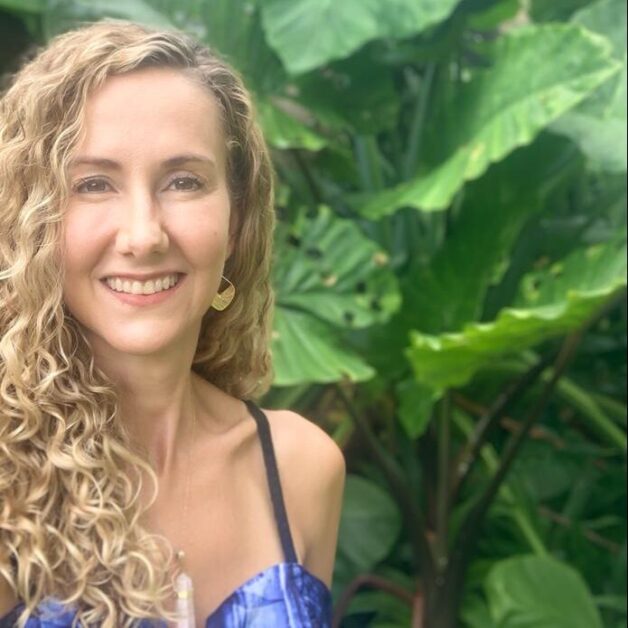
Big thanks to Amy Minkley for joining us today. To learn more about Amy, visit FI Freedom Retreats.
Our Headline
- How AI-powered vibe coding is changing advisor tech (Financial Planning)
Doug’s Trivia
- Which precious metal posted the highest return in 2025?
Have a question for the show?
Want more than just the show notes? How about our newsletter with STACKS of related, deeper links?
- Check out The 201, our email that comes with every Monday and Wednesday episode, PLUS a list of more than 19 of the top money lessons Joe’s learned over his own life about money. From credit to cash reserves, and insurance to investing, we’ll tackle all of these. Head to StackingBenjamins.com/the201 to sign up (it’s free and we will never give away your email to others).
Other Mentions
- Retirement Plan Screening and Q&A (Live YouTube watch party on March 25, 2026, at 6pm EDT)
- stackingbenjamins.com/scorecard
Join Us Friday!
Tune in on Friday when we tackle the question what little changes can YOU make with your money that will yield BIG, lasting results? We’ve got ’em, and our contributors are sharing their best ideas.
Written by: Kevin Bailey
Miss our last show? Listen here: The One About 401k Loans (and How To Stay Away From Them) SB1816
Episode transcript
[00:00:00] Joe: I look out my window and I see my maner, Doug, four lazy deplorable, Doug
[00:00:13] Doug: live from Joe’s mom’s basement. It’s. The Stacking Benjamin Show.
[00:00:27] Doug: I’m Joe’s mom’s neighbor, Duggan. How’s the financial independence journey changing? Amy Minkley hosts the Financial Independence Freedom Retreat in B, and today she’s visiting mom’s basement for a wide ranging discussion on the state of PHI in our headline segment. How’s That Emergency Fund Today? We’ll nerd out with you about spiking the interest rate, keeping enough in there, but not too much and more.
[00:00:53] Doug: And of course, along with all that gold, I’ll share some of my gold plated trivia. And speaking of gold, here come two guys who are turning more silver than gold, if you know what I mean. Joe and O.
[00:01:13] Joe: Hey there, stackers. Welcome to Wednesday. Super happy that you’re here because Amanda, we have an action packed show for you. But in this crew, I think I was, ’cause I’ve been. Friends with both of you guys for a long time. I was, I think I was the first one to really get more silver. Doug, you, you’ve had little silver things in the side of your head for a long time, but now it’s, you’re going with this Well, you did well.
[00:01:35] Joe: What I mean, just, what are you doing? Silver highlights, like little, did you have those done by your hairdresser or was it, but now it’s like, you just naturally
[00:01:43] Doug: it’s very much. Is that where you were going? Like now it’s all,
[00:01:45] Joe: it’s a lot of silver. Look at og remember what a little, you know, boyish face he had back when we started,
[00:01:51] Doug: I actually had.
[00:01:52] Doug: Right in the front. That doesn’t exist anymore, but right in the front. Even in high school, I had a gray patch in high school, right in the, in the front.
[00:02:02] Joe: Welcome to Male Pattern baldness for the WIN podcast. Oh gee. How you doing, man?
[00:02:07] OG: Just waiting to get this thing started.
[00:02:09] Joe: I think this was the only profession, personal finance, financial advising, where I was like, how soon can I get gray hair?
[00:02:15] Joe: Like, how, how, how soon? And I was so happy to see it. And, and the goal, you
[00:02:19] Doug: don’t think doctors think the same thing?
[00:02:21] Joe: Maybe yes, but I’m just saying this is that type of field where I’m like, oh, thank goodness I’m getting glasses. This’ll be great. Yeah.
[00:02:29] Doug: If I can’t earn respect the real way, I’ll get it through visuals.
[00:02:33] Joe: I’m gonna at least look the part. Yes. Well, a woman who doesn’t need to focus on looking the part because she certainly is the part of financial independence. She retired. At an early age, but, uh, Amy Minkley too busy to sit around and we’ve always talked about that’s not what retirement’s about. Anyway, she now runs the Five Freedom Retreat, financial Independence Freedom Retreat.
[00:02:56] Joe: I was lucky enough to keynote the first one. It’s in Bali where she lives. She was visiting the United States just recently, so I sat down with her here in mom’s basement and chatted with her about the state of financial planning and the state of the world of financial independence and how she looks at it differently now that she’s really been in the community.
[00:03:19] Joe: What’s the community focused on versus what was she focused on? We talk a lot about that wide ranging fun conversation. For anybody who looks at reaching financial independence is more of a community journey. So we got our interview with Amy Waiten in the Wings, but before that we got a couple sponsors who help us keep on keeping on.
[00:03:38] Joe: And then the amazing, incredible creator of the Five Freedom Retreat.
[00:03:46] Doug: Amy Minkley joins us right after this.
[00:03:57] Joe: We are super happy that she’s here and not in mom’s basement. We’re actually in the front room today. Amy Minkley joins us,
[00:04:03] Amy: so excited to be here. Thank you, Joe.
[00:04:05] Joe: I am super excited you came halfway around, around the world just to see us
[00:04:08] Amy: just for this interview right here.
[00:04:10] Joe: That’s a lie that I will believe any day, sister.
[00:04:13] Joe: I know it’s a lie, but I don’t care. I like it anyway. You are someone that I met at your first campfire. It was also my first campfire. So even though you had been following financial independence people, financial independence community, this was as new to you as it was to me. But we got there in different ways.
[00:04:33] Joe: Mm-hmm. I was dragged kicking and screaming when Steven Boyer that created these wonderful events told me, he’s like, we’re gonna go to a retreat center where you’re gonna have a roommate. I’m like, okay. Full stop. No. And then second, not only will you have a roommate, you’re gonna be sleeping on a bed where some teenager sleeps at some, you know, church camp retreat.
[00:04:57] Joe: Right. And it’s gonna be like a quarter inch thick mattress. I’m like, I am way too old and bougie for this stuff, but I had a wonderful time. How did you get to your first community event?
[00:05:07] Amy: Well, I found the PHI movement when I was living in Bangkok, and I was hearing about all the PHI events and I think it, it was in the midst of the pandemic, so I was already feeling a little isolated.
[00:05:17] Joe: Sure.
[00:05:18] Amy: Working online.
[00:05:18] Joe: Yeah,
[00:05:19] Amy: really nervous, wanting to quit my job and really nervous about my numbers. And hearing about Campfire and Economy on all these podcasts and thinking I wanna go. Um, but we’re in the middle of a lockdown and I bought a ticket to Campfire and then I had to cancel it. And then finally when I got there, after quitting my job in October of 2021, I was so excited.
[00:05:37] Amy: And then meeting the community confirmed just how I felt about this movement and it really spurred me on in my journey. I was so inspired that I attended five more events that year. So, um, it was. You know,
[00:05:52] Joe: six in your first year.
[00:05:53] Amy: Yeah. Yes.
[00:05:53] Joe: Might be a problem.
[00:05:54] Amy: Yeah. Maybe. I’m
[00:05:55] Joe: just saying
[00:05:56] Amy: a little bit of an addiction, but you know,
[00:05:57] Joe: slightly addicted.
[00:05:58] Amy: There’s worse things to be addicted to,
[00:05:59] Joe: but No, a hundred percent. And I want to talk about that a little bit because I do think that being around like-minded people, especially when it comes to this money community, which is so misunderstood by so many people, I think is wonderful. But you go to this first thing.
[00:06:17] Joe: What are you expecting? What are you solving for? Like in your head, what is Amy thinking that she needs, that she doesn’t get, that she’s gonna plug in by being around this group of people.
[00:06:28] Amy: I had deep dived on all the podcasts, audio, books, books, everything, blogs. I felt like getting around people who had, who were on the fire journey or R dfi would give me just some personal anecdotal.
[00:06:43] Amy: Hope for my own journey, and then also someone to actually look at my numbers and you know, I know I can hire someone to look at my numbers, but I feel like having conversations there with people yeah. And hearing what they’re talking about would inspire me on my own journey, and it certainly did.
[00:06:57] Joe: What was your gut feeling?
[00:06:58] Joe: Was your gut feeling that your numbers were good or your numbers were bad, or didn’t you have one?
[00:07:02] Amy: I felt like I was, I was a little bit like I was kind of on the edge. I retired with a little bit less than my number anticipating that I could. Find some way to earn some money. And I, I ended up meeting someone at that PHI event where I was, I started teaching online doing executive function coaching for kids with A DHD.
[00:07:23] Amy: Wow. Um, so I got a job at that first event.
[00:07:25] Joe: Wow.
[00:07:25] Amy: And, and then I was also inspired to like, while I wanna do something like this and create this on the side of the world that I live on, and give people an opportunity to travel to Bali and maybe, you know, people who live on that side of the world to come to an event without having to fly to the us.
[00:07:39] Amy: A lot came out of that event. I quit, you know, because I was burned out and also because my dad had had a stroke. And I really realized, like I don’t wanna be tied to the school schedule anymore. I was an international school teacher. Mm-hmm. You know, living on the opposite side of the world. My numbers were a little on the lean side, but sitting down with, there was one woman at the event who sat down with me on the Sunday night and made me feel a lot more sure about my numbers.
[00:08:06] Amy: You know, if I could find a way to even bring in $10,000 a year, you know, what that looked like over time, compounded. Drawing down 10,000 less from my portfolio over a year. What a difference that can make, and that really reassured me. It’s not that hard to earn $10,000 a year. So yeah, I didn’t have a huge cushion when I quit.
[00:08:26] Joe: What you’re, what you’re solving for then, it sounds like to me, is not so much the money. Mm-hmm. You want to verify the money. Mm-hmm. You’re solving for time maybe then to be around your dad. Is that what you’re solving for? Mm-hmm.
[00:08:39] Amy: Yeah. And I’m so grateful.
[00:08:40] Joe: Yeah.
[00:08:40] Amy: Um, because if I wouldn’t have quit, you know, he, he passed in 2024, um, but if I wouldn’t have quit that year, you know, I, and I got like nine months.
[00:08:50] Amy: That year with my dad, I got to move him and spend a lot of time with him. Um, move him close to the rest of my family. I’m never in a wreck at that time. Yeah. I would’ve worked one more year.
[00:09:00] Joe: But that’s interesting because I often feel like a lot of people are solving to get away from something. Mm-hmm.
[00:09:06] Joe: You know, to get away from. In fact, uh, I was fielding, uh, calls on, uh, pull pants show, afford anything earlier today. And one of the questions was, I want to get outta teaching. Paul and I both answered, it’s not about getting outta teaching, it’s about what is the next adventure, right? What is the thing?
[00:09:22] Joe: Because until we know what that is, it’s very difficult to solve the money. If the money follows the thing, it’s great. If we try to just have enough money so that I can get the hell outta here, well then why? Why are you getting outta here? But you, it sounds like you had a pretty strong why. Mm-hmm. So you get to spend that time with your dad.
[00:09:39] Joe: You still then have this time freedom. What were you solving for after that?
[00:09:45] Amy: I mean, I was lit up by the idea of creating an event. Like how could I create the feeling that I left that first camp fight with for other people who maybe hadn’t had the opportunity to do that? And then also, how could I share, you know, I’d lived in Bali for several years before I took the job in Bangkok.
[00:09:59] Amy: Like how could I share my love of Bali and this place that I wanted to live as well. I was, you know, returning there, but then also having the flexibility to travel home and see my family.
[00:10:09] Joe: Where does this come from? Is this your teaching background? Is it that teaching people liked you up? It.
[00:10:15] Amy: Yeah. I love, I mean, I, I’m a very organized person and I love creating things and I, you know, lesson planning and creating learning experiences is my background and organizing events, and I used to live kids on trips to the Himalayas and do fun things like that.
[00:10:29] Amy: So yeah, it definitely comes from, I think, my natural skillset, my natural love of being around people. And then my love of the Alese culture, like how can I show people aside a Bali that they wouldn’t get to see if they were just a tourist there?
[00:10:41] Joe: It’s like you’re creating a, you know Austin, Texas is known for fusion.
[00:10:44] Joe: Mm-hmm. I feel like Amy Minkley ISS creating her own financial independence Fusion.
[00:10:49] Amy: Yeah, it is. ’cause it’s a combination of adventure, financial independence. A lot of the talk is really about purpose and community and giving back. You know about ibu, sorry. You know, this incredible woman that I have come and speak in my event who’s helped a thousand women escape domestic violence and poverty.
[00:11:08] Amy: But like, that’s one thing I’m really passionate about is like, how can I give back to Bali and give back to this woman that I have so much respect for? You know, I really hope that people walk away from my event with a more clear idea of like their life and their purpose, and how can they give back and have adventure and live their best life with community.
[00:11:26] Joe: One thing I learned from you very clearly at the retreat that first year was since you and I first met, I’ve been on this quest to find out what makes a better retirement, right? And I’ve been doing all of this research and a lot of my talks now. And this idea of your community and your backyard, and this idea of giving back, but it truly helps you.
[00:11:50] Joe: And the thing that I really took home from that, even though you want me to be in love with Bolonese culture. What I got from that was how important it was to you. Mm-hmm. And how important it should be for me to be in love with my local culture here in my backyard, in Texarkana. Yeah. And I am so much more involved in Texarkana than I was before I went to the Five Freedom Retreat.
[00:12:15] Joe: And I gotta tell you, Amy, it was transformative. Mm. It was just, I, I feel so much happier, even though on paper, you know, if I were solving for Roth strategies, okay, that would be great. But solving for more happiness, I have incredibly more happiness now because I’m looking at what’s going on in my.
[00:12:36] Joe: Backyard. But you being a transplant in Bali, how do you, you know, plenty of expats mm-hmm. That never leave their backyard. Mm-hmm. And just hang out with European people in Bali. How did you get involved? I mean, it’s one thing for me to go to a rotary meeting and Texarkana, right? Right. With a bunch of people who look kinda like me and dress kinda like me.
[00:12:57] Joe: But to go to this culture, which is so foreign from the way that you were brought up, how did you begin to make those connections?
[00:13:04] Amy: I feel like the Bolonese people in general are so warm and welcoming. Bali does have quite a good number of expats, but because they’ve got such a rich culture, because they still live in tribal societies, they have a, a chief, they, they do ceremony 220 days a year, morning prayers and evening prayers and offerings, like they are very well connected to each other and they have a very strong.
[00:13:26] Amy: Sense of their culture and pride in their culture. And yet because, because they’re so connected to their culture, I believe it, it brings a generosity of spirit.
Okay.
[00:13:37] Amy: And a warmness to them.
[00:13:39] Joe: But how did you get connected to that
[00:13:40] Amy: warmth? How I got connected to them? Well, just, I mean, I think it’s just natural, honestly, like.
[00:13:46] Amy: I don’t know. I mean, ESE people, when my friends talk about ESE people as well, I would say that they have good ESE friends as well. Not everybody does that, you know, maybe some people just hang out with expats, but I think it, you know, of course it would be a huge missing for me if I wasn’t deeply connected to the culture.
[00:14:03] Amy: So I feel like just. By meeting, you know, landlords and then their friends and getting invited to the daughter’s fifth birthday, you know, or the five months when their feet first touched the ground for, you know, they’re carried around until five months old. You know, all the special, they have a teeth filing ceremony.
[00:14:18] Amy: They have all these interesting ceremonies. As you get to know them, you get invited to these cultural celebrations.
[00:14:23] Joe: But were you, did you just go out and meet your neighbors? Were you at community events?
[00:14:27] Amy: Mostly through landlords. Okay. Like, you know, getting to know the families and they become my family and they are my family.
[00:14:34] Amy: Like I definitely have a bolognese people.
[00:14:35] Joe: Your landlord being a bolognese person.
[00:14:37] Amy: Yes,
[00:14:38] Joe: yes. And then you get to know them.
[00:14:39] Amy: Yeah. And they are my family.
[00:14:41] Joe: Yes.
[00:14:41] Amy: Yeah. And I know all the extended family. And
[00:14:43] Joe: that’s so wild because I, I mean that idea of renting to somebody and being their family is way different.
[00:14:48] Joe: I mean, like, you know, the rule of thumb back when we were doing a real estate podcast was do not get close to your tenant.
[00:14:53] Amy: Right.
[00:14:54] Joe: Because if you get close to your tenant. Then you’re gonna believe every SOB story and you’re never gonna make any money.
[00:14:59] Amy: Right. Most of my friends who I think of, it’s people that I’ve rented from in the past, or my current landlords.
[00:15:04] Amy: I mean, we signed a 25 year lease. So we’re, we’re there for good. But then Buari particularly that I was telling you about was who’s helped a thousand women escape domestic violence and poverty. She is a friend of a friend, so, uh, an American friend who introduced me to her just because of the incredible work she’s doing.
[00:15:21] Amy: I was looking to get involved in Bali and how could I give back, and my friend introduced me to her.
[00:15:28] Joe: I get excited about that. I get so excited about helping, well, when I was there and heard about her mission and just how important it is, but I was equally as excited about the fact that plugging into your backyard and doing this quote, giving back thing and what.
[00:15:44] Joe: Strength that gives you as an individual, and that sounds kind of takey, but you can’t go into it like what’s in it for me? But what’s amazing is a byproduct of it was there was way more in it for me than I thought that there ever would be. There was way, way, way more in it for me. Do you feel like enough people are solving for that, that they’re solving for that brand of happiness, this giver mentality of happiness?
[00:16:08] Amy: I think the fine movement’s, talking about it more. Like Ryan Brennan, who was at that first retreat in 2023 in Bali, and he, you know, he started the Fire Service Corps. We had a breakout session, which was, which was the most popular breakout session, which was generosity and giving back. And you know, we had a whole session on that.
[00:16:25] Amy: We, eby, sorry, spoke with us about what she was doing in Bali and then he took that and ran with that. He’s coming back to Bali this year and leading a fi, a Service Corps volunteer opportunity in Bali. They’re building houses, they’re doing things all over the US and you know, I have seen people, like, I’m thinking about Tanya who was there our first year.
[00:16:42] Amy: You interview you Sure. Stacking Benjamins. Yes. You know, she’s really gotten involved in the food banks. I do see it anecdotally when I think about my friends, um, who’ve come to the event, like giving back and getting involved in their, their local community. Yeah.
[00:16:56] Joe: You don’t talk about something that is, I feel like we’re a little bit obsessive compulsive about in the financial independence community, which is optimization.
[00:17:05] Joe: Mm-hmm. Right. I’m gonna optimize my travel points. I’m gonna optimize my tech strategy. I’m gonna optimize my. You don’t really emphasize any of that at the five Freedom Retreat? How come?
[00:17:16] Amy: Well, partly because we’ve got people from all over the world, or I should like the last event about eight countries and so we wouldn’t go into tax savings optimization or Roth conversion.
[00:17:27] Amy: Roth what? Yeah, exactly. You know, people can do that in the breakout topics at lunches and dinners. Um, you can choose whatever topic you want to and put a placard on a table and have those conversations, and you can do it also in the. Official breakout sessions and because the retreat’s longer, there’s plenty of ample time hanging out by the pool or you know, on the bus going to the water temple blessing or any of those things to have those conversations, because we have a lot of calls beforehand too.
[00:17:51] Amy: So you really start to think about, if you wanna just talk about tax optimization, who do you wanna have that conversation with so people can have those individual conversations at the retreat. But that’s never gonna be the main stage speakers topics because it wouldn’t be relevant to the whole audience.
[00:18:06] Amy: Um, we are talking about like optimizing our life and optimizing for happiness and how do we live our best post fi life, those kind of things, but not the, the heavy nuts and bolts strategies for, you know, money.
[00:18:19] Joe: Let’s talk even before people are financially independent. Trying to find people that are motivated to have these big savings rates of 30% that maybe will forego an expensive dinner out for more dinners at home that they value, but are much less expensive.
[00:18:38] Joe: They start making these value-based decisions. We don’t see that a lot around us. Right? There’s this little bit of loneliness on this path. Mm-hmm. I also feel like when you’re going to these events, it’s like you’re almost recharging the battery. You know? How many financial independence events have you been to?
[00:18:56] Amy: I think 23.
[00:18:57] Joe: It’s like a drug,
[00:18:58] Amy: not, not like, I’m not like I’m counting or anything,
[00:19:01] Joe: but there’s gotta be a little bit of recharge the battery. ’cause I do feel like there is this, also, this theme. Well, there’s a broader theme in life, Amy, I think for all of us, is there’s a little bit of loneliness with life and finding that group of people that are headed the same way is super important.
[00:19:14] Amy: Yeah. For me, it was scary to walk away from my job, lose my social network, lose my identity, and then to be able to connect back in with a community of people who have time freedom and financial freedom. Like, like, oh, let’s go travel. Let’s meet in Australia. Let’s go to Europe together. You know, after the retreat, like I see that a lot.
[00:19:32] Amy: People ask me, my mom ask me. Particularly like, why do you keep going back to the, you’ve been to 23. What else can you learn?
[00:19:38] Joe: I think you probably got it down now, Amy.
[00:19:39] Amy: Yeah, exactly. But I’m not going for, I, I always do learn something new that I didn’t know, and I always do walk away inspired, but mostly I’m going to deepen friendships with people that I already.
[00:19:51] Amy: You know, have long friendships with, and some of my best friends in my life that I’ve just met since I started going to these events. And also to meet new and inspiring people. So I get a lot out of the events.
[00:20:04] Joe: But is there a lesson here also about the way that you spend time with people? Because I think also part of the magic isn’t just the shared values.
[00:20:12] Joe: I think there’s a lot more people out there that have our shared values, but we don’t know it because social media pulls us apart. Mm-hmm. The press pulls us apart. Everybody’s pulling us apart because of a financial agenda. Right. It’s better for the algorithm if we yell at each other. Is part of the magic, just spending extended periods of time with these people who, in real life, in a million years, you might not be friends with this person, but because you spent four days with them, 24 7.
[00:20:39] Joe: Like you give yourself a chance to know somebody who might not be like you.
[00:20:44] Amy: What I’ve learned and you know, just from traveling and living abroad for over two decades now, people are really wonderful. You know, like it’s easy to be confused when you or or disgruntled when I watch the news. But most people are incredibly wonderful and if I just listen to them big, listen to them, like what can they teach me?
[00:21:03] Amy: Like I am amazed by. People who sit on the other side of the political aisle for me and people who feel differently about me, differently about the world than me, like everybody has something to teach me, I feel. And so I do find that people who come on the retreat, like they are people that I would be friends with, even though they’re.
[00:21:22] Amy: You know, I think about Emma, you know, she’s so much younger than me, but she’s super wise and, and she’s been on a lot of a
[00:21:26] Joe: friend Emma from Kansas City.
[00:21:28] Amy: Yes.
[00:21:28] Joe: Hey, Emma
[00:21:29] Amy: Van Wise. Um, you know, but I met her when I, she was in her early twenties, you know, and I’ve got friends who are her several decades older than me, so.
[00:21:36] Joe: Right. She’s an old, wise soul though. She is. Emma, you’re an old, wise soul.
[00:21:39] Amy: She is. In that sense, it’s like, I’ve got friends. In all age brackets from different parts of the world because of the PHI community. And so I wouldn’t have necessarily met them, but I really genuinely like them. And there are a lot of common values.
[00:21:54] Joe: Yeah, it is wild. But we can find those two or three things that are our common values. Then those places where we’re different. Mm-hmm. Get us to stop yelling at each other and start, it’s funny, somebody on the show once said, it changes everything where instead of going, Amy, why the hell do you believe that?
[00:22:09] Joe: Turn that into a question. Go. Why do you believe that? Mm. And all of a sudden, then you give them an opportunity to explain, and then you realize that this person isn’t nearly as from the moon as you as you thought that they were because you gave them an opportunity. I wanna touch on, on teaching because I feel like when you first started the five for Your Freedom Retreat, like uh, a lot of the big voices were saying some things in the zeitgeist and those have kind of moved over time.
[00:22:36] Joe: And one thing I’ve seen lately a lot has been this idea of downplaying. One of the things that used to be kind of a tenant, a tenant used to be get out and get time freedom as fast as you can. Now it feels like it’s much more if you are just running away from a job and you’re looking at that minimum, that safe withdrawal rate very closely, and the second that you hit it, you decide, I’m done.
[00:23:09] Joe: I’m checking out, and now I’m financially independent. Now I’m seeing that that might be a mistake. And that’s because the stock market might change. Mm-hmm. That’s because health insurance cost we just saw go up. We also have had a big lesson on inflation in the last few years. Right? Yep. So many things can change that if you check out and you barely are making it like you could be in trouble.
[00:23:34] Joe: And I feel like on the, on the scientific end, and believe it or not, everybody, I’m getting to the question on the scientific end. Well, that makes sense. Okay. We’ve got all this new data that we didn’t have. But I also kind of feel like we’re solving for something a little different now. It feels to me, Amy, like when we first started out, it was like, how quickly can we check out?
[00:23:52] Joe: It doesn’t seem like that’s what we’re solving for anymore as much. Would you agree?
[00:23:55] Amy: I agree. Yeah. I feel like we’re solving for like enjoying the journey, finding happiness along the way. Enjoying the moment. Much less than like I’ll be happy when I’ll be happy if, you know, once I hit my FI number, then it’s all gonna be unicorns and rainbows.
[00:24:08] Amy: Yeah. And we know that’s not true ’cause we’ve seen so many people speak openly about what is, you know, like the real existential crisis that can happen sometimes. And if we’ve taken time to like maybe downgrade and go to part-time work and you know, find ways to de-stress our lives and enjoy the journey to phi.
[00:24:27] Amy: And then when we quit our jobs, we can also continue to work somewhat, you know? Yeah. Some hours if we like, you know, is a much more balanced approach and I think leads to ultimate happy, like more long-term happiness.
[00:24:38] Joe: Well, and that is a question, right? People that don’t understand, like a creator journey or a creator mindset.
[00:24:43] Joe: Are asking right now. Okay. You already said you’re financially independent. You already said that you got outta your your job. Why the hell put as much time into creating this thing since you’re already financially independent? ‘
[00:24:56] Amy: cause it brings me so much joy. I love having people come to Bali. I love showing off the culture.
[00:25:01] Amy: I love taking people on adventures. I love showing them a SI that they wouldn’t be able to see otherwise if they just came as a tourist.
[00:25:08] Joe: You like watching me cry at the end
[00:25:09] Amy: ex? Exactly. That was the best. That was the best. Like if
[00:25:12] Joe: that’s a else.
[00:25:13] Amy: Yeah.
[00:25:14] Joe: Mission accomplished. Yes.
[00:25:15] Amy: Yeah. Yeah. So I mean. I would be bored, honestly.
[00:25:20] Amy: You know, and I have a really great life. I mean, I exercise every day and I’ve got incredible friends of expats and ese people around me that have a lot of free time too. Not so much ese ’cause they have a lot of ceremonies, but my, my expat friends have their, they’re busy with
[00:25:33] Joe: their
[00:25:33] Amy: ceremonies, they’re busy with their ceremonies and their, and their kids and their family and their village and yeah.
[00:25:37] Amy: But yeah, I’ve got an incredible community around me. But still, you know, if I’m just exercising every day and, you know, doing all the classes and things that I love to do in Bali. I still, I, I need something that excites me. I need to create something. I need to feel like I’m giving back, and the, the feedback I’ve gotten has been phenomenal.
[00:25:53] Amy: And then, you know, giving back to Iusa, you know, this wonderful woman in the charity that the PHI community has. I don’t know if you know like how much money we’ve raised in the last two years.
[00:26:03] Joe: It’s exciting.
[00:26:03] Amy: Yeah. $57,000.
[00:26:06] Joe: Yeah,
[00:26:06] Amy: that’s phenomenal. For her to, instead of paying rent for all those safe houses she had before, she’s able to buy land and build.
[00:26:14] Amy: What a gift, you know, that’s gonna affect generations upon generations of ese kids and, and women. So like, you know, it moves me like this. This community is so generous. They volunteer only, not only in their neighborhood, but also to give to like a charity like this halfway across the world.
[00:26:31] Joe: Yeah. Yeah, this can change somebody’s life that you will never meet.
[00:26:34] Amy: Yes. And then it’s cool that people will come, like sometimes we’ve had repeat people come back and they see, you know, they’re gonna get to see what this, this incredible place that was built, uh, for all these women and children. So it’s good to be able to, I feel a sense of purpose
[00:26:50] Joe: more than you did when you first started.
[00:26:52] Amy: Definitely. Yeah.
[00:26:54] Joe: Yeah. That’s interesting how getting your feet moving, I feel. And all the studies show this, if you’re not sure what your purpose is, just start moving. Mm-hmm. And the more you move, the more you find it. You know, I have people that push back to me and I think it’s because purpose freaks them out.
[00:27:06] Joe: Mm-hmm. When they hear our mutual friend, doc g talk about purpose or when I echo that or you echo that and people write me so angry, Amy. Like, you don’t need purpose to retire. You, you, you do not need it. All the evidence suggests that you do, but it shouldn’t freak you out.
[00:27:21] Amy: Right. It doesn’t have to be big.
[00:27:23] Amy: Yeah. Right. It can just be, you know, how do you make people feel? How do you get back in small ways?
[00:27:27] Joe: What’s it, Jordan? Duck G says, uh, a little p purpose.
[00:27:30] Amy: A little P purpose. Right. And that, that makes such a difference too. Right. And you don’t have to know it. Right. You just try things. Throw spaghetti at the wall.
[00:27:37] Amy: I think Dr. G talks about that as one of the methods. It’s like, think about what you loved as a child. Try some different things. See what, what sticks. You know,
[00:27:45] Joe: I just think about the three factors that go into an unhappy retirement, which is lack of community, loneliness, and lack of purpose. How much just attending an event like yours can hit all three of those.
[00:28:00] Amy: Yeah,
[00:28:00] Joe: can change all three of those buckets and can truly be transformative. So here’s to you Amy Minkley. Thank you. Thank you so much for coming out here specifically just to see me
[00:28:10] Amy: all the way from B
[00:28:12] Joe: and I know it’s a lie and I’ll believe it anyway. Cheers.
[00:28:15] Amy: Cheers.
[00:28:17] bumper: I am Andy Dwyer, and when I’m not pulling suckers off my tomato plants in my garden, I’m Stacking Benjamin’s.
[00:28:28] Doug: Hey there, stackers. I’m Joe’s mom’s neighbor, Doug, and what a precious conversation Matt was with Amy. We’re such fans of Amy’s work, it’s sparkles. You could say that interview was gold. But here’s a question with gold doing well in 2025, what you might not know is most precious metals were a little more precious than they’ve been in recent memory.
[00:28:50] Doug: So here’s today’s question, which precious metal was most precious and had the top return? I’ll be back right after I go ask Joe’s mom. If cubic zirconium has now gone up in value, my collection could make me a bajillionaire like overnight.
[00:29:18] Doug: Hey there, stackers. I’m your most precious podcast announcer guy and a man who can easily be described as podcast Gold right here. Joe’s mom’s neighbor, Doug. Today, with such a precious interview with Amy Minkley, we thought we’d shine a light on precious metals, which had a moment last year. But here was the question, which precious metal chaching the cash register the most?
[00:29:41] Doug: If you said gold, well that’d be fool’s gold because the winning answer is silver. Silver often called the devil’s medal because of its volatility, was up over 150% by December of 2025. And now back to two guys who are the platinum veneer of this podcast, Joe and og.
[00:30:02] Joe: It was an amazing interview with Amy.
[00:30:04] Joe: Thank you so much to Amy Minkley for, uh, dropping by while she was in the United States. It was so nice to see her again and to get her take. What’s funny, OG that strikes me is talking to Amy just over the years, not just of us doing the podcast, but your time spent with clients, the amount of change thats in your life because of.
[00:30:26] Joe: I guess the thoughtful interactions about what financial independence means and what it doesn’t mean, and I don’t know about you, but clearly for me, there’s this melding of. Saving for tomorrow, which I think people think that’s what financial planning is and doing it more efficiently, which we talk about a lot on the show, but also doing the stuff today like tomorrow is just not assured.
[00:30:51] Joe: So, man, I gotta, I gotta do this stuff now. That’s what’s really changed for me during this journey. What would you say is different for you from the time, between the time you became a financial planner and today?
[00:31:04] OG: I would say something very similar in the sense that over the last 25 years, planning has really been pushed to the forefront, right?
[00:31:13] OG: Some commoditization of products and costs and you know, that sort of stuff has made that part of the business. That’s the easy stuff. And now most of the focus is on planning, but I think, I think it’s even more than just the old school retirement planning and more just lifetime planning. The number of people that we work with now that are, you know, taking sabbaticals or an early retirement knowing full well, hey, I’m just, I’m just retiring from this job and I’m going to go back to work in a period of time and, and are doing so openly knowing I have to still stay on top of my skillset.
[00:31:52] OG: I can’t sail away for five years and come back and go, I used to be in computers so I can be in computers again. Right. And it’s like. Well, you know, five years is a long time in tech, right? Or whatever. So I think the number of people that are consciously doing that has expanded quite a bit. I say this very famously, like, I’m planning on living to be 140 so that my, I can see my kids turn a hundred.
[00:32:14] OG: And the benefit of that is I don’t have to save any money right now because I can start retirement savings like in a really long time. ’cause I still have like a hundred years.
[00:32:21] Joe: Procrastination becomes a real thing. Like a benefit.
[00:32:24] OG: Yeah, it’s, you know, there’s a little bit, it’s a little tongue in cheek ’cause I am doing some retirement savings, but when you look at your life as, let’s say, from adulthood to ending as a continuum.
[00:32:35] OG: And a nonstop evolution of stuff that you’re doing. There’s periods of time where you’re making money and saving money, and there’s periods of time where you’re spending money and consuming it, but it’s not like a break where it’s like, okay, I am now done earning money and now I’m just doing this. I would say the number of people that are in the community that we have interacted with over these 1800 some odd hours of time that we’ve been doing this, it’s like.
[00:33:04] OG: The people who have said, okay, I’m done earning money from this and now I earn some money from this and I do something like this and this occasionally, you know, I earn some money from this. I don’t earn any money from, this is a consumption area of my life. You know, it’s just, it’s more of a lifetime plan as opposed to a retirement plan of I’m gonna accumulate.
[00:33:25] OG: Done move on the second section of my life. That’s probably the biggest change over the last, uh, quarter century or so.
[00:33:32] Joe: That’s been the change you’ve seen. Professionally. But what about for you personally? This changed. I think financial planning led me more to lifestyle planning in general. Not taking it for granted that my day was gonna work the way that I wanted to.
[00:33:45] Joe: Like thinking more about what my priorities were with my time and the melding the money around that prioritization of what I valued. Like that’s way different than when I was in my twenties and I was just thinking about those as two totally different things that didn’t, would never touch.
[00:34:02] OG: I think personally in the financial planning space, I don’t spend a lot of time thinking about retirement.
[00:34:11] OG: I don’t spend a lot of time focusing on that. I really solve around our personal life around. Personal benefit, personal outcome, you know what I mean?
[00:34:22] Joe: Personal life satisfaction.
[00:34:24] OG: Yeah. Maybe that’s a good way of putting it. Like what can I do that I just want to, like I would do anyway, but I can do in a better way or something that provides a better experience for the people around me.
[00:34:38] OG: Or how can I make this experience better? For me, overall time is probably a big focus, like how much time I spend doing different things. There’s some stuff that I can’t control, like for example, right now I’m doing this bicycle training for this event that I’m doing in July, and there’s no way to speed that up.
[00:35:01] OG: There is no substitute for just sitting there and pedaling your bike for hours on end. I’ve tried to AI this figure out like, what’s the hack? How can I hack my way to this? It’s like the hack is, you just do more of it. That’s the hack. So that’s forcing me to reprioritize other stuff, you know what I mean?
[00:35:21] OG: Because there’s like now this big block in my calendar that is a huge amount of time that I have to spend. It’s immovable. It’s a big rock. And so like what are the other things around it that I can fill in? So I think a lot more in seasons around that stuff. Like that’s this busy season for that. But when that race is over in July, like I’ll, I’m sure I’ll still cycle, but I’ll probably not do 15 hours a week of it anymore and like it will just, then it will be my other season of activity that I do.
[00:35:52] OG: I think the priority for me is really around life optimization. And less a focus on are we maxing out whatever, you know, whatever. A hundred percent. To me it’s about maxing out life, I think is probably a better way to say
[00:36:05] Joe: that. Yeah. Which leads you to max out the Roth or max out the whatever you, you don’t do it to max it out ’cause that’s what you heard or that’s the good money move you do it.
[00:36:14] Joe: As a result of the lifestyle design. It’s so funny because I remember early in my career as a financial planner, just when people would talk lifestyle design, I’d be like, yeah, uh, let’s get the fun stuff managing the money. And now I’m like, the lifestyle design truly is the fun stuff. And I think when Benjamin Brand was on earlier, and I’ve shown this clip, you know, when I go speaking around the country, it just is so true what you’re saying that.
[00:36:39] Joe: Why wait for the future to do these things? You know, why am I waiting for this unicorns and rainbows to happen in the far distance when I should be working on this now? So. Interesting discussion. By the way, we’re gonna be talking about, speaking of retirement planning next Wednesday night. There’s actually a movie that’s up for an Academy Award about retirement planning.
[00:37:01] Joe: It’s called Retirement Plan. I believe that it’s been put out by the people behind the New Yorker. It’s a seven minute film. We’re gonna do a screening on YouTube of the full seven minutes with our friends Tom and Don from retirement. They put on the retirement conference. They are the two guys around a show we love called Talking Real Money.
[00:37:23] Joe: These guys are gonna join us as our special guest for a special YouTube screening. How often does a show about retirement planning actually make it to the Academy Award? So we gotta celebrate that moment, but we’re gonna dive into We Retirement Plan. It’s March 25th, 8:00 PM Eastern, 5:00 PM Pacific. That way we can get everybody.
[00:37:44] Joe: Across the nation, across the United States, in on this as many people as possible, details at stack your Benjamins dot com slash movie. So, uh, join us for that. All right, let’s, let’s do our headline.
[00:37:57] headlines: Hello Darlings. And now it’s time for your favorite part of the show, our Stacking Benjamins headlines.
[00:38:03] Joe: We’re just gonna spend a few minutes on our headline today because it’s a continuation of what we talked about on Monday. Og. Monday we were talking about more people taking hardship, withdrawals, more people borrowing from their 4 0 1 ks. We talked about the dangers of that on Monday, but we also talked about setting up trip wires and some important, uh, I guess strategies you can use, tactics you can use to make sure that if life starts going the wrong way, you can get there soon enough that you don’t have to raid the 401k.
[00:38:35] Joe: But let’s talk about the emergency fund now. They say they, they the big, they say that you need between three and six months. It’s
[00:38:43] OG: the royal they, by the way,
[00:38:45] Joe: some people, which Douglas say is him.
[00:38:47] Doug: I was gonna say, let’s just cut. I mean, it’s me
[00:38:50] Joe: and some people even say longer than six months. But there’s a big difference between a three month emergency fund, six month emergency.
[00:38:57] Joe: How do we determine the right amount to have for us? When you’re sitting down with a client, what are the things people need to think about to get the right amount in that emergency fund for them?
[00:39:05] OG: Well, I think the first thing that you wanna do is figure out exactly what your obligations are on a monthly basis.
[00:39:11] OG: The biggest thing is to be judicious around what are the things that are non-negotiable. Like for example, you have to pay your mortgage payment, you have to pay your car payment, you have to have food on the table and your electric bill, and so on and so forth. So once you know what that number is, then you can start saying, okay, now where would I take that money from if I needed it in the next month?
[00:39:33] OG: Most of us would say, oh, well I’ll just earn it. I get paid $10,000 a month and my monthly expenses are eight, so therefore I’m good. Like as long as that 10 is coming in, the eight can go out as you’re trying to evaluate. Should I have three months or six months, or 12 months or two years worth as you get closer probably toward retirement, I think you have to be honest with yourself around what’s the worst that can happen if you’re an entrepreneur and your job is.
[00:40:01] OG: Your life and everything’s fairly stable. I think there’s a reasonable case for having a smaller cash reserve if you don’t owe anybody a lot of money and your monthly expenses are food and property taxes ’cause your house is all paid off and you don’t have any debt. There’s a case for a smaller emergency fund there, and depending on the asset level that you have in other areas too, I mean there’s, I’ve seen people that say, well, I don’t need to have three months of cash reserve.
[00:40:26] OG: I, or, uh, six months I can have three because every quarter I get enough dividends from my brokerage account that I could just flip that onto cash and that would be three months worth of emergency funds right there. Like I have enough brokerage account assets that produce enough cash flow to to, to fund that without making withdrawals.
[00:40:45] OG: So it largely depends on how stable your income is. What the worst case scenario is about your income,
[00:40:50] Joe: like how easy it would be to get another job, you’re saying,
[00:40:53] OG: and yeah, that, or you know, the state of the economy, all that sort of stuff, I think is fair to judge. And then really your relationship with all the other resources in your life.
[00:41:03] OG: You know, if you say, well, I’m good. I’ve got a half a million dollar line of credit on the house and 2 million in my 401k, it’s like, well, okay, that’s not really an emergency fund. I mean, that’s a, that’s an okay fallback plan if it all goes really haywire in a hurry. But I wouldn’t want to use any of those things as emergency money for your very risky jobless security, you know, job security list.
[00:41:28] OG: Maybe that’s where I put the less is after the security that would cause me to have a little bit more equally detrimental, by the way, is having too much cash reserve. There’s plenty of people out there who have the skies falling all the time type of mentality and say, well no, you don’t understand. In 27 years we might take the kids to Disney, so I should probably have that money set aside.
[00:41:46] OG: And it’s like, okay. That’s just lining up the goal with the wrong bucket. You should definitely account for that if that’s in your plan, but you need to make sure that the goal and the timeframe is lined up correctly with the right bucket of money. So I would generally say for the vast majority of people, six months is probably on the very
[00:42:07] Joe: long,
[00:42:08] OG: low, low end.
[00:42:09] OG: Low,
[00:42:10] Joe: low end.
[00:42:11] OG: I think most people would benefit by having a year if you’re ticking down towards 6, 5, 4, 3 months. Three months is not a long time.
[00:42:20] Joe: It is not a long
[00:42:21] OG: time. It is, it is. Especially in the, the way the economy is and job search and stuff like that. I think,
[00:42:27] Doug: well that, I mean that’s general. It’s the job search part.
[00:42:31] Doug: It’s how and which is so variable for so many different professions. A hundred percent
[00:42:34] OG: It is.
[00:42:34] Joe: Look at how much more variable it is now than two years ago.
[00:42:37] Doug: Right. It’s How long do you think? On the conservative side, do you think it’s gonna take you to find new employment or whether it’s in your field or not to, to replace that income?
[00:42:48] Doug: Yeah, and there’s all kinds of levels of that, right? I mean, you might have to end up going to get a, a part-time job or something out of your field, but that is more readily had from an income, which reduces your burn rate. Reduce on your, on however much your, your emergency fund is. I just, I’m a little bit.
[00:43:05] Doug: Apprehensive. Maybe this is my own personal fears coming out, og, but when you say, yeah, a year is right, I mean that makes a lot of people choke because how the heck am I gonna come up with a year’s worth of expenses that’s gonna take me 10 years? Yeah. 15 years to get a year’s worth of expenses into an account and then never touch it.
[00:43:23] OG: Yeah.
[00:43:24] Doug: Well, it seems okay. How do we make people feel better about getting started on that? ’cause it seems like unobtainium,
[00:43:30] Joe: well, before we get to that, there’s a mistake people make that I’ve found in the past. They look at the amount of money they make top line, and they think about expenses. They don’t get into what are the drop dead expenses that I have?
[00:43:44] Joe: Not, what am I making? What am I having fun with? Like the whole barrel. It’s actually a much smaller. Amount of money. I think that a lot of people think that it is, when they first think about, it’s like, oh my God, I, there’s no way. Well, number one, it’s easy. It’s still ain’t easy. But back to Doug’s question, og, how do you think about that in relation to saving toward your other goals?
[00:44:04] Joe: Do you do that first or do you do it concurrently with all of your other saving that you’re doing?
[00:44:10] OG: I mean, I would have it be concurrent with all the other saving. You have to take advantage of the free money in your 401k and the tax deferral benefits of HSAs and Roths and that sort of thing. But you can’t do that at the expense of not having money available to you today, you know?
[00:44:25] OG: So yeah, if you’re 20 years old, 25 years old, and you’re just getting started, this is gonna take you 10 years to do, probably like you said, Doug. That’s okay. There’s no, it’s gonna take you 40 years to save for retirement. Like this is a bargain In the grand scheme of things, the problem is, is that some of the stuff that you said, Doug, I think propagates, is that the word word?
[00:44:48] OG: I wanna use
[00:44:49] Joe: it. Propagates,
[00:44:50] OG: propagate.
[00:44:51] Doug: I don’t know. You gotta finish the rest of the sentence before I know. If that’s,
[00:44:53] OG: no, you should tell me if it’s the word I want to use.
[00:44:55] Doug: I dunno. Yet I think it’s not that’s, I think there’s a high likelihood, it’s not the word you want.
[00:45:00] OG: It continues to tell the story. The incorrect story, how’s that of like, this isn’t possible, so therefore I shouldn’t do it.
[00:45:09] OG: You know? And the problem is, is that if you look at emergency funds as a waste of time, or I’m losing out, you know, I mean, you just said it with a ton of emotion. Like, I’ve got all this money sitting in there, it’s not doing anything. It is doing stuff. It’s doing the thing that makes it so that you can do the rest of your retirement plan, the rest of your investment plan.
[00:45:28] OG: If you don’t have cash, if you don’t have stuff set aside in short-term buckets and all you have is long-term money, you run a substantial risk of having to take money out of your long-term bucket at the exact wrong time. Nobody gets laid off during the greatest bull market in American history. That doesn’t, that doesn’t exist.
[00:45:47] OG: It, it happens when the economy is in a giant sinkhole and everything that can go wrong is going wrong economically in your job, in your life, in your family, and then also you get laid off and your account’s down 35%. And you go, well, I didn’t have any cash because cash was stupid. Because, you know, Doug said it was on the podcast.
[00:46:08] Doug: We gotta, once again, OG is a bucket of sunshine.
[00:46:10] OG: Well, no, it’s having cash is the thing that allows you to invest money into your stock portfolio. If you don’t have that, you can’t do the other thing, because the risk associated with, with investing, why everybody thinks investing is risky is because you don’t align the timeframes with your goals correctly.
[00:46:28] OG: The people who get burned in investing get burned because they take money out of their portfolio when the market’s down. And the reason they took it out when the market was down was because they didn’t have the right buckets aligned with the right timeframe,
[00:46:39] Joe: meaning they thought it was today money when it really was.
[00:46:43] Joe: 10 years from now money,
[00:46:44] OG: or they didn’t have any today money and said, I don’t need any of this because I got a line of credit on the house and or I got credit cards so I don’t need to have any cash reserve. Yeah. I can only, I only need 10 year money. Right. And then the bank calls and goes, Hey, by the way, we’re not renewing that line because the economy is in tank and um, your house is worth 30% less than it was when we wrote it the first time.
[00:47:05] OG: Or your credit card company goes, Hey, we noticed that your balance has been increasing. You’ve always paid on time, which is great. We appreciate that, but you used to pay the full balance and now you pay the minimum payment. Something’s amiss. So our algos caught that and we reduced your line of credit from 20 to 10, and you go, but 10 is the current balance.
[00:47:25] OG: I was planning on using the other 10 because I’ve been out of a job for a, a month and I need to spend, they go, we don’t care. We’re not taking, we’re, we’re, yeah, we’re not your savior. We’re here for convenience purposes. We’re not taking the L because you didn’t plan correctly. So cash gives you the flexibility.
[00:47:42] OG: To go slowly with all that stuff.
[00:47:44] Joe: Yeah. There are so many points there that I wanna highlight. The first one. Good. When you were talking, I finally did
[00:47:48] OG: something. Right? Alright.
[00:47:50] Joe: You did a lot right there, brother. Uh, a few things. Number one is this idea of my line of credit on my house and using credit, we saw what happened or maybe people didn’t see what happened with credit in 2007 and 2008 where the bank went.
[00:48:04] Joe: Yeah. Uh, we’re not gonna. Keep that line of credit anymore. If you’re relying on a line of credit for your emergency fund, the bank will take that away. You don’t own that. You lease that property, they own that property and the ability to give you money just because you have it open today and it’s X amount of money today, we’ve already seen it proven historically that that’s not always the case.
[00:48:25] OG: I mean, look, I have told this story before and I will tell it till I’m blue in the face. We were the people that always had the credit card maxed out. Like we would make the payment and then it would go back up to Max and we’d make the payment and it would go back up to Max. Right. We did that repeatedly and when we went to move, I made a huge payment so that I would have a big open line so that I could charge the, the movers and you know, I had to stay in some hotels and all that sort of stuff.
[00:48:53] OG: And the. Like literally the day we made that payment, we got an email from Discover and they went, Hey, uh oh, we’ve updated your line of credit. And we, they updated it down half. ’cause I made half the, the credit limit was 15. I made a $7,000 payment. Our new credit limit they took was thousand away immediately.
[00:49:09] OG: There was no like five se like I called them and I was like, what? What the heck? I need this money. They’re like, yeah, well, you know.
[00:49:16] Joe: Yeah,
[00:49:16] OG: like there was no, so now I didn’t have the 7,000 bucks and I didn’t have the 7,000 line of credit, so now I was double hurt. Ugh. You know?
[00:49:24] Joe: But then when you have that money set aside, using that as your trip, your first trip wire, to see that expenses have changed and you go after that money.
[00:49:32] Joe: Versus your long-term money. That’s fantastic. ’cause it tells you, okay, the budget’s not working the way I want it to work. Something I, I need to go change something out in my strategy.
[00:49:43] OG: Yeah.
[00:49:43] Joe: To be able to do that with money that’s sitting on the sideline versus having to go to your long-term investments, I think is, is hugely important.
[00:49:51] Joe: The other thing I wanted to focus on there as well is what the real interest rate is. ’cause I think you highlighted this OG. The fact that you don’t have to touch that 10 year money means you can be more aggressive or as aggressive as you should have been in the first place with that 10 year money.
[00:50:09] Joe: And what do you see with people that say, I don’t need emergency fund? They hedge their bet on their long-term money ’cause they think they might need it and they don’t get the return that they could get if they had the buffer in place. So the, it’s not the crappy return you get at the bank that you return, it’s the fact that you could invest the money the way it should be.
[00:50:26] Joe: And then the second thing is. Look at what you can do with your deductibles on your insurances or your insurance in the first place. The Aflac Duck, that gives you the short-term disability coverage that you should have. If you don’t have an emergency fund, you don’t need the Aflac Duck anymore. You can rely on your emergency fund.
[00:50:44] Joe: That’s what the money’s for, or that long-term, you know, uh uh, the money on your homeowners or on your car insurance. You don’t need either of those. So, yeah. You can really jack up those lowers your insurance cost. It isn’t the crappy interest rate you’re getting just on that savings account. There’s another aspect of this that I think we need to get into and we’ll tackle this next week as we work our way through emergency funds.
[00:51:08] Joe: Like what? Uh, how do we get a higher interest rate? And I think there’s some work we can do there as well. Og.
[00:51:15] OG: A little bit, a few extra bucks.
[00:51:17] Joe: Alright. I think we already did, Doug, we already did the back porch. We talked about the movie screening. Yeah. So we’ve got the movie screening coming up next Wednesday.
[00:51:25] Joe: Stacking Benjamins dot com slash movie. Come on out and hang out with us and our friends, Tom and Don from Talking Real Money who just put on a wonderful conference, the Retire Meat Conference out in Seattle.
[00:51:38] Doug: The only guy in podcasting with a better voice than me,
[00:51:41] Joe: he’s got, I told him on his radio show while I was out there.
[00:51:45] Joe: I was lucky enough not to just be out there, but to also appear on his radio show with him. And I said, if I had your voice, I’d burn mine. I would just burn it. Yeah, it’s incredible. All right. That’s gonna do it for today. Thanks for hanging out with us. If you know somebody that needs the 4 1 1 on emergency funds, you got it between today and Monday show and also.
[00:52:05] Joe: If you know people that are interested in what’s this fire movement all about, the conversation with Amy Minkley is also one that I think is a great thing to pass on. Get that person fired up about this idea of financial independence. Good stuff. And maybe they’ll end up wanting to go to Bali with you, which should be cool too.
[00:52:20] Joe: Right? And I know we mentioned this last week, I know the reason why a lot of you are here is because you wanna be doing better with your money. You’re not sure which areas you’re doing well, in which areas you are not doing well in. OG and his team have created a scorecard, and if you have not completed the scorecard, you can get your grade by going to stacky Benjamins dot com slash scorecard
[00:52:42] OG: grade sounds so ominous.
[00:52:47] Joe: You, you, you earned every bit of that C minus, uh, not that type of a score, but especially this is around asset allocation. And moving your money correctly. We’ve talked for a long time on the show about just getting started. This is why we love the simple path to wealth Get started by shoveling money away.
[00:53:05] Joe: But if you’re not really sure about your asset allocation and you’re at that $500,000 mark or more, you need to get more scientific. That’s who the scorecard is for. Stack your Benjamins dot com slash scorecard and you can answer a few questions and get yours. All right. That’s gonna do it for today, Doug.
[00:53:24] Joe: You’ve got it from here, man. What should we have learned on today’s episode?
[00:53:28] Doug: Well, Joe first take some advice from Amy Minkley. Financial independence is as much about lifestyle design as it is about the money. Once you have your money in alignment, there’s still some work to do. Second, what’s the right amount for your emergency fund?
[00:53:43] Doug: Base that on your expenses, not your income and your ability to secure new work and think between six months and 12 months to begin your journey toward having the right amount. And don’t worry if you’re hoping for more on this topic. We’ll continue this discussion next Monday, but the big lesson. Don’t assume that just because one precious asset goes up that they all follow in lockstep.
[00:54:08] Doug: Turns out that cubic zirconium is probably more of like a 20, 27 thing than a 2025 thing. I’m gonna keep buying low baby. Thanks to Amy Minkley for joining us today. To find out more about her Fantastic five Freedom Retreats, head to five Freedom Retreats with an s.com. We’ll also include links in our show notes at Stacking Benjamins dot com.
[00:54:36] Doug: This show is the Property of SP podcast LLC, copyright 2026, and is created by Joe Saul-Sehy. You’ll find out about our awesome team at Stacking Benjamins dot com, along with the show notes and how you can find us on YouTube and all the usual social media spots. Come say hello and oh yeah, before I go, not only should you not take advice from these nerds, don’t take advice from people you don’t know.
[00:55:02] Doug: This show is for entertainment purposes only. Before making any financial decisions, speak with a real financial advisor. I’m Joe’s mom’s neighbor, Doug, and we’ll see you next time back here at the Stacking Benjamin Show.
[00:55:27] Doug: I’m Joe’s mom’s neighbor, Doug. And how’s the financial independence journey changing? Well, I’m emphasizing all kinds of words in that sentence. But here’s the question. Which precious metal cha-ching to the cash register the most? If you said gold, well, that’d be fool’s gold because the winning,
[00:55:47] Joe: you’re
[00:55:48] Doug: on the answer.
[00:55:49] Doug: I jumped right into the answer. Stop rushing me.
[00:55:53] Joe: Like, what the hell
[00:55:56] Doug: You wanted a short episode? We just jump into the end. We
[00:55:58] Joe: just just.

Leave a Reply