
There’s a version of financial responsibility that looks a lot like discipline but can quietly become something else: an inability to ever stop optimizing. Chasing 0.2% more interest. Driving fifteen minutes out of the way for cheaper gas. Budgeting so tightly that a $5 bottle of multivitamins feels like a crisis. Wealthy Kids Club founder Maya Corbic joins Carol Ann Desiderio and Jesse Cramer for a genuinely fun debate about where the line actually sits, and what over-optimizing quietly costs when nobody’s counting it.
What You’ll Walk Away With
- A simple test for telling the difference between smart optimization and time-wasting perfectionism
- Why budgeting “until it hurts” can quietly damage your relationship with money more than it helps
- The real math behind small optimizations, like driving out of your way for cheaper gas or chasing a slightly higher savings rate, and when they’re actually worth it
- A reframe on “one more year” retirement thinking that flips the entire question around
- Why letting kids make small, reversible money mistakes teaches more than any lecture ever could
- The surprising overlap between “still researching the best option” and simply avoiding a decision
- Why the biggest lever in your investment returns has almost nothing to do with picking the “best” individual stock
Why This Matters Now
It’s easy to assume that more research, more comparison, more fine-tuning always makes for a better financial decision. But there’s a point where that instinct stops protecting you and starts costing you, in time, in joy, and sometimes in the decision never actually getting made at all. Recognizing when a plan is genuinely good enough isn’t giving up. It’s redirecting your energy toward the things optimization can’t fix: time with people you love, work that fulfills you, and a life that isn’t built entirely around squeezing out one more percentage point.
From the Basement
A wild detour into the 1964 Great Plymouth Mail Truck Robbery keeps the crew’s year-long trivia race razor close, while an entirely unrelated cookie heist upstairs in mom’s kitchen proves that not every optimization scheme goes according to plan.
Resources Mentioned
Granola — AI-powered meeting notes tool mentioned in the sponsor break
Wealthy Kids Club — Maya Corbic’s family financial education program
Personal Finance for Long-Term Investors podcast — Jesse Cramer’s show, referenced episode: “Is My DIY Financial Plan Working?”
Stacking Benjamins Benjamins After Dark meetups — local in-person Stacker meetup groups, including Boston



Our Topic:
The power of good enough (Fast Company)
During our conversation, you’ll hear us mention:
- Financial optimization
- Over-budgeting
- Forced scarcity
- Savings rates
- Spending guilt
- Time versus money
- Gas price savings
- Credit card bonuses
- Savings account rates
- CD ladders
- Flight tradeoffs
- Lifestyle optimization
- Kids and money
- Spending mistakes
- Expensive sneakers
- Financial independence
- Retirement timing
- One-more-year syndrome
- Healthspan
- Work fulfillment
- Partial retirement
- Asset allocation
- Index investing
- Investment FOMO
- Stock picking
- Productivity hacks
- Health optimization
- Financial procrastination
- Taking action
- Good-enough decisions
Our Contributors
A big thanks to our contributors! You can check out more links for our guests below.
Maya Corbic

Another thanks to Maya Corbic for joining our contributors this week! Learn more about the Wealthy Kids Investment Club by visiting Wealthy Kids Investment Club
Carol Ann Desiderio
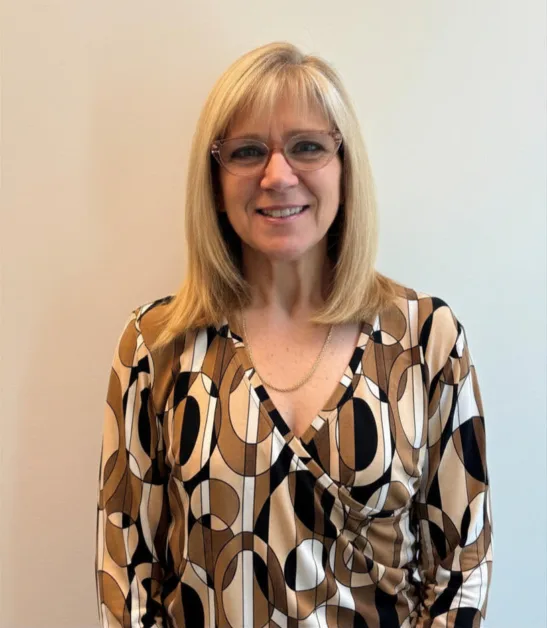
Another thanks to Carol Ann Desiderio for joining our contributors this week! If you’re in the Boston area, join Carol Ann and other Stackers on the third Wednesday of each month at 6:30 p.m. at Hannah’s Brewing Company in Melrose. See what Benjamins After Dark meetups are in your area and sign up by visiting Benjamins After Dark – Stacking Benjamins.
Jesse Cramer

Another thanks to Jesse Cramer for joining our contributors this week! Hear more from Jesse on his show, Personal Finance for Long-Term Investors – The Best Interest, on Spotify.
Learn how you can work with Jesse by visiting The Best Interest – Invest in Knowledge.
Doug’s Game Show Trivia
- On August 14, 1964, during the Great Plymouth Truck Robbery, how much money in small bills did the bandits steal from a U.S. mail truck?
Mentioned in today’s show
Join Us on Monday!
Tune in on Monday when attorney Leo Mann joins us for Financial Action Month to show you how to read contracts smarter, spot the fine print that matters, and know what you’re actually agreeing to before you sign.
Miss our last show? Check it out here: Len Penzo: The 18-Year Sandwich Survey That Predicts Recessions (SB1883).
Written by: Kevin Bailey
Episode transcript
[00:00:00] Joe: Good morning, Christopher Robin.
[00:00:02] Carol Ann: Oh, good morning, Winnie the Pooh
[00:00:08] Doug: Live from the basement of the YouTube headquarters, it’s The Stacking Benjamins Show
[00:00:24] Doug: I’m Joe’s mom’s neighbor, Doug, and on today’s show, I got my stopwatch rolling because I’m gonna time out this introduction to see how it goes. Seriously, in this world of optimization, do you think optimizing this intro is a bridge too far, or should I tweak it even more? That’s right, today we’re asking when is good enough good enough?
[00:00:45] Doug: But that’s not all, because we’ll optimize today’s show around my incredible trivia question. This one’s gonna amaze your friends, so have them gather around. And now, a guy who loves impressing his friends by talking about just how old his car is, it’s Joe. Joe Saul-Sehy. Dang it. I double tapped the watch at the beginning and now I gotta do it all over again.
[00:01:12] Joe: Don’t you hate that when a good plan goes awry? Hey, everybody. I am Joe Saul-Sehy. Happy Friday to you. We have a phenomenal, phenomenal show today. We have a fantastic cast. We’re gonna talk about how do we actually pay attention to stuff. Should we optimize every little piece of our life, or when is good enough, good enough?
[00:01:33] Joe: In fact, and I’ll get into this in a minute, I wrote a Fast Company piece on this, which kind of made me think about a broader topic on this and around your money, because so often in the financial community, we see people optimizing. And a guy who’s always optimizing, who you just heard and we’re gonna hear again, Mom’s Neighbor Doug is here.
[00:01:52] Joe: How are you, man?
[00:01:53] Doug: Fantastic today, Joe.
[00:01:55] Joe: Optimizing the front end of the show. Feeling good?
[00:01:58] Doug: Well, yeah, we’re still working on it. I’ve still got a team of researchers working on it, but, you know, there’s… I’ve been… I try to optimize a lot in my life. Here’s an example You know, sometimes late at night, y- you just need something cold and crunchy.
[00:02:12] Joe: Uh-huh.
[00:02:13] Doug: Like, you’re just… And usually the answer to that is cereal, right? Like, it, it’s tough to beat a bowl of cereal, like 10 o’clock at night, and you just… You like- It’s
[00:02:20] Joe: like the best, worst decision ever.
[00:02:22] Doug: Well, I mean, I do it healthy. I do Cinnamon Toast Crunch.
[00:02:24] Joe: Oh, duh, duh.
[00:02:25] Doug: But, so I thought, well, we could do this better, right?
[00:02:27] Doug: There’s a way to optimize this. You want cold, how about we make it colder? Throw the ice cream in there.
[00:02:32] Joe: Oh, really?
[00:02:33] Doug: Turns out that’s over-optimization. It does not… It doesn’t work.
[00:02:38] Joe: Maybe not enough. And a guy who, speaking of ice, it is, uh, mid-August, and it, they’re waiting for the first snowfall in Rochester, New York.
[00:02:47] Joe: It’s Jesse Craver’s here. How are you, man?
[00:02:49] Jesse: I’m doing well. I’m doing well. Uh, it’s still beautiful and summer up here, but I will say, a friend of mine, we were talking about trying to make, uh, maybe a hiking trip to the Adirondacks in, like, mid-October- Sweet … which is upstate New York, beautiful mountains, but up at those elevations, mid-October, you are flirting with snow and ice season.
[00:03:06] Jesse: And who wants to hike on a icy mountain? So it’s coming sooner than we want it to come, Joe.
[00:03:11] Joe: Well, not here. It’s 95 degrees still in Texas. Yeah. So bring it this way, please, God. I’m great. Even in Mom’s basement where it should be nice and cool down here- Oof … it’s still a, a crisp 85. Hey, a question. Are you a Buffalo Bills fan?
[00:03:26] Jesse: Oh, yeah. I am.
[00:03:27] Joe: Speaking of winter coming, let’s talk about this before we introduce the rest of our cast. Y- your Bills have a brand new football stadium, and apparently it’s already getting- … ripped for bad sight lines. And have you seen this, Doug? Everybody
[00:03:38] Doug: loves it. Tiny little screen.
[00:03:40] Joe: Yeah.
[00:03:41] Doug: It’s as big as your iPhone.
[00:03:42] Joe: Yeah.
[00:03:43] Doug: The
[00:03:43] Jesse: Jumbotron. I take the summers off from following football. I, I’m a fair weather football fan, which is pretty funny, uh, speaking about the weather, but, uh, I’ll have to look that up. It doesn’t surprise me that people are already complaining about the nice new thing, though.
[00:03:54] Joe: I know. Already. Already.
[00:03:56] Joe: You can’t have anything good there. You can’t have anything good. You know what is good, though? It’s good when you can teach your kids about money. Also, and I’m super happy this woman’s here, we have known her for a long time. She was one of the coordinators of our, uh, Benjamins after dark group in Boston.
[00:04:17] Joe: Carol Ann Desiderio joins us. Carol Ann.
[00:04:20] Maya: Joe, that was so awesome the way you botched my last name like that. Thank you. So it’s-
[00:04:25] Joe: Desiderio?
[00:04:26] Maya: It’s Desiderio.
[00:04:27] Joe: Desiderio. What is a D- Desiderio Desiderio among friends, Carol Ann?
[00:04:32] Maya: I, Hey, listen, I had to nail you on something, so here we go. I, well, thank you for having me.
[00:04:37] Maya: Nice to see everybody. Very happy to be here.
[00:04:40] Jesse: Carol Ann, I think, didn’t the Eagles write a song about your last name?
[00:04:46] Maya: Desiderio? Uh, Desperado Despera-
[00:04:47] Jesse: Never mind. Wrong word. It, it, we all make mistakes.
[00:04:50] Joe: But Caroline, you have had somebody say, uh, “Desiderio, why don’t you come to your senses?” Have you had somebody say that line before?
[00:04:56] Maya: Not until this very moment. So that’s awesome. Thank you for that. I’m never gonna not hear that now every time I hear that song.
[00:05:04] Joe: You’re welcome. Well, you’re, you’re married to a musician, right? So.
[00:05:07] Maya: That’s true. Yes. Yes, I am. Yeah, I’m sure Kevin can do something with that.
[00:05:11] Joe: Well, let’s chat about that for just a moment.
[00:05:15] Joe: You are one of the members of our BAD group in, Benjamin’s After Dark group, in Boston. So tell us about getting together with some other stackers in Boston. How’s that?
[00:05:24] Maya: It’s been so great. We’ve been going a few months now. We’re playing with times and dates just to kinda make things a little more accommodating for everybody.
[00:05:32] Maya: So we s- used to do it 6:00 to 7:00 PM. Now we do it 6:30 to 7:30. It gives people a little more time to get there after work. And we also have changed it to the third Wednesday every month instead of the second to make it a little more accommodating for people’s work schedules. So we’re new, and we’re trying to get up and running and, and be a little more flexible.
[00:05:50] Maya: We’re prob- five months in, but we’ve had some great conversations and some repeat customers, including your own beautiful daughter who comes to our groups.
[00:05:58] Joe: I gotta tell you, I love the young people that come. There’s another awesome young lady who, we can give a shout-out, her first name maybe, who I just met at our quarterly meetup, our national meetup, and I’m trying to remember her first name.
[00:06:10] Maya: Talking about Sue?
[00:06:12] Joe: No. W- well, well, Sue’s very young, but this is a woman in her 20s.
[00:06:17] Maya: Who?
[00:06:18] Jesse: This is great
[00:06:18] Joe: radio. This is great radio.
[00:06:20] Jesse: Yes. Yes.
[00:06:25] Joe: I’m not gonna remember her name because I only met her once, but she came to our quarterly meetup. She had come to your meeting maybe the month before. Maybe it was one that you missed.
[00:06:32] Maya: Oh, was she the schoolteacher?
[00:06:35] Joe: Yes.
[00:06:36] Maya: I can’t remember her name. Oh my God, uh, this is terrible.
[00:06:38] Jesse: Well, what does she teach?
[00:06:41] Maya: Children
[00:06:41] Jesse: What?
[00:06:43] Maya: Elementary-ish
[00:06:45] Jesse: children Good answer Humans Good answer.
[00:06:47] Maya: That is- She’s one of the reasons why we’re changing the scheduling of the meeting, because during the school year it just doesn’t work for her, and we’re trying to make it accommodating for people to be able to come out and… We meet at Hanna’s Brewery on Main Street in Melrose, which is an awesome place.
[00:07:01] Maya: They’ve been so accommodating to us. We love it there. It’s a great space.
[00:07:05] Joe: Awesome. Close to public transportation?
[00:07:06] Maya: Close to public transportation, close to the commuter rail. If you’re in the Boston area, you can get anywhere you need to be. Um, we are on the Orange Line, but also the commuter rail. Boston people will know what that means.
[00:07:16] Joe: Yes. I was gonna say, if you’re in the Boston area, come on out, take the Orange Line, the commuter rail. Whatever it takes, just come- … hang out with Carol Ann and everyone else. All right. This woman not only runs the Wealthy Kids Club, she has oh, only about a quarter of a million people following her on Instagram.
[00:07:34] Joe: Our friend Maya Corbik is back. How are you?
[00:07:36] Carol Ann: I’m good. I’m very good. Thank you for having me.
[00:07:39] Joe: You just got back from a nice vacation. Someplace warm or cold?
[00:07:43] Carol Ann: Well, I live in Canada, so it, I guess it was warm, but it was up north. It was further than where I normally live, so in the cottage country. It was lovely.
[00:07:53] Joe: Oh, nice. Beautiful, fantastic. Let’s talk about Wealthy Kids Club. How does it work? What do you do?
[00:07:59] Carol Ann: The Wealthy Kids Investment Club actually helps families budget their money, uh, manage their money better, and pursue their financial goals. Originally it was kids only club, but then I started noticing, because we’ve…
[00:08:13] Carol Ann: It’s been operational for the last four years. I started noticing that parents were just kind of sticking their kids in the club, but they themselves did not really understand finances, and so it became a family-oriented club where other families can meet families like them. It’s this lovely experience where families get together and, and learn about finances and get their money better.
[00:08:34] Joe: It’s really fun, and that’s w- what you lead to also, I think, in your Instagram videos.
[00:08:39] Carol Ann: Yes. And it’s funny, actually, because the Instagram videos are done in a way that kids can understand them, but I find that a lot of parents are learning from them too, because they didn’t learn this stuff when they were younger.
[00:08:51] Joe: It is funny. I found that, Maya, just with Stacking Benjamins, is that we try to keep stuff 101 as often as we can because we often think that people understand what up in Canada, like a tax-free, uh, savings account is, or a Roth IRA here. We just take that for granted, and many people don’t and they’re afraid to ask.
[00:09:08] Joe: Which, the more we do this, the more we find out. Well, I’m super happy you’re here, and that Carol Anne’s here, Jesse’s here. We’re gonna talk about optimizing your life. I read a wonderful piece at Fast Company about the power of good enough. When is good enough, good enough? And I wonder that around specifically, that was around your whole life, but specifically with your money and with your work life.
[00:09:29] Joe: Like, when is it enough? And then Maya will ask you specifically as well about, you know, teaching kids. About, you know, when we teach kids, are we teaching kids optimization? When should we teach them to optimize, and when is enough maybe enough? So I can’t wait to get into it. We’ve got Maya here, we got Carol Anne, we got Jesse, we got Doug.
[00:09:47] Joe: We are going to dive into this in a moment. We got a couple sponsors though who help us keep on keeping on. We’re gonna hear from them, and then we’re gonna talk optimization and maybe over-optimization How many meetings a day do you take notes in? Or how many different just events where you have to jot something down?
[00:10:04] Joe: Here’s a hill I will die on. Granola AI is the best, the best note-taking software that is available. I’ve used a ton, and it is by far the best. It’s an AI-powered notepad built for the way real people actually meet. Here’s how it works. You take rough notes like you normally would, and in the background, Granola is securely transcribing the entire meeting.
[00:10:28] Joe: It turns it all into a clean, structured, actually useful group of notes when the meeting ends. And the best part, it works through your audio’s device, which means you don’t have to have any setup. There’s no awkward bots. It integrates seamlessly into the stuff that you already use. It’s just your normal meeting with superpowers.
[00:10:49] Joe: I absolutely love the output of my meetings. And if you wanna know how it looks, just either try it for free or write me, joe@stackingbenjamins.com. Because if meetings are eating up your day, Granola is a no-brainer. You can try it totally free by heading to granola.ai/sb. That’s granola.ai/sb, and get your time back.
[00:11:13] Joe: Here it is again. Try it for free. Granola.ai/sb
[00:11:25] Joe: I was walking down the beach a few weeks ago. All of a sudden, I see my social media blows up with a gentleman named Steven Bartlett. And Steven Bartlett is the host of a popular show called Diary Of A CEO. And Steven had said on his podcast that three glasses of wine had completely wrecked his week.
[00:11:45] Joe: Had wrecked his week. He had gone out with some friends, he had three glasses of wine, and now his entire week was a disaster. And immediately, everyone on social media, and I don’t know if it was right or not, started saying, “Okay, are we just optimizing too much stuff when a third glass of wine you can’t appreciate with friends because you’re so worried about your productivity?
[00:12:08] Joe: You’re so, so insanely worried about it.” That was really what caught my attention to actually read this piece. Now, I’ll link to the Fast Company piece in our show notes, but really, if you want to read it to dive deeper, you can, but you don’t have to. But let’s dive in with you guys. Maya, let’s start with you.
[00:12:25] Joe: What is something that you, you maybe went off the deep end and went, “You know what? This is Maya’s ‘three glasses of wine'” where you might have over-optimized?
[00:12:34] Carol Ann: What comes to mind is budgeting and over-budgeting. So I grew up in poverty. We had very little money, and when I was becoming who I am today, I had some very low income jobs, and so I had to budget every penny.
[00:12:51] Carol Ann: That sort of stuck with me. But also being in this industry as a financial educator, you know, we’re constantly told that, you know, we need to budget and allocate every cent, and some people even say, like, budget until it hurts, which I completely disagree with now. I remember my kids were very little and I needed to buy some multivitamins.
[00:13:13] Carol Ann: I remember going into a health food store and not buying the multivitamins because I was gonna go, I don’t know, maybe $5 over the budget? It was ridiculous. I remember coming home and my husband asking, “Wh- where are the vitamins?” And I said, “Well, you know, we were gonna go over the budget.” And he just looked at me and he was like, “Are you kidding me?
[00:13:32] Carol Ann: Like, there is enough money. Like, you can… You know, we don’t need to budget this tightly. This is ridiculous. Like, we are optimizing for every cent, and there is no need for that. It’s sucking out every joy and fun out of life.” That was the moment when I realized I wasn’t really enjoying doing that. I mean, I did that for many, many years because I had to, but we were in a good financial place where that didn’t need to be done anymore.
[00:13:58] Joe: And it’s so wild that budgeting can be either a wonderful tool or just this absolutely rotten thing. And, and so much like a money nerd, Ma- Maya, that you would, you’re prioritizing wealth over health, you know, when you say that. Like, who cares if my kids are healthy, we need more money.
[00:14:16] Carol Ann: Yeah. It sounded absolutely crazy, and I remember reflecting on it and I thought, “Okay, this is nuts.
[00:14:21] Carol Ann: Like, we need to change things.”
[00:14:23] Joe: I love that you started with that one, ’cause we often optimize saving money, but we don’t think about time. We don’t think about health that much in our personal finance community. Carol Lam, what’s one where you maybe went a little off the deep end?
[00:14:36] Maya: Yeah, I actually can relate a lot to the story Maya just told.
[00:14:40] Maya: Thank you for sharing that part of your background with us. I came from a similar kind of situation where divorced at a very young age, raised two kids on my own, money was always tight. It was always so hard to, to make ends meet, that you really did have to watch for every penny. But then what I did with my kids, once they were in college and out of the house or whatever, I ended up having to then turn around and every spare cent that I used to spend on the children now got reallocated to making up for lost time, what I thought was lost time, catching up with retirement and savings and things like that.
[00:15:14] Maya: And I optimized That’s my vitamin alarm. Sorry about that.
[00:15:20] Joe: Time to take your multivitamin?
[00:15:21] Carol Ann: Yeah, that was my multivitamin.
[00:15:23] Maya: Um, but I optimized so much that it w- I was, got to the point where I had, like, a 67% savings rate from my salary, and- Oh my goodness … it was such forced scarcity that there was never any money to do anything, because I felt like I was catching up for lost time for all those years in retirement that I couldn’t afford to save And so I did have to get to the point where I was like, w- w- I gotta slow down.
[00:15:47] Maya: Why am I doing this? I’ve caught up to where I need to be. I’m in a good place. It’s okay to have a little extra money so that I’m not counting every penny. I can afford to go food shopping now without using a calculator. Like, it’s okay. And so it’s a different mindset that you really, really have to wrap your mind around when, when does enough become enough, and you can slow down a little bit to just make the other areas of your life a little more enjoyable as well.
[00:16:11] Maya: Because I’m at the point now where I’ve got more money than time. Yeah. And that now becomes the problem, or the concern.
[00:16:19] Joe: Yeah. Time becomes, becomes… And, and then you think about the time that you may have, uh, I don’t wanna say wasted, but spent, the time that you spent on accumulating money living this, uh, lifestyle far below, you know, what you could have done if it was more moderated.
[00:16:35] Joe: And I’m glad you brought up that story, because that’s also prevalent in the personal finance community, Carol Anne, with people, you know, especially in the fire community, where they’re like, “No, no, no, have fun tomorrow. Today we’re gonna make sure that we wring every penny out of this.” Jesse, you’ve never over-optimized anything.
[00:16:51] Joe: Never overthought anything. Like, as a guy that was an engineer, there’s no way you overthought a thing. I never meet any overthinking engineers.
[00:16:58] Jesse: I was trying to think of the funniest one, but there was a time where, probably for, like, a couple years, where I tracked all the mileage on my 2012 Toyota RAV4, and I also tracked every single time I filled up at the gas pump and how many gallons it was.
[00:17:11] Jesse: Wait a minute. Okay,
[00:17:12] Joe: the first part, tracking your mileage. Doesn’t your Toyota RAV4 do that for you?
[00:17:16] Jesse: Well, yeah, yeah. But, but, but my point is, you know- Were
[00:17:18] Joe: you questioning the distance it was giving you? It says
[00:17:20] Jesse: 212, but- You need a spreadsheet for specific dates, Joe. For specific dates to say- Oh, I get
[00:17:25] Joe: it.
[00:17:26] Joe: Okay …
[00:17:26] Jesse: this month, this month, this month. And then simultaneous to that, I was tracking how much gas I would add and how much I would spend on gas, so that way I could calculate the running miles per gallon at any given point in the, in the life of that Toyota, and then you know how much I was spending on gas.
[00:17:42] Jesse: I would be going down the thruway, and they, they say what? Uh, that which gets measured gets managed. Like, in order to improve on something, you ought to measure it. And so sure enough, the act of throwing all this useless data into a spreadsheet meant that as I’m going down the thruway, I would be like, “Okay, that tractor trailer’s going 68 miles an hour, and I’m pretty happy with 68.
[00:18:00] Jesse: I’ll just tuck in behind him to draft.” You’re gonna
[00:18:03] Joe: draft off him?
[00:18:03] Jesse: Draft, yeah. ‘Cause I’m tracking this data. I need to improve my mileage. So that was a couple-
[00:18:08] Joe: You’re
[00:18:09] Jesse: a hypermiler. I was a hypermiler, exactly. Some people think about credit card points. I’m just all about mileage, baby. And, uh, so that was a couple years of my life that I probably won’t get back.
[00:18:18] Jesse: Yeah.
[00:18:19] Joe: But you’ve seen the back end of a lot of nice tractor trailers.
[00:18:22] Jesse: Oh my gosh. I know so many 1-800 numbers you can call if someone’s driving erratically.
[00:18:29] Joe: Did you ever calculate how much money you saved by drafting off of tractor trailers?
[00:18:34] Jesse: I mean, I will say, uh, for my little RAV4, my, my mileage in the moment…
[00:18:39] Jesse: Like, you know, a RAV4 gets 26 miles to the gallon or something like that on average. But when you’re there drafting, you’re getting like 45, which again- Wow … what does that mean? It means that your mi- your… We’ll, we’ll say it doubles your, your fuel efficiency, which would cut your gas cost in half.
[00:18:56] Doug: You
[00:18:56] Joe: must
[00:18:56] Doug: have saved tens of dollars.
[00:18:58] Jesse: I bet you I saved hundreds. Maybe even, maybe even 1,000 a year if I was doing it well.
[00:19:02] Joe: Wow. Before we go any further, I wanna know exactly who I’m talking to, who we have. On a scale of one to 10, and, uh, the power of live YouTube, we lost Maya again, so we’ll we’ll hopefully get Maya back. But on a scale of one to 10, 10 being that you are always thinking about optimizing and you gotta force yourself not to optimize, zero being you have to remind yourself once in a while that maybe a little optimization might help your life.
[00:19:32] Joe: On a scale of one to 10, Jesse, who are you?
[00:19:35] Jesse: Uh, probably a seven I’m gonna say. Yeah.
[00:19:38] Joe: Carol Ann, how about you?
[00:19:39] Maya: I, I don’t know. I might be like a nine or 10, because every time I try to pull back on one area, it makes me realize I’m, or think at least, that I’m not doing enough in another area. And so I’m always biting off more than I can chew.
[00:19:52] Joe: Always, always overthinking it?
[00:19:54] Maya: Always, yes.
[00:19:55] Joe: Yeah. ‘
[00:19:56] Maya: Cause there’s always something more I can be doing.
[00:19:58] Joe: Maya, here’s the question that we’re working on. On a scale of one to 10, 10 being that you, your natural, uh, Maya Korbic sensibility is to optimize every time and then you gotta talk yourself out of it, one being that you have to remind yourself that optimizing something every once in a while might help the situation, where would you put yourself on a scale of one to 10?
[00:20:19] Carol Ann: One is where I have to remind myself? Probably say I’m a five. Like, I’m really in the middle.
[00:20:27] Joe: Right in
[00:20:27] Carol Ann: the middle Yeah. I, I do realize the importance of it- Nice … but-
[00:20:30] Joe: All right,
[00:20:31] Carol Ann: so what- Yeah, I, I do realize the importance of it, but I, I actually thrive that, you know, thrive sometimes on just going along and, and doing the main things that are important, but, uh, not really focusing too much on optimizing, as long as I see some progress.
[00:20:48] Joe: Well, let’s talk about kinda the cost of optimizing for a minute. Jesse, do n- numbers people have an especially difficult time accepting good enough because there’s always a mathematically better answer?
[00:20:59] Jesse: Could you rephrase that question for me, Joe? I think I understand what you’re asking, but just say it
[00:21:03] Joe: one more time.
[00:21:03] Joe: Yeah. I feel like a lot of our stackers are mathematically oriented.
[00:21:05] Jesse: Okay. Yeah.
[00:21:06] Joe: Let’s say that they are the 10 like Carolanne. Do you think, because you see a lot of people when you’re talking about financial planning, that numbers people- Yeah … have this difficulty accepting that being a, a five, like Maya said, is okay sometimes?
[00:21:22] Jesse: Yes, yes. I see. Yes. Excellent question. I love the question. I come from a world of numbers, right? I’ve got two degrees in engineering, and I spent seven years working as an engineer, and the thing that math and the hard sciences tell you is that every equation can be optimized, right? Calculus. Every, every curve has a, a maximum or a minimum in you.
[00:21:42] Jesse: A- any time you’re trying to design something in engineering, there’s a certain way to get the, the strength to weight ratio as, as high as possible.
[00:21:49] Joe: Yeah.
[00:21:49] Jesse: A- and, right, you can kind of keep on squeezing for more and more efficiency, and I think that a lot of people who maybe have that mathematical bent to them naturally want to come into the world of money and apply the same exact thought process.
[00:22:02] Jesse: I did for many, many years, and maybe you could argue that I still do. It’s just that when that world of money collides with that soft, mushy stuff between our ears, you, you realize that you’re no longer, you’re no longer optimizing a mathematical equation. You’re now trying to optimize mushy psychology- Yeah
[00:22:21] Jesse: and feelings and emotions, and it just breaks down. It doesn’t work the same way. So I, I think, I suspect that a lot of this optimization tension that we’re here talking about today has to do with where the, the, the math and the mushy brain start to collide and, and it c- just… it’s gray. It’s a gray area.
[00:22:37] Jesse: It’s gray matter, you could say.
[00:22:39] Joe: The math and the mushy brain. You’ve a way with words, Kramer. Maya, I know that all kids are different, right? But do kids naturally begin as optimizers for the most part, or do they learn optimization from watching us? And she’s gone again. We’re having trouble keeping Maya.
[00:22:58] Joe: Uh, Carol Ann, you’ve had kids. Same que- same question. Did your kids learn optimization from you?
[00:23:05] Maya: I feel like I’ve been a bad influence in this area on my daughter, because what I noticed with her, she grew up always trying to… You’ve spoken to her before, Megan. She’s wonderful. She’s 30 years old. Yeah, Megan’s been on
[00:23:17] Joe: the
[00:23:17] Maya: show.
[00:23:17] Maya: Smart and successful, and she’s a great kid, but she always grew up thinking, “I gotta do more, I gotta do more.” And I think she learned that from watching me. And so when she was in high school, she kind of was like, “Well, now I’ve done this. Now I need to get my first job, and I got my first job. Now I gotta start picking out college, and I picked a college.
[00:23:34] Maya: Now I gotta do the next, the next best thing, the next best thing.” And at some point I had to tell her, like, “Slow down. It’s okay. It’s n- life is not a checklist. You can enjoy the successes. Take your time. There’s no rush to do anything.” And, um, she’s y- a young married couple. I’ve got a wonderful son-in-law, um, Jesse.
[00:23:55] Maya: They’re a great couple together. They were like, “Oh, automatically now the next thing we have to do is buy a house.” And I was like, “Well, we gotta have that talk. You’re not necessarily ready for a house. Just because you think that’s the next adult thing that you’re supposed to do to kinda check that box- Oh, yeah
[00:24:10] Maya: doesn’t necessarily mean that’s what comes next.” And I had to, like, slow her down and help her to really, like, live in the moment and enjoy it, instead of just going on to the next thing.
[00:24:20] Jesse: Just real quick, I, I don’t think you should question Jesse so much, Carol Ann. I just, eh, just you ha- yeah, I was following your story just fine and then, yeah, you lost me there.
[00:24:29] Maya: Don’t ever underestimate a Jesse. They know what they’re talking about.
[00:24:33] Joe: We’ve learned that the hard way here at Stacking Benjamins too. Underestimating Jesse a couple times. Guys, let’s do a little game called the Optimization Olympics. You’re gonna choose is this worth it, is the optimization worth it, is it good enough, or should you stop?
[00:24:47] Joe: All right? Let’s take turns, and until we get Maya back, we will just go back and forth. Jesse, we’ll start with you. Drive 15 minutes to a gas station where the gas is 8 cents cheaper.
[00:24:59] Jesse: I despise this one. I, I despise this one- … with everything in my being. It’s never worth it. It’s never worth it unless the gas station has made one of those mistakes where, like, they accidentally hang up a one instead of a three, and it’s like $1 gas instead of $3 gas.
[00:25:14] Jesse: The time that you waste and the gas that you waste to get there, never do it.
[00:25:19] Joe: Let’s see if that’s the difference between a seven and a 10 optimizer. Carol Ann is the 10. 8 cents cheaper, 15 minutes out of your way. You going?
[00:25:28] Maya: I gotta say no. For the amount of time and money that you’re spending in gas to get to that gas station, I’m not doing that.
[00:25:35] Joe: All right, Carol Ann, let’s change it then. Let’s say that you’ve got two gas stations along the same route, and both are on your way. You optimizing for the one that’s 8 cents cheaper?
[00:25:45] Maya: Oh, yeah. Absolutely.
[00:25:46] Joe: Jesse?
[00:25:48] Jesse: Probably not paying attention to it is my honest answer.
[00:25:51] Joe: Not paying attention. That sounds like an OG answer, by the way.
[00:25:54] Joe: But she’s like, “Well-” Not for
[00:25:56] Jesse: gas prices. I just think gas is that commodity that is so similar from station to station that, you know, I, I just, I probably wouldn’t notice.
[00:26:05] Joe: I’m on the Carol Ann end of this. Doug?
[00:26:07] Doug: If I see gas is cheaper across the street, but it means I have to take two lefts and a right to get there, I’m still not going to get the cheaper
[00:26:16] Joe: gas.
[00:26:17] Joe: You still
[00:26:18] Doug: won’t go. All right. They’d have to be giving out free Tasty Freezes over there before I make my way to the cheaper gas.
[00:26:23] Joe: Let’s go to the next one. Open another credit card for a $500 signing bonus. Jesse?
[00:26:31] Jesse: Um, probably worth it. I, I have to admit, I don’t do a lot of the credit card game and, and ’cause usually I find, Joe, there’s some strings attached.
[00:26:39] Jesse: But if it’s just like, “Hey, open this credit card, we give you 500 bucks, and three months from now you can close it again,” I would certainly consider it and, and that sounds like pretty easy free money.
[00:26:49] Joe: Okay. Carol Anne?
[00:26:51] Maya: I struggle with the, the whole credit card hacking thing. I feel like it’s a waste on me, so no, I don’t do that.
[00:26:58] Maya: I, well, you know why? ‘Cause in the past I’ve done these things where I’ve opened a credit card, but I don’t spend enough money to really take advantage of points and stuff on credit cards, and there’s always strings attached. You have to spend X amount of money in the first six months that you open the card or things like that, and I don’t…
[00:27:12] Maya: No. I don’t benefit from those things.
[00:27:14] Joe: You and I are direct opposites because I don’t do it because of the fact that I would open it and I wouldn’t get rid of it. I would start using it, and next thing you know it’s a, it’s a bad deal. I had to reign that in when I was getting my financial act together.
[00:27:27] Joe: Maya, $500 y- you’re offered for a new credit card. Would you, would you do it or not?
[00:27:34] Carol Ann: No, I, I side with Carol Anne on this one. Un- unless it was significant amount of money, but $100 or $500 right now is not enough to motivate me. Maybe years ago, but not now.
[00:27:46] Joe: Let’s do another one. Uh, you’ve got $20,000 in savings, we’ll stick with you, Maya, and you are offered at another bank, uh, 0.2% more.
[00:27:59] Joe: So, 2/10 of 1% more. Do you take it for a 0.2 difference?
[00:28:04] Carol Ann: If it’s one of those offers where, you know, that only applies for the next three months or six months, it’s a no for me.
[00:28:13] Joe: Okay.
[00:28:14] Carol Ann: It’s too much work I guess I’d have to calculate exactly, you know, I- I’m trying to do the calculations in my head right now.
[00:28:22] Carol Ann: But if it’s only for three months or something like that, then definitely yes. Gotcha.
[00:28:24] Joe: So bonus offer, no. But if they’re consistently 0.2 higher, you’d do it.
[00:28:29] Carol Ann: Yeah, I’d do it, yeah. Yeah.
[00:28:30] Joe: Carol Anne?
[00:28:31] Maya: Yeah. I’ve opened accounts at different banks. Not my main bank, though. I’ve never changed my main bank, ’cause it is too much trouble to change your auto, your mortgage payments, and all that kind of stuff coming out of the banks.
[00:28:42] Maya: I’m not gonna put that much work into it if it’s only for, like, 0.2%. But I have done, in my brokerage account, CD ladders just to get that little tiny bit of optimization, even though it was more work to have to make sure I re-upped every three months or six months or nine months, depending on the term of the CD.
[00:29:01] Maya: I, I have done that, which may or may not be worth the time
[00:29:05] Joe: it takes. Calculating the, the time benefit. Mm-hmm. It’s like hypothetically maybe, uh, driving behind a semi to get just a little bit more mileage.
[00:29:13] Maya: Who’s crazy enough to do that?
[00:29:14] Joe: Uh, Jesse, how about you?
[00:29:15] Jesse: I know. Man, ridiculous things people do to save money.
[00:29:18] Jesse: Uh, my, I had the benefit of, you know, I pulled up a calculator. I calculated it. It’s a $40 a year difference in the interest rate there, the 20%. Oh, there it is, my $40.
[00:29:28] Joe: That’s, that’s the number.
[00:29:28] Jesse: 0.2% on 20 grand was 40 bucks a year difference. I would not make that particular change. That, that feels like over-optimization to me.
[00:29:36] Jesse: Unless I had some sort of ulterior motive to be like, “This bank sucks. They, they’ve screwed me over one reason or another.” Something I just don’t like. Their, their online portal stinks. The new f- bank I’m going to seems really, really slick. Like, okay, maybe then I’d change, but not from- You’re gonna look at
[00:29:50] Joe: surrounding features.
[00:29:52] Jesse: Correct, correct. Yeah. It’s other factors would weigh in my decision.
[00:29:55] Joe: All right, let’s stick with you for one more here. I like this one. Let’s not make it $40. Let’s make it $112. You can save $112 instead of flying direct to take- Yeah … a connecting flight, but it adds four hours.
[00:30:11] Jesse: Okay. Slightly longer answer than it needs to be, but certainly not an OG answer.
[00:30:16] Jesse: In today’s modern age, you can sit at an airport for hours, and, and in the pre… And 30 years ago, you’re, like, wasting your time. But today, so much work occurs, like, on a laptop that I could probably be really, really productive sitting there for that four-hour layover, like, totally wasting my time, but I still don’t think I would do it.
[00:30:33] Jesse: It would have to be a much, much, much bigger dollar amount for me to accept that, ’cause if I can be home four hours earlier and in my own environment hanging out with the family, that there’s no way I’d do that for $112 to, to sacrifice that. You’re
[00:30:44] Joe: valuing the time more than the money. Mm-hmm. There it is.
[00:30:47] Joe: Maya?
[00:30:48] Carol Ann: Yeah, I side with Jesse on that one for sure. I definitely value my time more than the money, and it’s not enough. I feel like it’d have to be a larger amount of money, and I’d rather be home with my kids, get home sooner, or wherever I’m going.
[00:31:01] Joe: That’s what I was gonna ask you, Maya. If you had said, “Yes, I’d do it,” I’d say, “But you’re traveling with two kids.”
[00:31:05] Joe: Then I would-
[00:31:08] Carol Ann: Right. Then you would- No, then especially not. It would have to be significantly larger amount of money.
[00:31:12] Joe: It is different if I’m doing it myself, ’cause I’ve taken this deal before where I have plenty of work that I have to do anyway and I’m traveling to a pla- It’s also different if I’m traveling to the place versus coming home.
[00:31:22] Doug: Yes.
[00:31:22] Joe: If I’m coming home, I want the direct flight.
[00:31:24] Doug: Yeah. Joe, when my kids were young, I would find overnight layovers- … just to delay getting home.
[00:31:31] Joe: Uh, Carol Anne?
[00:31:33] Maya: There was a time in my life when I would’ve said yes to this question, but I gotta give credit to my husband. I, we don’t do that anymore. We don’t have to.
[00:31:40] Maya: First of all, we don’t have to live that way anymore. We don’t have to optimize for every single thing. Kevin’s much better at this than I am though, so he keeps me, he keeps me… He’s the fun and I’m the money. He’s, he figures out how, what we wanna do to have fun, and I figure out how we’re gonna pay for it and stuff like that.
[00:31:55] Maya: But, um, no, I don’t do those kinda things anymore because we can afford the extra $112 not to have to wait three hours in a, in an airport someplace for a layover.
[00:32:05] Joe: You call him the fun. He’s very fun, but I think you’re fun, too. Oh, thanks,
[00:32:09] Maya: Joe.
[00:32:09] Joe: And even though you’re the money. And keep dragging him to the Boston Benjamins After Dark groups- Yeah
[00:32:14] Joe: so that he becomes the money, too. All right. In the second half, we’re gonna ask you questions that are a lot more serious. We’re gonna bring it with some of the bigger questions, which are five more year syndrome for people that are maybe hanging on to work for too long just to optimize their money situation, that one.
[00:32:32] Joe: And then we’re gonna give a money test for people that have kids, teaching your kids about money, and I’ll be curious to hear what all of you have to say, ’cause you all, all three of our participants have kids. But we’ll get Maya’s take on that one. But halfway through our episodes on Friday, we have this phenomenal year-long competition between our three frequent contributors, Jesse, who’s here, OG, who is now being played by Carol Anne, and then Paula Pant, who is being played by Maya.
[00:33:04] Joe: Maya, you want the good news or the bad news about how this is gonna go?
[00:33:10] Carol Ann: Uh, let’s do the bad news first.
[00:33:12] Joe: Well, the bad news for you is the good news for Carol Anne, because Paula is in last place. That’s the bad news for you. Th- that’s the good news for Carol Anne. But that also, Maya, means there’s some good news for you.
[00:33:25] Joe: Because Paula’s in last place, you get to guess last. Carol Anne, that’s the bad news for you, because OG’s in first place. You have to guess first. And Jesse, no news is good news for you, ’cause, uh, you’re in the middle, buddy. What’s the score, Doug, so far this year?
[00:33:43] Doug: Well, last week Paula made it really, really interesting and fun by scoring a point all by herself, so she’s up to seven points now.
[00:33:51] Doug: That leaves Jesse as the forgotten middle child. He’s at eight points. And OG is in the lead, but not by much, at 10 points.
[00:34:01] Joe: Seven, eight, and 10. It is fairly close. So let’s see if it’s gonna get closer or if we’re gonna break it apart. Doug, what’s today’s question?
[00:34:14] Doug: Hey there, Stackers. I’m Joe’s mom’s neighbor, Doug, and it was on today’s date back in 1964 that an incident known as the Great Plymouth Truck Robbery occurred. Seriously, it was nearly as big as Joe’s mom’s ATM incident of ’09 that we aren’t allowed to talk about, but I just did.
[00:34:32] Joe: Ah, I did it again. There you go.
[00:34:34] Doug: Okay. Anywho, two men dressed as police officers stopped a US mail truck delivering small bills from Cape Cod to the Federal Reserve Bank in Boston. They tied up the driver and the guard and drove off, stopping to drop off money in various places. The truck and its two tied up occupants were later abandoned.
[00:34:54] Doug: This was the biggest cash heist ever. It was huge at the time. So let’s ask this question: Just how big was it? How much money in small bills did these bandits make off with? I’ll be back right after I see if I can heist a few of the chocolate chip cookies I hear coming out of the oven upstairs. Listen, folks, if you’ve got the phone number for Joe’s mom’s house, call her right now because I need a distraction
[00:35:19] Joe: I can’t wait to hear the phone calls upstairs.
[00:35:22] Joe: While we’re waiting for those, Carol Ann, that’s actually, uh, close to home for you. It
[00:35:28] Maya: really
[00:35:29] Joe: is. It was a long, long time ago. Long, long time ago, but maybe you know some of the, the history of the area. How much money was stolen?
[00:35:39] Maya: Did neighbor Doug say what year this was?
[00:35:42] Joe: I did. It was 1964.
[00:35:44] Maya: Thank you. Okay. I don’t know the answer to this question.
[00:35:49] Maya: I feel like I should because I think they made a movie out of it.
[00:35:52] Joe: I don’t know. You, you talking about the one with Ben Affleck?
[00:35:55] Maya: Yeah, yeah.
[00:35:56] Joe: That was where they held something up. I don’t know if that’s the-
[00:35:59] Doug: The Town? Are you talking about The Town-
[00:36:01] Maya: I don’t know if it was the same- … with Ben Affleck? Um, uh, doesn’t help me to answer the question anyway, so at- Right
[00:36:06] Maya: this point I’m just stalling for no good reason. It was
[00:36:08] Doug: not about this.
[00:36:08] Maya: So 1964, there was a lot of money. It’s obviously gonna be… I, I don’t know. I’m gonna go with, um, $10 million. $10
[00:36:17] Joe: million. Jesse, what are you gonna do with that number?
[00:36:23] Jesse: That’s, that’s a good guess, Carol Ann. Interesting guess. I liked how the movie angle helped you answer the question in the form and fashion of OG.
[00:36:34] Jesse: You know, telling a story, weaving in outside details. That was very well done. And,
[00:36:40] Doug: and this really did almost happen in her hometown, as
[00:36:43] Jesse: OG often claims. In, in Carol Ann’s home- … correct. Correct.
[00:36:46] Maya: Listen, Kevin’s not gonna be happy when I get home tonight, I can tell you that.
[00:36:51] Jesse: I’m gonna go lower, and, uh, is a million, is that too high or too low?
[00:36:58] Jesse: I’ll go with a million. I’ll go with one million, even.
[00:37:01] Joe: One million. Mm-hmm. So much, much, much lower. So Maya, you’ve got 10 million from Carol Ann, a million from Jesse. What are you thinking?
[00:37:11] Carol Ann: I was originally gonna go with a million, but since Jesse picked that number, um, I was also thinking how far is Cape Cod from Boston, because they were stopping and distributing all this money or hiding it along the way, so I thought, “Okay, does that have anything to do any- with anything?”
[00:37:28] Carol Ann: And it really doesn’t. I mean, they could’ve put away as much money or as little money along the way, so- Could’ve been
[00:37:33] Joe: $10
[00:37:34] Carol Ann: here, $10 there …
[00:37:35] Joe: um-
[00:37:35] Carol Ann: Right? I’m just gonna go yeah, I mean, really. So I’m gonna go with five million. It’s completely unrelated, but just kinda in between- She’ll split
[00:37:43] Joe: the
[00:37:43] Carol Ann: difference … the two guesses.
[00:37:44] Joe: All right. We got Carol Ann at 10 million, Jesse at one million, Maya halfway, well, almost halfway between them at five million. Who’s gonna take this home? We’re gonna find out in a minute. We’ll be right back. All right, Carol Ann, you started at 10 million, and, uh, th- these two thought that maybe that was a little high.
[00:38:03] Joe: But listen, if it was 50 million, you’re gonna bring this home. Feeling good?
[00:38:07] Maya: Feeling good about my answer, Joe.
[00:38:09] Joe: Excellent. Jesse, you got the l- lowball answer at a million. It was 1964, so it could’ve been, you know, what’s a million then versus a million today?
[00:38:20] Jesse: Right. Exactly. I don’t, I don’t really have a good feel for how much these trucks have in them.
[00:38:25] Jesse: I mean, even today, if you ask me, “How much is that truck going by on the highway having it?” I have no idea. Uh, so anyway, I’m, I’m
[00:38:31] Joe: pretty clueless on this one. Why don’t you pull one over and find out one time? Yeah. While you’re tailing it, while you’re tailing it down the freeway. It might not end well. Maya, you’re right in the middle at five, so you’ve got, like, from what, three million to seven-ish?
[00:38:48] Joe: Feeling good?
[00:38:50] Carol Ann: Yeah, I think so.
[00:38:51] Joe: All right. Maya thinks she’s bringing it home, but only one person knows who’s taking this home. Is Maya helping Paula get back into a tie with Jesse? Is Carol Ann helping OG pull ahead again, like he was earlier in the year? Or is Jesse creeping up right behind OG? Man, I can’t wait to find out.
[00:39:11] Joe: Doug?
[00:39:17] Doug: Hey there, Stackers. I’m chocolate chip appreciator and guy who needs better henchmen, Joe’s mom’s neighbor, Doug. Nobody called. You know, good work usually boils down to having a good team, and I gotta say, phone didn’t ring, Stackers, so when I say my hand was caught in the cookie jar, it’s not a euphemism.
[00:39:33] Doug: She literally caught me with my hand in the cookie jar. Like, it was sh- all the way up to the elbow. It was all the way in there. Well, unlike me, back in 1964, some bandits got away with a ton of cash. Most of the money was never recovered, and while some people were indicted, most fear that the true criminals may have gotten away.
[00:39:54] Doug: Bet Carol Ann knows who they are. But how much money did they get away with? Well, it was eight and a half million less than what Carol Ann guessed, three and a half million less than what Maya guessed, just 500,000 more than what Jesse guessed, because the correct answer is $1.5 million, making Jesse our winner, who is now just one point out of the tie for the lead.
[00:40:15] Joe: Jesse Kramer with the big win.
[00:40:17] Jesse: I’m drafting OG. That’s
[00:40:21] Doug: what it is. Thank you for
[00:40:21] Jesse: miming OG. I’m drafting him. I’m gonna say, like, one point behind him right until the end.
[00:40:24] Joe: You kind of figured out that if you draft him all season, like, that’s optimizing this whole Stacking Benjamins thing. That’s
[00:40:30] Jesse: the goal.
[00:40:30] Jesse: Yeah. That’s the goal.
[00:40:32] Joe: Yeah.
[00:40:32] Jesse: Nice- Maya, I’m sorry for taking the one million guess before you got to it. That, that’s my bad.
[00:40:38] Joe: You would think going last would be a benefit, but Paula goes last every week. And- If
[00:40:44] Doug: she’d only said a million and one dollars.
[00:40:46] Joe: A million and one. Yeah.
[00:40:48] Carol Ann: It’s like Price Is Right.
[00:40:49] Doug: Yeah.
[00:40:50] Joe: That’s what… When she first said, “Well, my first guess was a million,” I thought she was going a million one. Yeah. I thought, “Oh, maybe, maybe she’s doing it.” All right. Let’s get back to the real questions, ’cause we’re talking about optimization. Uh, let’s start off with kids and a conundrum with kids, and then let’s talk about one for adults.
[00:41:05] Joe: All right, your 12-year-old has saved $200. They want $150 sneakers. It’s their money. Is it worth it? Is it good enough? They should do it? Or do you stop it? Let’s have Maya answer last. Jesse, you’ve got, uh, kids too young for this so far, so put your dad hat on. What are you thinking?
[00:41:28] Jesse: My first instinct is to let them spend that money the way they want to.
[00:41:33] Jesse: And then, I mean, right, as long as it’s not, like, truly harming them, you know? But, like, right, I think spending money on shoes is a perfectly reasonable way to spend money. And then there’s always that lesson, i- if there even needs to be a lesson. Maybe they love the shoes and it’s the best thing they’ve ever spent money on, or maybe there’s an opportunity down the line to be like, “Oh, you see?
[00:41:51] Jesse: Like, you know, when you spend money, sometimes you don’t exactly get the fulfillment that you thought you would.” And, and it’s an interesting lesson to carry forward, but I don’t see any issue with it.
[00:41:59] Joe: Carol Anne, I’m sure you’ve been through this
[00:42:01] Jesse: before. Is- issue, is shoe buying the shoes?
[00:42:03] Joe: Sorry. An issue. Oh, just a- Not an issue to
[00:42:06] Jesse: me.
[00:42:06] Joe: Hold on. Hold on. There it is. Yeah. Carol Anne, you maybe have been through this before.
[00:42:12] Maya: Yes. I, I’m actually in agreement with Jesse on this one. If they put their mind on something, they saved up for it, they worked for it, let them buy it. It’s not harmful to them. I’m hoping that they do see that once they have $200 sneakers on their feet, it’s not all it’s cracked up to be, and maybe that’s the first and last time they do that, but you can’t teach that kind of lesson.
[00:42:31] Maya: I think people have to spend their money and, and waste it sometimes to, to learn that. I’m, I’m in agreement with Jesse on that. I’m, buy the shoes.
[00:42:39] Joe: Okay. Sometimes even if it’s a bad decision, might be the right decision. What does our kids and money expert say, Maya?
[00:42:45] Carol Ann: Yeah, I agree with both Carol Anne and Jesse.
[00:42:48] Carol Ann: One thing that I frequently talk with parents about is about letting kids make their own mistakes. Personal finance is called personal for a reason, and so as long as we’re responsible in terms of, you know, we save, we invest, we pay our bills, the rest of the money should be used to give us some fulfillment and joy, in my opinion.
[00:43:07] Carol Ann: And, uh, a lot of times I like to use an example of, you know, how there are some things that I like to spend my money on that my teenage son would find very wasteful. Um, some things that give me joy are, like, my manicures. Uh, to him, that’s absolutely ridiculous, but he likes spending money on video games.
[00:43:23] Carol Ann: And as Carol Anne said, these are the lessons that they can only learn by spending that money, and maybe they will have… They will enjoy those sneakers and have the best time ever wearing them, or maybe they will be like, “Well, this really wasn’t worth the money. I could have done something better with it.”
[00:43:39] Joe: It sounds like it takes some strength. I mean, you really gotta circle back a few weeks later and have a conversation.
[00:43:44] Carol Ann: Yes, absolutely, and I always suggest that, and I’ve done that with my own kids. I, I remember sometimes the hardest lesson or hardest thing for parents to do is to watch their kids spend the money on silly things.
[00:43:55] Carol Ann: They’re silly to us, but they’re meaningful to the kids, and so I’ve done that with my own children. And I would always follow up a week or so later and gently ask, “Hey, how was that? Would you do that again? Would you recommend that purchase to your friend?” And kids know. They know when they’ve made a mistake.
[00:44:11] Carol Ann: They know when they should have done something different. Or once in a while they’re like, “No, this was really great. I would do it again.”
[00:44:17] Joe: That’s great, guys. Let’s go to adults. We see this one all the time, especially in personal finance. Carol Anne, you’re financially ready to retire, let’s say, but given another five years, you would have a much larger safety margin.
[00:44:32] Joe: Is it worth it going another five years at work when you’re ready to go and you’re shaking your
[00:44:37] Maya: head no. I’m, I’m shaking my head because I’m actually struggling with this right now.
[00:44:41] Joe: Oh.
[00:44:41] Maya: Yeah. This is a very timely question for me. My husband retired two years ago, and I have a ways to go before I can or planned on retiring, but every time I look at the numbers, they seem to work, but yet I’m still hesitant to pull that trigger and, and leave.
[00:45:00] Maya: Like, I originally planned on working till 65, and that’s a long time from now, and he’s already retired, and I’m missing out on time that we could be spending together and, like, waiting to do the things that we’re putting off until- retirement, some of the bigger things. And so I’m really having a hard time with the two more year thing.
[00:45:21] Maya: Do you enjoy what you do? I do. I enjoy what I do, and I do feel like I’ve got some goals, professional goals that I still wanna meet and I’m capable of meeting, and, and I see no reason why I can’t meet them within the next two to five years, and that’s great. But like I said earlier, I’m also looking at people my age and realizing that we might not have as much time or health as we think that we do.
[00:45:45] Maya: And so how much Russian roulette do you really wanna play with the time that you’ve got left? Because God forbid, here I could get sick, and maybe that decision is made for us and it doesn’t work out the way that we want it to work out.
[00:45:57] Joe: Yeah.
[00:45:58] Maya: So yeah, I’m, I’m kind of teetering on that right now. Every time somebody asks me when I’m gonna retire, I keep saying it’s either gonna be somewhere between two and nine years, which is a ridiculous time span.
[00:46:07] Maya: I just- But I can’t figure it out. I don’t know what to do. Two
[00:46:10] Joe: and nine. Give it between one and 100 years- I know. Exa- yeah … for now. But it’s interesting. I’m wondering if there’s a… I mean, this is a topic for another day, but for a lot of people, maybe there’s a halfway on this. Maybe there’s a, maybe there’s a, there’s a mid-ground.
[00:46:23] Joe: Amaya, what about for you? Let’s say you’ve got enough money to retire, but, um, staying a couple more years would really help and give you a s- margin of safety.
[00:46:32] Carol Ann: So, you know, it’s really interesting because I’m kind of thinking about that as well. It is a timely question for me and my husband as well. Our kids are older.
[00:46:41] Carol Ann: Um, s- our son is in university right now. The daughter will be going next year. We’re at that point now where we could retire, uh, we could downsize, and I feel like, as Carol-Ann said, you know, I’m doing the calculations. There seem to be there would be enough money. But I’ve also created, luckily, I was lucky and I created a life that I love and I enjoy what I do.
[00:47:05] Carol Ann: And part of me always thought I was gonna work forever because I like what I do, but I also realize that sometimes I get, I guess, a little bit too obsessed, or maybe I’m a little bit of a workaholic, so I tend to forget to have fun, and my husband is also the fun one as well. And the older I get, and as the kids are getting older too, I realize, like what Carol-Ann is saying, our health, you know, we have it now.
[00:47:28] Carol Ann: We’re capable. We, we can travel. We can do things that maybe as we get older we may not be able to. So I think it’s about trying to find that balance and, uh, maybe retiring part-time, maybe not retiring full-time
[00:47:43] Joe: Let’s go to the pro last. Y- y- you know what I find fascinating about both Carol Ann and Maya’s answers, Jesse, is that, you know, we’re kind of, we’re gonna be talking about this a lot in the fall on the show, kind of questioning the whole premise of this full retirement.
[00:47:57] Joe: What’s it all about? Where’s the boundaries? It seems to be less about the money for both Maya and Carol Ann.
[00:48:03] Jesse: Yes. I, I loved both answers. I find this topic endlessly fascinating. Isn’t it interesting, right, so the answers had to do… both of your answers had to do with time, it had to do with children, it had to do with travel.
[00:48:16] Jesse: It, it didn’t have to do with the optimization of the numbers themselves. And I, I forget if this episode is even out or not, but either way, recently I was speaking into a microphone for my podcast, and I talked about the idea of, uh, let’s stop thinking of it as one more year syndrome, one more year of income, one more year of compound interest so that it can feel safer, and let’s kind of flip it on its head and think about one less year syndrome.
[00:48:37] Jesse: So right, it’s, it’s one less year of time where you’d get to really spend a lot of time with your children. It’s one less year where you’re gonna be healthy enough to do things like travel and be an active retiree. And if you think about the pot of available years that you have to spend time with your kids or be active in retirement, it, it might not be nearly as big as you think, and to take away one of those years to say, “I’m gonna keep on working,” you are taking away a very limited resource in terms of that viable time that you have to pursue your passions and life goals.
[00:49:06] Jesse: And so that doesn’t mean that people need to dive into retirement headfirst when they financially ought not to, but I think what it does mean is that once your numbers say that you’re good enough, you really need to pivot into thinking about what you are sacrificing by staying at work for more and more years if, if work’s not the thing that really fulfills you and, and if your goals lie elsewhere.
[00:49:27] Joe: I think that fulfillment part’s so important because what I didn’t like about the way you framed that, Jesse- Mm-hmm … was around what are you sacrificing by staying at work? And I, I did like what Carol Ann said, where she’s like, “I got some professional goals.” And I think sometimes you might leave work and go, “You know, I left some things on the table that I really wanted to get done,” if I’m pretty passionate about what I do.
[00:49:49] Joe: I think that may be a big piece of the key. Let’s stick with you for a second. Let’s talk about optimization where we see it a lot as financial nerds. Investments, Jesse. Do you think that optimizing your investments can actually make you a worse investor? Where’s that line?
[00:50:05] Jesse: Yeah. One of the data points that I really like to point to, although it does have some people who criticize it, but I, I think this particular data point is referred to in a positive manner much more than it’s referred to in a negative manner, comes from John Bogle, and it’s, it’s research from, like, the late ’80s or early 1990s, and it basically says that your broad asset allocation leads to something like 90% of your overall investment returns.
[00:50:31] Jesse: Meaning, your choice of investing 70% in stocks versus 30% in bonds, that’s the broad asset allocation, is so much more impactful than which stocks you actually invest in, which would be, like, the, the micro asset allocation. So when we talk about investment optimization, it often is people really diving into that nitty-gritty nuance about, “Well, which stocks?”
[00:50:52] Jesse: and, “Should I invest in tips or treasuries? Should I invest in municipal bonds in my taxable account to, to prevent the tax bill?” And it’s not these, these questions are bad. It’s, it’s fine to try to squeeze some juice out of that final 10%, but I think it is important. I think some people lose the… They lose sight of the forest for the trees or whatever it might be, and they forget the fact that the biggest decision they can make is that broad asset allocation decision, and everything after that, it just…
[00:51:16] Jesse: You’re, you’re really getting a lot less bang for your buck for the time that you’re spending there.
[00:51:21] Joe: So you’re saying studying and learning asset allocation better could be a great use of time, but picking individual stocks maybe not.
[00:51:30] Jesse: Correct.
[00:51:31] Joe: Yes, and yet, Maja, I saw a tweet. Do we still call them tweets?
[00:51:36] Joe: I saw a tweet recently from Elon Musk saying all these people betting against SpaceX, they are selling short SpaceX shares, that they are in trouble because if you’ve bet against him in the past, it’s been a losing proposition. And he said, “You know what? SpaceX is gonna go up. It’s gonna go up big.” And I read that, and I’m like, “Oh, maybe I should put some money in SpaceX.”
[00:51:57] Joe: I don’t know. I feel like there’s always a, a quicker, better, funner stock that I could own.
[00:52:03] Carol Ann: Yeah, I find that a lot of times, like, there’s that FOMO, and, uh, with FOMO Oh no
[00:52:11] Joe: And we lost her again. Maya’s had so much fun with her internet today. I’ve been where she’s, she’s at before. We’ll go to you Carol Anne.
[00:52:20] Joe: Are there times when you think that, that you just… I- if I tinker with it a little more, like maybe it’ll get a little better?
[00:52:26] Maya: You know, when it comes to that kind of stuff, no, because, so I’m like an index fund kind of investor. I just want a piece of everything. To me, when you get to the point of what you’re asking about right now, Joe, it feels like you’re gambling, and my money is too hard come to me, and I’ve worked too hard to get my portfolio where it is to really gamble.
[00:52:49] Maya: So I don’t wanna be like trying to optimize in one area, SpaceX as an example. You might be losing out on something else. But if you just kind of go in with ETFs or index funds or things like that and you get a little bit of everything, I feel like I’m hedging my bet in multiple ways as opposed to individual stocks.
[00:53:05] Maya: And fear of missing out is not an issue for me because just like I could go up, I could go down, and I, I just don’t wanna risk it
[00:53:15] Joe: I love that quote that, “My money’s too important for me to bet.” That is the direct opposite thinking of so many people, and I absolutely love it. I wanna ask you one more thing.
[00:53:23] Joe: Let’s talk about optimization outside of money. You know, you see some people that are really optimizing productivity, optimizing their health a lot. Is there a time, Carol Anne, you find that maybe optimizing productivity or optimizing health can make you less productive or less healthy?
[00:53:39] Maya: I always feel like your health is your number one priority, and if you’re spending any money on your health, vitamins, medicine, gym, wellness programs, whatever it is, that’s an investment in the larger picture.
[00:53:50] Maya: I suppose you can get a little obsessive about it. A third glass of wine isn’t gonna necessarily take 10 years off your life. You can become obsessed by it. I have been that person at certain times in my life where I’ve looked at the steps on my watch and took another walk around the house before I went to bed just because.
[00:54:07] Maya: That’s a little cuckoo. I don’t need to be doing things like that. It’s not gonna, it’s not gonna move the needle all that much. But I do think, overall, in the bigger picture of things, optimizing health should be a number one priority, ’cause what good is the money for if you don’t have the health a- and the lifespan?
[00:54:24] Maya: And not so much the lifespan, but the healthspan, to be able to spend it and enjoy it and do all the things.
[00:54:30] Doug: So Carol Anne, I wanna clarify something. So three glasses of wine. Uh, like where’s the line? Like, where do I need to get worried? Is it that ninth glass, the third bottle? Just for clarification, for a friend.
[00:54:42] Maya: When you, when you’re going from glasses to bottles, as far as the measurement goes, you might wanna think about the line being somewhere in there. Is that,
[00:54:47] Doug: is that when I kinda check myself? Yeah. Okay. All right. That’s
[00:54:50] Maya: what,
[00:54:50] Doug: that’s what I’m
[00:54:50] Maya: taking from that.
[00:54:51] Doug: That’s a helpful thing. I’ll let, I’ll let my friend know.
[00:54:53] Joe: When you’re measuring in bottles , that’s awesome. You know what’s interesting to me is that when I see people that spend so much time at the gym that it ruins other pieces of their life, like their fa- they don’t see their family as much. Same thing as work. And I know people like this. They spend so much time.
[00:55:09] Joe: By the way, Carol Anne, to your point, yesterday Cheryl and I went for a walk, and we were 1/10 of a mile away from the next mile marker, so she went and walked a little bit down the street and back to get that last 10th of a mile. Same thing. Jesse, productivity. Can optimizing productivity make you less productive?
[00:55:26] Jesse: Probably. And I think even… What’s the, um… There’s some famous, uh, like business school type guy, Hutchinson or something like that, and he’s got this law that says, you know, um, work kind of expands or contracts to fill the time allotted to it. Yep. I, I find that to be true in my life. So I, I guess what I’m saying is like, optimizations hacks haven’t always worked, and what really it comes down to is if I’m working to a deadline, I somehow manage to, to get it done.
[00:55:54] Jesse: And if I sit down at my computer and I’m like, “Oh, I’ve got a wide-open day. I don’t really have anything I need to do. What will I do today?” I tend towards dilly-dallying and not being very efficient. A- and maybe that could very well just be a Jesse problem My point is that these optimization productivity hacks don’t always seem to work for me, or I’ve just had a very mixed bag of reviews, and it, it just leads me to the conclusion that maybe it’s just less about the hack and, and more about some other factors
[00:56:21] Joe: Maya, based on what Jesse said, I wanna end on this question.
[00:56:25] Joe: Do you feel like there’s a time when this obsession with over-optimization really is just procrastination in disguise, and maybe we should recognize it as such?
[00:56:34] Carol Ann: 100%. I think you nailed the problem here. In my line of work, there are a lot of parents that want to start investing for themselves and their kids, and so many of them watch financial literacy content online or they listen to podcasts, and they analyze things.
[00:56:51] Carol Ann: And yet I get so many messages on Instagram from parents saying, “Hey, I’ve followed you for so many years, but I still haven’t opened that investment account, and I’m not sure if I should invest in this or that.” And it’s like, how about we just open that account, and we find a nominal amount of money that you invest that lets you sleep at night.
[00:57:10] Carol Ann: It could be $50. You can buy fractional shares. Let’s just get the move on rather than optimizing for all this, you know, what to invest in, what account is better for me in terms of my financial situation and taxes and everything else.
[00:57:24] Joe: I love this so much on our financial action month here at Stacking Benjamins, such a great thing.
[00:57:30] Joe: Just get started. All right. We’re gonna wrap it up there. I’ve got 87 more questions, but we’re gonna call it a day. I love the idea of optimizing, but when I hear about getting behind a, getting behind a semi to draft the semi, maybe there’s too much. That makes me laugh nearly as much as I did when I heard about the three glasses of wine, just totally wrecking a podcaster’s week.
[00:57:51] Joe: Like, uh, really? What about that time with friends? Is that… Are there times when times with friends might be worth the third glass of wine? I don’t know. Let’s find out what’s happening where you all are. So Carol Anne, let’s have you go first. Next Wednesday night- Yes … let’s do the details again. 6:30 if you’re in anywhere in New England, come out and visit you guys.
[00:58:11] Joe: Where are you gonna be?
[00:58:12] Maya: Come on down to Melrose. We’re at Hannah’s Brewing Company on Main Street in Melrose, and it’s the third Wednesday of every month, 6:30 PM, so next week.
[00:58:22] Joe: And if you go to stackingbenjamins.com/bad, B-A-D, you’ll find our Benjamins After Dark groups across the country. Thanks, Carol Anne, who I’m not even gonna mispronounce her last name again.
[00:58:33] Joe: Em- embarrassing. I’ve known Carol Anne maybe for what? 10 years maybe.
[00:58:36] Maya: And every time you say it, you get it wrong. It’s extraordinary.
[00:58:39] Joe: I know. I’m, I’m wicked smart at pronouncing it horribly bad. Did I get that accent right?
[00:58:44] Maya: That was good, yep.
[00:58:45] Joe: I’m coming close. Maya, thanks for hanging out with us. It’s so good to have you.
[00:58:49] Joe: We were talking about how we’ve been in internet jail before, and everybody feels super bad when there’s days it just isn’t, isn’t working, but I’m so glad you could share your wisdom with us. So tell us what’s going on with you. What’s coming up next?
[00:59:03] Carol Ann: Um, right now the Wealthy Kids Investment Club is open for enrollment, and I’m also taking on any opportunities for speaking engagements at the schools or events and conferences and things like that.
[00:59:16] Joe: If people can go to wealthykids.club, right? It’s wealthykids.club. You know, if you’re a kid or a kid at heart, right?
[00:59:24] Carol Ann: That’s correct.
[00:59:25] Joe: Jesse Kramer, tell us what’s coming up at the Personal Investing For… Personal Finance for Long-Term Investors podcast. I can’t, I can’t get Carol Anne’s name right. I can’t get your podcast name right.
[00:59:39] Jesse: Well, I mean, Carol Anne’s last name I think is five syllables.
[00:59:44] Maya: Well, it’s a long name.
[00:59:45] Jesse: Is that right, Carol Anne?
[00:59:46] Maya: Yeah.
[00:59:46] Jesse: Desiderio. Desiderio, yeah. Yeah. I mean, my podcast title is, I think, 48 syllables, so i- it’s a different magnitude there, different scale factor. They ran out of fingers. Nevertheless, we still create podcast episodes, even with all the syllables, and this past Wednesday we published an episode, Is My DIY Financial Plan Working?
[01:00:08] Carol Ann: Oh,
[01:00:08] Jesse: cool. Uh, just kind of a deep dive into… Oh, I think we all know the importance of having a good financial plan, but I would posit that there are plenty of people out there who don’t exactly know what a financial plan is. I don’t think our industry has done a very good job of even defining what that term means.
[01:00:20] Jesse: So we talk about that, and then we help listeners understand if their financial plan is kind of working or not, and what some of those telltale signs are that it’s good or bad or somewhere in between.
[01:00:31] Joe: It’s always interesting when I see somebody who’s like, “I think I’m gonna fire my financial planner because the S&P 500 is fine.”
[01:00:38] Joe: And I’m like, “You have no idea what a financial plan is or what a financial planner does.” And if your financial planner is somebody that just competes against the S&P 500, it’s time to fire them anyway.
[01:00:47] Jesse: I think that’s very well said. Well said.
[01:00:50] Joe: We will link to Wealthy Kids Investment Club. We’ll link to the Benjamins After Dark meetup in Boston and elsewhere around the country, and a Personal Finance for Whoever podcast, Personal Finance for Long-Term Investors, on our show notes page at stackingbenjamins.com.
[01:01:08] Joe: All right, Doug, you’ve got it from here, man. What should we have learned on today’s show?
[01:01:11] Doug: Well, Joe, first take some advice from our guest panelist, Maya Corbick. It’s possible to over-budget. Dude, chill out a little. Make sure you don’t lose sight of the fact that a big part of the goal is happiness. Second, remember what Carol Anne said about optimizing your career.
[01:01:28] Doug: If you enjoy what you do and you still have goals you want to achieve, maybe it’s okay to work a few more years than you absolutely need to.
[01:01:35] Joe: Wait a minute, what?
[01:01:36] Doug: But a big lesson, if you’re planning the great cookie heist of the 2000s, it’s better to formulate a game plan ahead of time. Otherwise, you’ll be doing time washing windows all weekend, which wouldn’t have happened if you were all better at creating diversions.
[01:01:52] Doug: Maybe we’ll practice again next week, team Thanks to Carol Ann Desperado for joining us. If you’re in the Boston area, you can meet Carol Ann, James, Sue, and our great stackers who meet up every month at our Benjamins After Dark meetings. Heck, if you’re in other cities, you can also meet up. Head to stackingbenjamins.com/bad for details about our meetup groups so you can hang out with people nearly as cool as Carol Ann.
[01:02:19] Doug: Thanks to Maya Corbick for joining us today. You’ll find Maya’s work helping kids learn about money at the Wealthy Kids Investment Club, found at wealthykids.club. We’ll link to it in the show notes at stackingbenjamins.com. And finally, thanks also to the Jesse Cramer for gracing us with his presence once again.
[01:02:39] Doug: Look for his absolutely filthy podcast, Personal Finance for Long-Term Investors, wherever you’re listening to us right now. You’ll love it. This show is the property of SB Podcast, LLC, copyright 2026, and is created by Joe Saul-Sehy. You’ll find out about our awesome team at stackingbenjamins.com, along with the show notes and how you can find us on YouTube and all the usual social media spots.
[01:03:06] Doug: Come say hello. And oh yeah, before I go, not only should you not take advice from these nerds, don’t take advice from people you don’t know. This show is for entertainment purposes only. Before making any financial decisions, speak with a real financial advisor. I’m Joe’s mom’s neighbor, Doug, and we’ll see you next time back here at the Stacking Benjamins show

Leave a Reply