What do finance professionals say to their own relatives when nobody is paying them to say it? Joe Saul-Sehy, OG, and Doug sit down with Jenny Harrington, co-author of Investment Wisdom for Our Friends and Loved Ones, to find out. Jenny helped gather lessons from top finance experts, and she shares what she’d tell the people she loves. The conversation then turns to a Stacker’s question about an orphaned retirement account and whether an advisor is worth keeping. You’ll get a practical way to judge the advice you’re getting, minus the jargon and the guilt.
What You’ll Walk Away With
- The one question that shows whether an advisor’s guidance is built for you or for their business
- Why the advice pros give their own families tends to be simpler than you’d expect
- A quick “must know versus nice to know” game that sorts the money basics from the trivia
- What to do about an old workplace retirement account that’s been sitting with no one watching it
- Why treating your advisor like an investment (and checking what they add) beats just comparing price tags
- The case against splitting your money between several advisors, and when it quietly works against you
- How to tell whether a lower fee is saving you money or costing you in other ways
- Why having people in your corner only helps if they’d give you the advice they’d give their own family
Why This Matters Now
Most of us have someone in our financial corner, whether that’s a pro, a friend, or the loudest voice online. It’s hard to know whether their advice is any good, and nobody wants to make an irreversible mistake or feel judged for asking. A simple test helps: would they say the same thing to their own family? This episode gives you that test and the language to use it, so you can keep good help, move on from the rest, and tackle the leftover accounts you’ve been avoiding.
From the Basement
Joe Saul-Sehy walks Jenny through the book and the big lessons in it. OG and Doug join in with questions from the basement, and Doug keeps Veterans Day in view with trivia about the Vietnam Veterans Memorial. Joe, OG, and Doug then take on Better Call Saul, Sehy and OG, answering a Stacker’s question that carries the advisor conversation from theory into real life. Doug closes with his takeaways, plus a few bathroom-adjacent observations about gas station sushi.
Resources Mentioned
Jenny Harrington’s author page: https://www.harriman-house.com/authors/jenny-harrington/48930
Investment Wisdom for Our Friends and Loved Ones by Jenny Harrington and Rebecca Patterson (Harriman House): https://harriman-house.com/authors/jenny-harrington/investment-wisdom-for-our-friends-and-loved-ones/9781804094426



Our Mentor: Jenny Harrington
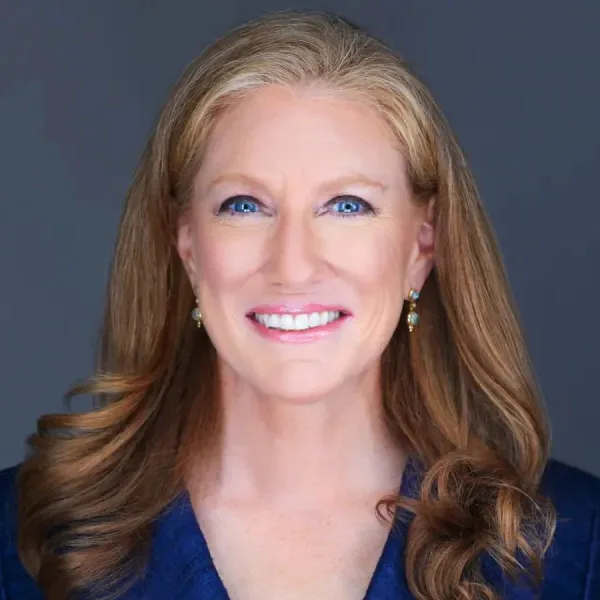
Big thanks to Jenny Harrington for joining us today. To learn more about Jenny and her asset management firm, visit Gilman Hill | Asset Management. Grab yourself a copy of the book Investment Wisdom For our friends and loved ones
Doug’s Trivia
- What famous American memorial was dedicated on Veterans Day, November 11th, 1982?
Have a question for the show?
Want more than just the show notes? How about our newsletter with STACKS of related, deeper links?
- Check out The 201, our email that comes with every Monday and Wednesday episode, PLUS a list of more than 19 of the top money lessons Joe’s learned over his own life about money. From credit to cash reserves, and insurance to investing, we’ll tackle all of these. Head to StackingBenjamins.com/the201 to sign up (it’s free and we will never give away your email to others).
Other Mentions
Join Us Friday!
Tune in on Friday, when we explore why Americans are feeling more confident about retirement despite being less prepared than ever, and share strategies to close the gap.
Written by: Kevin Bailey
Miss our last show? Listen here: Year-End Money Moves: What to Do Before December 31 So January Doesn’t Suck (SB1921) | Stacking Benjamins
Episode transcript
[00:00:00] OG: We are back. We are back. We are getting Doug back
[00:00:06] opener: And we’re the three best friends that anybody could have. We’re the three best friends that anyone could have. We’re the three best friends that anyone could have, and we’ll never, ever, ever, ever, ever leave each other. We’re the best three friends that
[00:00:27] Doug: Live from Joe’s mom’s basement, it’s The Stacking Benjamins Show
[00:00:42] Doug: I’m Joe’s mom’s neighbor, Doug, and have you ever wondered if the moves financial experts pitch are actually their best advice? Today’s mentor asked a bunch of these money pros what advice they’d give to their own family members. What was their best advice? And better yet, was it different than what they’re usually sharing?
[00:01:03] Doug: Plus, we’ll help one stacker who said, “I’d better call Saul.” C Hi and OG. Today’s question: A stacker has an orphan retirement plan at an old job. He was thinking about moving it, but there’s a twist. What should he do? We’ll hear the twist and help him make the right choice. And then I’ll share some choice grade A trivia.
[00:01:24] Doug: Somebody’s gotta do the heavy lifting on this podcast. And now, two guys who think lifting heavy objects means two cups of coffee on a Wednesday morning. It’s Joe and O JJ- GG.
[00:01:42] Joe: Hey, hey Stackers. Happy Wednesday, and, uh, that is some heavy lifting, Doug. And lifting I don’t do that much anymore. You know, the caffeine thing is a real deal. Oh, gee, I saw a comedian just a couple days ago talking about back in the day he used to drink Diet Cokes, and then he found out about cold brew coffee.
[00:02:00] Joe: Going from 30 milligrams of caffeine all the way up to, like, 500 milligrams. And he’s … And as he’s on stage he’s talking about how, uh, everybody seems nervous and rattled, and it’s because of the number of people doing cold brew. Cold brew, your way to start a morning?
[00:02:17] OG: No, but I have a funny story about something similar.
[00:02:19] OG: It’s kind of, I don’t know, midway through the spring season. You know, Caroline’s playing softball. They have late afternoon games, evening games. Sometimes you get that 7:30 game that just kind of, it’s kinda late- Oh, yeah … you know, for a fourth grader- Oh … in my opinion. Mm-hmm. But she’s getting home, and she had a good game.
[00:02:36] OG: And so, you know, as a treat they stop at Starbucks sometimes. She’s drinking this, uh, Refresher, Dragon Fruit Refresher. And I just kinda look at it, and I look at her, and I look at my wife, and I’m like, “You think it’s a great idea to be dumping a bunch of caffeine down our 10-year-old at 9:30 at night?”
[00:02:56] OG: And Alyssa goes, “Oh no, there’s no caffeine in this.” I’m like- Oh.
[00:02:59] Doug: Oh boy … “
[00:03:00] OG: Oh, it’s from Starbucks, there’s caffeine in it, I assure you.” Oh, yeah. And she’s like, “No, it’s just got green tea. It’s totally fine.” It’s like, hold on, let’s Google that real quick. It is like, you know, 270 milligrams of caffeine in this large drink- Mm-hmm
[00:03:13] OG: that my 10-year-old’s drinking. I’m like, “I think we’ve narrowed down why she can’t sleep until 1:00 AM.” It’s, uh,
[00:03:19] Joe: that’s as sick as 1:20 in the morning and your daughter’s tapping both of you- Yeah … in, in bed going- Hello … “Hey, can we sit up and have a chat about something?”
[00:03:27] OG: Yeah.
[00:03:27] Joe: I was thinking- Yeah … I’d finish my homework right now and, uh-
[00:03:29] OG: Like, we probably wanna give her the caffeine before the game.
[00:03:33] OG: So we don’t do that anymore. That was, uh … it’s like, it’s kind of a more innocent story than the guy who was at the baseball park and gave his, like, eight-year-olds a bunch of Mike’s Hard Lemonade.
[00:03:42] Doug: Oh, yeah.
[00:03:43] OG: You know? Yes. Because he’s like- Yeah … “I just bought ’em lemonades,” and his eight-year-olds are getting, like, just
absolutely-
[00:03:46] Doug: Which ho-
[00:03:46] OG: honestly, that one I can
[00:03:47] Doug: forgive.
[00:03:48] Doug: Like, I could see if you’re
[00:03:49] OG: not- Oh, 100%, yeah. You just- Yeah … you know, if you didn’t know, you’re not, you know, that’s not your jam, you wouldn’t know that.
[00:03:54] Joe: Right. Why’s my kid acting all weird?
[00:03:56] OG: Why is everyone sleeping? Guys, come on. Wake up. White
[00:03:58] Doug: Claw sounds pretty innocent, too.
[00:04:00] Joe: Yeah, that’s right.
[00:04:03] OG: Irish car bomb, that sounds delicious.
[00:04:07] Doug: Dude, you can’t
[00:04:07] OG: actually- Let’s have that, kids. Jägermeister tastes like black licorice.
[00:04:11] Joe: Yeah. I mean, what kid doesn’t like going to Manhattan? We’ve got a great show today. Uh, Jenny Harrington joins us. She’s part of a duo. She and Rebecca Patterson have this great new project where, as two Wall Street industry insiders, they went to some of the biggest money managers and biggest financial advisors and said, “Hey, what advice do you give your family members?
[00:04:38] Joe: Is that the same advice the rest of us get?” ‘Cause you know we’re all thinking, oh, gee, is, is there something behind that wall? Like, you know, the builder builds the house for them, it’s different than the house they built for you.
[00:04:49] OG: That’s right.
[00:04:50] Joe: Can’t wait to talk to Jenny Harrington about that. She’s upstairs talking to Mom right now, and I think this is gonna be an important conversation for a lot of us.
[00:04:57] Joe: What does good advice look like? What advice do good advisors give to family members. You know, the stuff that they really, really need to know. Such an important discussion, and can’t wait to talk to Jenny about it. So who is Jenny Harrington? She’s the chief executive officer of Gilman Hill Asset Management, an investment management firm located in New Canaan, Connecticut.
[00:05:19] Joe: She’s also a portfolio manager for the firm’s flagship equity income strategy, which she created and has managed since its inception. She started as an analyst at Goldman Sachs Private Client Services Group, and she is one of the nation’s most sought-after experts on dividend investing. Uh, her partner, by the way, in this project, who happens to be on a plane right now, Rebecca Patterson, she used to be chief investment strategist at a little place, OG, called Bridgewater Associates, which, for those of you that don’t know, when I say little place, that’s a little tongue in cheek ’cause that is the world’s largest hedge fund.
[00:05:57] Joe: And she also is a senior fellow at the Council on Foreign Relations and an independent director at a little place called Vanguard. So we’ve got a dynamic duo who did this project, and glad we got Jenny with us here today. All right. Jenny’s on her way down to the basement. While we get her set up at the microphone, we’ve got a couple sponsors who help us keep on keeping on, make sure all of this, these great mentors that we bring to help you make better money decisions, that that’s free.
[00:06:25] Joe: We’re gonna hear from them, and then Jenny Harrington joining us to talk about what advice do professionals actually give to their family. I’m super happy to see so many people using FieldKit Finance. Let’s help you roar into 2027. Here’s a way to get 2027 off to a great start. Use better tools. We designed FieldKit Finance so it’s easier to combine your love of budgeting, tracking net worth, and protecting your credit, and doing it all in one place instead of having different apps.
[00:06:58] Joe: Head to fieldkitfinance.com to sign up and roar into 2027. That’s fieldkitfinance.com.
[00:07:12] Joe: And I’m super happy this woman’s on her way to mom’s basement. Jenny Harrington’s here. How are you?
[00:07:17] Jenny: I’m great. Thanks for having me. Awesome basement.
[00:07:21] Joe: You don’t get to say that much when you’re on a book tour- … do you? Awesome basement. I wanna just start off with a story, if you don’t mind, because I think this story, Jenny, really kinda sets the whole scene of what we’re gonna talk about.
[00:07:34] Joe: Tell me about Caroline.
[00:07:36] Jenny: Caroline’s a friend from college.
[00:07:38] Joe: Yeah.
[00:07:38] Jenny: The funny thing is it’s also a story that almost everyone in the investment business shares. So my friend Caroline, three years ago, her husband died, and it was totally unexpected, and he just died. You know, fit, healthy, perfect, prime of his life, heart attack, gone.
[00:07:56] Jenny: Caroline’s incredibly sophisticated, educated, runs in sophisticated crowds, worked in a business where she was surrounded by the investment masters of the universe, the private equity guys and the hedge fund guys all day, but she just happened to be on a slightly different side of it where she wasn’t on the investment side.
[00:08:15] Jenny: And she realized, “Holy smokes, I don’t actually know that much or anything maybe about investing itself, and now all of this weight is on me.” And she came to me and she said, where, like, “Can you help me start?” And I was like, “Yeah, of course I can. Of course. You know, no problem. I’d love to.” And it was the first time when I was asked the question with that level of like seriousness and sobriety that I realized, “Wait a minute, I don’t really have a great starting point for you.”
[00:08:42] Jenny: Hmm. “I don’t have one book to give you. I don’t have one great podcast. You know, I don’t have one starting place.” So I said, you know, “Read this book, but read this chapter. Listen to this podcast from minute 45 to, you know, minute 100- Yeah, yeah … whatever.” And it was just a mosaic of things, and that really surprised me and took me aback.
[00:09:00] Jenny: And then over the next year or so, I’d be talking to my friends in the investment business, and they’d say something really, really smart, and I’d think, “You know, this is so unfair that I’m the one who gets to hear this, because I already know this.” ‘
[00:09:11] Joe: Cause Caroline needs to hear it.
[00:09:12] Jenny: Yeah. Yeah. I wish Caroline could hear it.
[00:09:13] Jenny: Like, “Oh, that’s so smart. I wish Caroline could hear it.” And I also realized how not unique that conversation was. You know, like most people’s husbands don’t die at that age.
[00:09:23] Joe: No.
[00:09:23] Jenny: But most people end up having that same question and that same realization at some point.
[00:09:27] Joe: A couple things strike me. Number one is you have this very successful friend surrounded by great people- Yeah
[00:09:33] Joe: but no, you know, personal finance education. I feel like, Jenny, like the world just expects us, well, if you’re smart over here, the personal finance is gonna be easy, when it truly often isn’t.
[00:09:45] Jenny: Right. And it’s funny because one of the chapters in the book written by my friend Karen Finerman is about knowing when to sell.
[00:09:52] Jenny: She was debating initially, “What should I write about? Should I write about knowing when to sell?” Which is important, and that’s what she talks to her friends about, because it’s bigger than just selling, right? Sure. It’s a whole- Yeah … philosophical conversation. Or the other idea she had was, um, writing a chapter about like you didn’t miss the class.
[00:10:09] Jenny: Because as she says, all of her friends come to her and they’re like, “Oh, shoot, I think I missed the class.” Like, there is no class. There just isn’t, unless you go to Columbia Business School, and even in Columbia Business School you need to be in the investing program, right? Not marketing, not service operations, you know, not, nothing else.
[00:10:29] Jenny: Like, unless you’re in the value investing program in business school-
[00:10:33] Joe: I remember talking to a friend of mine about this very topic. Yanaly Espinal, she’s a phenomenal woman, works with NEFE, the group that goes in, the nonprofit group that goes in and teaches people about money, and she told me, Jenny, every single class she took she got an A.
[00:10:49] Joe: She was an all A student. Her entire life she’s been an all A student. She’s like, “If there were a class about money, I would have aced it. And because there wasn’t, but society has all kinds of expectations, I go into the real world and now I have credit card debt, I don’t under- you know, my portfolio’s a mess.
[00:11:04] Joe: Is a target day fund good or bad? Like, what do, what do I do with this mess?”
[00:11:09] Jenny: Right. One of the things about this book, all of our authors’ profits are being donated to the Council for Economic Education and the Boys & Girls Clubs of America. And what the Council for Economic Education does is it advocates at the state level for economic and financial literacy to be a high school requirement.
[00:11:27] Jenny: It should be. Like, that’s- Yes … how is it that not every state already has that? I know. It’s insane. And then the other thing is they teach teachers how to teach economic and financial literacy. And I’ve been involved in this organization for a long time, but you see it, they always bring students to events, and the students will say things like, “Once I, you know, did the Council for Economic Education’s programs in school through my teacher who taught me whatever, I was able to have these conversations with our family, and in our family prior to that money was taboo.
[00:11:56] Jenny: We didn’t talk about it, and it changed our family’s entire trajectory.” And I’ve just heard that story so many times, and I’ve realized this ability to speak money, it’s the ultimate equalizer. And our book is, it’s really more investment. It’s not financial literacy. It’s not, you know- Sure. Yes … hey, hey, guys, don’t buy a Starbucks.
[00:12:14] Jenny: You know, it’s not that. Um, we’re letting other people do that. But it really is investment. But it’s, it’s the whole thing. It’s economics. It’s finance. It’s investment. But if you can get some of that vocabulary in a functional way, like, holy moly, the playing field levels out.
[00:12:31] Joe: You say that, by the way, don’t buy a Starbucks, while I’m sitting here with a…
[00:12:34] Jenny: Well, no, I’m saying I’m not saying don’t buy a Starbucks. I know. Like, have your Starbucks. Just put five bucks- I know … in your, in your savings account too or in your investment account too.
[00:12:41] Joe: No, but there are so many books that say that, and I’m like, do I put this on the screen? Do I not put it on the screen?
[00:12:45] Joe: I don’t… No, I’m kidding. So this question you gave contributors, because you’ve alluded to it a couple times, was what investment advice would you give to somebody you love who isn’t a pro, right? Somebody who’s smart like Caroline is- Give to someone you love, though, was part of the equation. How do the words someone you love change the answer?
[00:13:09] Jenny: We were laughing about this just yesterday, how the title was not as easy to concoct, right, as one would think, because we wanted to do just investment wisdom. And then we’re like, “No, no, it needs a little bit more,” you know? Yeah. And then it was like investment wisdom for someone I love, but then the publishers told us that sounds creepy and romantic.
[00:13:28] Jenny: I’m like, “But that’s what we asked the contributors. That’s what we asked everyone, write to someone you love.” Um, so then we have, you know, friends and loved ones. And then friends and family sound like a coupon for 50% off. So anyway, but we really did say, like, “Write to someone you love,” and you’ll see there’s different tones in each chapter.
[00:13:46] Jenny: Nana Adye’s chapter, for example, it’s very clearly written to her nephews. Kate Battis’ chapter is written to her twins, a girl and a boy. Nancy Mayer’s chapter is written to her grown granddaughter. And you can see, I think when you read mine where it’s about vocabulary, mine’s, like, really to my friends.
[00:14:01] Jenny: Like, it’s re- And you feel that. Like, it’s not… It’s not even to my kids really. It’s, like, my friends, which is like, “Hey, you just have to start with the vocabulary.”
[00:14:10] Joe: You were surprised, by the way, kind of as I was, how many pieces of advice are there for friends and loved ones? This is gonna be 25 chapters that are,
[00:14:20] Joe: that are kind of the same five chords over and over and over like a basic song. Totally. But, but I was surprised, and I know the two of you were, when you got this, this beautiful quilt throughout the book of these different points of view and different people you’re talking to.
[00:14:38] Jenny: Beautiful quilt? I’m gonna latch onto that.
[00:14:40] Jenny: Yeah. Steal it. And, and that’s like- Steal it … in my mind how I think of it. Actually, you know, I know we’re sitting here in your mom’s basement, but prior to coming to your mother’s basement, I was driving my mother to the voting booth. This is so weird, and it’s an aside, but we live across the street from each other, yet we had to go to two different voting booths.
[00:14:55] Jenny: And so I gave her the first copy of the book. She started reading it while I was in, and she’s like, “Oh, Jenny.” She basically said it’s a beautiful quilt too, and she was surprised too by how, just reading the chapter titles, how many different chapters there were. But I truly thought, I’m like, “Okay, I’m gonna experiment with this.
[00:15:12] Jenny: We’ll- you know, I’ll ask a few people. We’ll see what we get back.” But I thought every single one was going to be like, “First, you need to consider your cash needs.” Right. Then you need to think about your risk tolerance. Like, then you need to figure out if you’re a growth investor-
[00:15:25] Joe: Right …
[00:15:25] Jenny: you know, or if you’re gonna be an emotional investor.
[00:15:27] Joe: By timelining out your goals and,
[00:15:29] Jenny: yeah. Right. Then you need to set your allocation. I thought everyone was gonna say that, and it is like, I mean, there is, there’s themes that recur. You know, you see people do re- repeatedly touch on you need to figure out your cash. There’s a lot of theme of, like, risk, you know, and how different people think of risk and manage risk.
[00:15:47] Jenny: There’s a lot of themes of, like, behavior, but besides that, there is little cohesion between the chapters, which I think is good because you can’t really get bored.
[00:15:55] Joe: No. No, you can’t. It’s
[00:15:57] Jenny: not monotonous.
[00:15:58] Joe: It is. It’s great for me. I have ADD, so you finish up a chapter, and you’re onto, you’re onto a whole different piece of advice.
[00:16:04] Jenny: Yeah.
[00:16:05] Joe: Let’s talk about a couple of the stories. Whose story really made you, after doing this, Jenny, for 25-plus years, I mean, the experience both you and Rebecca have in the financial markets and in your careers is just incredible. But, but what chapters made you go, “Huh, I think I need to think about that a little differently”?
[00:16:25] Jenny: The ones that really kind of, like, rocked me, where I’m like, whoa, I’m almost crying, you know- Mm-hmm … and I didn’t expect to cry was Kate Faddis’ chapter, where she’s talking about how her family had this really significant event, and their whole life reset. Her whole perception of risk changes, right? And, and, like, needing to have a security.
[00:16:48] Joe: We won’t spoil the whole book, but let’s go ahead and- Yeah … tell everybody what Kate’s chapter is about. What was the event?
[00:16:55] Jenny: It was the Coumouana, and her family was living there, and, like, the kind of ground fell out- Yeah … from under them, and really went from a very cushy life to, like, holy cow, everything, everything’s changed.
[00:17:05] Jenny: That’s interesting.
[00:17:06] Joe: And scary.
[00:17:07] Jenny: Yeah. My family are Holocaust survivors, you know, and I grew up with my aunts who lost their families in the concentration camps. Maybe that chapter hit me even though I was a generation technically removed from it. I know that same thing happened to our family way back.
[00:17:23] Jenny: This is getting really personal too, but I have a number of gay clients who are old, right? Like in their 70s and 80s. They’ve been together since you couldn’t be out and open about it, and society would ostracize you. And I think whether you’re taking Kate’s family’s experience in Ghana, you know, or my family’s experience in the Holocaust, or people who are gay in their 70s and 80s, all of us who’ve had these things, like you see money as a major source of protection from the outside world getting really ugly on you And so I think it’s just interesting how some of these chapters you see, like money’s the bubble, you know, and money creates the bubble that can keep you safe in a really ugly world.
[00:18:01] Joe: It is wild to think about this piece of paper that by itself has no value, all of a sudden has this entirely place that’s much, much bigger than money, to your point. It represents safety. It represents freedom. It represents this protection, flexibility that I wouldn’t have if, and a lot of people don’t have if they don’t have that money.
[00:18:23] Jenny: Right. And then another chapter that really I felt like rocked me emotionally was also Bryn’s, where she’s writing to her younger self, and she’s telling her younger self, “Invest in yourself. And investing is so much bigger than just money. You know, like make sure that you’re healthy. Make sure that you’re emotionally good.
[00:18:40] Jenny: Like, make sure that you’re also financially good.” Like, all three of those are serious investments, and no one can stand on its own. And if you don’t have all three of those investments, like the others aren’t really useful, you know? I actually hadn’t thought of this until just now, but like she’s really building the three-legged stool.
[00:18:56] Jenny: She really is. You know, you need all three legs of the investment- Yeah … in your physical health, your mental health, and your, and your financial health to actually have the stool keep standing.
[00:19:05] Joe: That is funny because, you know, when we talk about the three-legged stool, people like you and me, we’re talking about Social Security, pension programs.
[00:19:12] Joe: But I think this three-legged stool you’re referring to, Jenny, is maybe more important than that three-legged stool.
[00:19:18] Jenny: Maybe. And you know, truly, like I hadn’t thought about that until just now. So hey. Go us. And then Shannon Sikos’ chapter, which is three reasons why you should invest, and she says because you can, you you must, and you care, you know?
[00:19:33] Jenny: And I think the care part’s interesting, where she really gets into it, and she’s like, “Look, you might wanna invest in a friend’s business, you know, or in your own business.” And it’s just, it’s an interesting way of framing it and thinking about it in a much more, like real, you know, again, not just like, first you need your cash.
[00:19:50] Jenny: Then you need your allocation. Then you need your risk tolerance.
[00:19:53] Joe: Well, and what I liked about that story too was how the stakes got higher over time. Invest because you can. Okay, yes, I can. But invest because you must, all of a sudden now the stakes are higher. I have to invest if I’m going to retire. I remember, you know, Suze Orman telling me, “If you think you can’t invest now when you’re 35, imagine yourself at 65, and you’ve done nothing,” right?
[00:20:17] Joe: You must invest. But then the stakes, I think get even higher when you say, “Because I care,” because now we’re not talking about you. We’re talking about your community. We’re talking about something bigger than you. Yeah. And investing so you can affect the world around you is a much more powerful thing.
[00:20:33] Jenny: Yeah. Uh, you should do the PR for this book You’re really on point with these deep thoughts. I love it. I
[00:20:38] Joe: don’t… Well, you can tell that I really enjoyed it, and I love the fact that so many professionals have such a, this winding road of discussions about money. Uh, you have a story from Goldman Sachs that I’d love you to tell.
[00:20:52] Jenny: Yeah. So when I was at Goldman, first I was in Private Client Services from like 1997 to 1999-ish, and then I moved into this internal strategy group that sat on top of the Chinese wall, and we tried to cross-market the investment management division with the investment banking division. Wow. So when investment bank division was bringing IPOs, rather than letting all the wealth go to be managed by Morgan Stanley, the job was to say, “Hey, banker, talk to wealth manager and get that client to stay here.”
[00:21:20] Joe: So it’s like- I was gonna say, can we talk about it briefly ’cause a lot of our Stackers have no idea what the Chinese wall-
[00:21:24] Jenny: Oh, yeah … is or means. Sorry, sorry. Here I am- Yeah … saying I’m not gonna do any jargon, and then I’m right there. Yeah. The Chinese wall basically separates the different sides of the business.
[00:21:33] Jenny: So if a company is going to do an IPO or a merger, you know, or something like that, that’s just totally private, and nobody can know about that. So the Chinese wall separates the really private, non-public information from everything else. So if you’re an investment manager, no one else should know that whatever company’s about to do some kind of…
[00:21:54] Jenny: What, what would you say? Like, what’s the right, nice way of saying it, like corporate action or-
[00:21:57] Joe: Yes,
[00:21:58] Jenny: right … something that you shouldn’t know about- Yeah … some kind of wealth creation.
[00:22:00] Joe: So sitting on top of that is, you can tell Stackers, is a very difficult place to be.
[00:22:05] Jenny: Yeah. The funny thing, Joe, is that was 2001, right?
[00:22:08] Jenny: So there was a lot of wealth creation in the pipeline that never happened.
[00:22:13] Joe: Oh.
[00:22:14] Jenny: But it was super interesting. I’d always been on the investment side, right? Private Client Services was working with wealthy clients and families to manage their portfolios, you know, and to build their wealth. When I went into that group where I was straddling the investment management division and the investment banking decision, like, I didn’t know anything about investment banking, like, other than, oh, they help companies come public, and there’s mergers and acquisitions and leveraged buyouts.
[00:22:42] Jenny: Like, that was my full extent of investment banking language. But the investment bankers would come to me, and they’d quietly say, “I don’t know how to allocate my retirement account. Can you help me?” And at age, what was that, 2001-ish, so I was 26, I’m like, “Oh, my God. You’re a Goldman Sachs investment banker, and you don’t know anything about investing.”
[00:23:06] Jenny: And as you and I, Joe, know, like, of course they don’t. It was a different class. It was a different life experience. E- even if you’re an investment banker, investing is different than investment banking. Everyone expects like, oh, everyone who works at a bank, everyone in finance, like, th- they must know about investing, but it’s a very, very narrow, small, kind of niche-y thing.
[00:23:29] Jenny: I don’t expect to know how to do my own brain surgery.
[00:23:32] Joe: Right, yeah.
[00:23:33] Jenny: Like, that, that’s, that’s maybe a little- … whatever. Maybe what’s a more routine medical procedure? That’s really
[00:23:38] Joe: deeper. Sure, to do even, uh, teeth cleaning, you know- Yeah … or, or whatever.
[00:23:41] Jenny: It really enlightened me, though, on how niche knowing about investing is, and how silly it is that there’s this broad expectation that everybody should know about it, and frankly, that people are embarrassed to admit that they don’t.
[00:23:55] Jenny: That surprised me.
[00:23:56] Joe: I can’t imagine, as young as you were at the time, the courage it took for somebody to come to you and go, “I have no idea. Can you help me?”
[00:24:05] Jenny: Yeah. Yeah.
[00:24:06] Joe: But it is when you get that type of courage, and this is a theme, Jenny, that we try to talk about a lot on the show with our stackers. It’s just that when you have that courage to go find somebody who you know is really good at this thing, to go ask them, even though you might feel some shame, you might feel overwhelmed.
[00:24:24] Joe: I don’t think I’ve ever heard anybody go, “Man, I wish I hadn’t taken that step.” Yeah. Like, “I wish I hadn’t, I hadn’t reached out.” Yeah. By the way, how flattered are you that you’re gonna be able to help a friend who’s in need as well? Yeah. Like, I’m, I’m sure you were excited to help them.
[00:24:39] Jenny: Always, and I still am, and I joke with my friends who ask me the same Caroline question all the time.
[00:24:45] Jenny: I’m like, “I love using my powers for good.” I love to help my friends, and I don’t care if it’s 75,000 or 150,000. Like, I love that I can help. There’s a chapter in here by Jamie Franco, and it’s The Power of Teams. People also think, “Oh, I should just be able to do this,” but you shouldn’t. I mean, there’s few professions, there’s few anything in life where you’re better off on your own, and one of my big realizations over the last few years is that I’ve always had a financial advisor, and it’s my partner, Greg, and it never really occurred to me that I had that.
[00:25:17] Jenny: But the reason I’ve gotten through the financial crisis, and the pandemic, you know, and all the panic attacks that the market’s had in between is because I have a team, you know, where I can go and ground myself, and ask questions, and say, you know, “This is too scary,” and blah, blah, blah, and have that, you know, that sounding board.
[00:25:34] Jenny: But I, I really believe more and more, like, this isn’t an endeavor that should be taken alone or in a silo. And Joe, like every one of your listeners, you’re part of their team.
[00:25:45] Joe: Yeah. They’re like, “Yeah, guy in my basement helps me with my money,” which is- Maybe not something you brag about. We love playing games at Stacking Benjamins, so if you will indulge me, I wanna play a little game that kind of puts a pin in some of the points that you’ve been making.
[00:26:01] Joe: I’m gonna throw investment terms at you, and you tell me with your expertise this is a must know, this is a nice to know, or this is a, oh God, please go outside and just enjoy life.
[00:26:14] Jenny: Okay, love it.
[00:26:15] Joe: Just, just forget about it. So which one of these do we need to know? Compounding.
[00:26:20] Jenny: Yeah, that’s a must know.
[00:26:22] Joe: How come?
[00:26:23] Jenny: Building the vocabulary and compounding is kind of what I lead with. I think philosophically, because compounding works in both directions too, all of the concept of investing is built upon the math and the magic of compounding. And I’d imagine that your listeners already know, you know, compounding probably inside and out, but if you don’t understand the fact that if you invest $100 and it grows at 7%, it doubles every 10 years.
[00:26:49] Jenny: Like, if you don’t fundamentally, deeply, completely understand that, then investing can become like a game, right? And then it can become gamified. You can speculate. But if, if you can understand how, like, just that recurring growth over time, and we know it’s not a straight line, but if you can understand how that’s real, then you can build off of that.
[00:27:10] Jenny: And funny that you led with compounding because I just made my 17-year-old son come sit down at my desk. Wait, do you mind if I go on or do you want me to be shorter?
[00:27:18] Joe: No. No, no, no, no. Okay. ‘Cause I love this story.
[00:27:20] Jenny: I’ll riff for just a sec. But I made him sit down at my desk because I asked him, “Do you know what compounding is?”
[00:27:25] Jenny: He’s like, “Yeah, of course I do.” You know? And I’m like, “Okay, explain.” Dumb mom. He’s like, he’s like, “Things increase.” I’m like, “Bad answer, buddy. Get out a pen.” So I had him write down 17, like age 17, 18, 19, all the way to 24, and I had him write down $1,000, right? And then I had him take out this calculator, right?
[00:27:45] Jenny: My old-school calculator. ‘Cause I know if you do it by hand it, it sticks. And then, so it was like 1,000 times one plus one and whatever, and he was basically at $2,000 in 10 years, and he saw that. And then I said, “Okay, if money doubles every 10 years at 7%, then it doubles every seven years at 10%.” So I, then I had him write down 17, then seven years later, 24, 31, 38, and then I had him double that two- 2,000- By the time he was 67, it was $256,000.
[00:28:15] Joe: Yeah, yeah.
[00:28:16] Jenny: And the problem with compounding is those numbers seem so big that they’re s- they seem fake. Yep. But they’re real. And then I’m like, “Jack, look,” you know, to the point of the Starbucks before, I’m like, “You’re working at the grocery store right across the street. If you’re earning $4,000 a year, like waste $2,000, I don’t care, but put $2,000 in a Roth IRA.
[00:28:33] Jenny: And if you can do that this year and the next year and the next year and the next year, just four years while you’re a little and you have no kids and no car payments and no gas and no insurance, you will have over a million dollars by the time you’re 70.” If you can understand that concept, everything changes, including, like you don’t need to be austere.
[00:28:52] Jenny: You just need to save a little. And you can understand saving early has a huge impact, and you can understand, you know, not saving $2,000 just costs me $256,000 when I get old. So yeah, to me, that is the foundational concept, and I probably just wasted all the time on your show. No. Sorry
[00:29:08] Joe: if you edited it out.
[00:29:09] Joe: No, no, no, ’cause that, well, that’s a lesson I think we all need to learn. I think he was fired up. He must have been fired up.
[00:29:14] Jenny: Uh, he wouldn’t give me the satisfaction if he was. I guess it was- But I did see a spark when I made him do like, “Okay, if I do $2,000 a year, what’s 256 plus 256 plus 256?” He’s like, “Oh.”
[00:29:27] Joe: Oh, two
[00:29:27] Jenny: commas. “2,024?”
[00:29:29] Joe: Yeah.
[00:29:29] Jenny: He’s like, yeah, but fired up. And he went, he, he, like and he’s a good kid, but he wouldn’t give me that.
[00:29:34] Joe: Well, and the reason I say that, a friend of ours, uh, Gene Natoli, who works with kids, and he has joint partnerships with University of Pittsburgh and Carnegie Mellon in Pittsburgh.
[00:29:44] Joe: He said, Jenny, that whenever he talks to kids about don’t get into debt, they kind of roll their eyes, you know, okay, okay. But when he talks about that Roth IRA thing that you just mentioned- Mm-hmm … he’s like every teenager he talks to, when he finds out how easy it is for them to become a millionaire- Right
[00:30:01] Joe: just through compounding, like it is, it’s the thing that the light finally turns on. Yeah. And he th- he thinks, his theory is that keeps them out of debt. So while his parents were often leading with the stick, “Don’t get into debt”-
[00:30:13] Jenny: Right …
[00:30:13] Joe: he’s like, “Lead with a carrot, and the lack of debt will follow.”
[00:30:17] Jenny: Right, and then again, it just like changes the way you think about everything.
[00:30:21] Joe: Yes, yes.
[00:30:23] Jenny: And what Jack was worried about, interestingly, one of the reasons he didn’t wanna do it was ’cause he thought it was going to make him feel guilty every time he, you know, pisses away money on something. Oh. ‘Cause he’s like, “No, if you make me do this, then I’m gonna feel bad every time I waste money.”
[00:30:38] Jenny: And I’m like, “No, no. I think it’s gonna be the opposite, which you’ll see how little you need to do and how much that lets you, you know- Yeah … live life like the rest.”
[00:30:45] Joe: Yeah, it gives you freedom to do whatever- Mm-hmm … and then Mom’s happy ’cause your goals are covered. Uh, next one, asset allocation.
[00:30:53] Jenny: Asset allocation is important, but it can be outsourced, right?
[00:30:58] Jenny: So, so I feel like, you know, you have to know the compounding, but if you’re like, “I don’t know, that sounds pretty miserable,” you know, you can just say to someone, you know, if you do have an advisor, right, you can say to someone like, “Here’s what I need. Make it happen.” You know, and they can say like, “Well, you need this much cash, you need this much bonds, and you need this many stocks to get to where you’re going.”
[00:31:18] Jenny: That’s all it is, is figuring out the right mix, you know, to get you down the road and, and also what mix you need psychologically for, you know, if you’re like a pedal to the metal- Right … you know, growth-y person or if you’re gonna spazz out and, you know, freak out during the down times, and do you need, do you need a safety component?
[00:31:34] Jenny: Um-
[00:31:34] Joe: That’s one of the first terms that just drives me crazy. The term asset allocation makes it- Yeah … sound hard, and it’s not nearly as hard as it sounds, so I feel like there’s some barriers to entry on some of these terms. Mm-hmm. All right, next up, it’s expense ratio.
[00:31:50] Jenny: That’s a hard one. I feel like you need to have an idea of what that means because you’ll get ripped off if you don’t, right? And so it’s kind of when you asked me, like are you thinking of it in terms of like the whole account, like what if you have an investment advisor, or if you’re a do-it-yourselfer and you’re looking at funds.
[00:32:10] Jenny: If you’re a do-it-yourselfer, it’s an absolute must know, you know. But I think even if you have an advisor, you kind of have to know too, or you’re just gonna get hosed. Yeah. And you need to know that like VOO, Vanguard’s S&P 500 fund, has an expense ratio of .06, right? Or is it even lower now?
[00:32:30] Joe: Yeah.
[00:32:31] Jenny: And that SPDR’s, right, which is the, uh, like the State Street’s S- the same exact fund, what’s the…
[00:32:37] Jenny: Do you even know what that one is right now? It’s like- No, but you’re paying- … terrible …
[00:32:39] Joe: you’re, y- you’re paying a bunch more for it, though.
[00:32:41] Jenny: You’re paying a bunch more, and you’re getting the exact same thing. So I feel like, look, you’re gonna make money in either case, but why get ripped off? So what’s a good analogy to expense ratio?
[00:32:53] Jenny: Like, is it that you’re paying, like, what, five bucks for a Starbucks and two bucks for a Dunkin’ Donuts? Like, you should know. Yeah. You should just know what each one’s costing you.
[00:33:05] Joe: It’s, uh, .095 by the way. I looked it up. Okay. So it’s a third… And, and now everybody’s like, “Okay, .6 versus .95.” It’s
[00:33:12] Jenny: a
[00:33:12] Joe: third higher.
[00:33:13] Joe: Negative
[00:33:13] Jenny: compounding.
[00:33:14] Joe: It’s a third higher. Right. Like, th- that is not, even though it’s one third of a percent, it’s 33% higher.
[00:33:20] Jenny: Right. And you play it out over 50 years of investing and like you just gave someone several thousand dollars for doing nothing.
[00:33:28] Joe: Um- Right. I will pay, I will pay for value, but why pay?
[00:33:31] Joe: But if- Right, why pay … if you’re not
[00:33:32] Jenny: getting
[00:33:32] Joe: anything for it. Yeah.
[00:33:33] Jenny: And I guess, you know what, if we are analogizing, like maybe the Starbucks versus Dunkin’ Donuts coffee really is the right analogy. Is it, is Starbucks really that much better? You know, but you should know. You should at least know.
[00:33:47] Joe: You-
[00:33:47] Jenny: And if you choose to pay for the Starbucks, make it a conscious decision, right?
[00:33:51] Joe: Now you kn- Make- 100%. Yes, we talk about this with your, any strategy you have. Know what the Achilles heel is. If your strategy, Jenny, doesn’t have an Achilles heel, you haven’t looked hard enough. Correct. Like, there is one. I’m sure people doing what you do all day know this term. We hear about it every time we talk about the Fed, the yield curve.
[00:34:12] Joe: Do we need to understand the yield curve?
[00:34:15] Jenny: Uh, I feel like you do, but not from an investment perspective as much. I think you do because the yield curve influences what your mortgage is going to be, you know, what your credit card rate’s going to be, and what your auto loan’s going to be. So you kind of need to know if interest rates are going up.
[00:34:33] Jenny: You know, if they’re coming down, it’s not that critical. What do you think?
[00:34:38] Joe: No. If I walk into a bank, and this is n- not a great investment, no, but if I walked into a bank and I’m looking at CDs and I’m thinking about why the hell are they paying less for one year- Mm-hmm … than they’re paying for three months, I, I should be able to just look at that and go, “There’s something going on” Yeah And then parse from the news what’s going on.
[00:34:55] Joe: But I don’t, I don’t…
[00:34:56] Jenny: Yeah, and I think, like, it’s not on a daily basis. It’s like- Yeah … okay, if you’re buying a house, you know, and you think you’re buying a house in the next year, then it matters, or a car and you’re gonna get a car loan, like, then it matters to you a bit more. But if, you know, if you’re in a status quo kind of situation, you can tune that out.
[00:35:13] Joe: Last one for you. I want to try to get into Jenny’s world of what you do every day. EBITDA.
[00:35:20] Jenny: Okay. The average listener does not need to know about EBITDA, earnings before interest, taxes, depreciation, and amortization. Like, no, you don’t need to know about that. And frankly, you don’t really need to know about that, like, unless you are having fun and picking individual stocks and want to do really, you know, thoughtful valuation work.
[00:35:40] Jenny: But if you are, you know, if you are picking your own stocks, then you do need to know what that is, and you need to think about it, and you need to think about how it relates with respect to the price that you’re paying for that stock. But that’s not something- You know, that’s not something I’m ever gonna hope my mom knows.
[00:35:58] Jenny: And I’m not gonna force my kids… I’m gonna force my kids all day long to know compounding. I don’t care if they never know EBITDA, and I don’t really care if they never know how the yield curve works.
[00:36:09] Joe: Yeah, yeah.
[00:36:10] Jenny: Yeah, depending on what they do in life, but-
[00:36:12] Joe: Go take
[00:36:13] Jenny: a walk … compounding’s where it’s at, Joe.
[00:36:14] Jenny: Compounding’s the key- … the foundation.
[00:36:18] Joe: Well, you can tell how much fun Jenny and Rebecca had collaborating with all these wonderful professionals to do this project. It is called Investment Wisdom For Friends and Loved Ones, and it’s available, I think, everywhere, right?
[00:36:33] Jenny: Yes. So it’s available everywhere. We strongly encourage everybody, if you can, if you have one, please buy it through your local bookstore.
[00:36:42] Jenny: We’ve learned a lot through this book, and as I mentioned, all of our authors’ profits are being donated to the Council for Economic Education and Boys & Girls Clubs. And let me tell you, the authors’ profits from a local bookstore are wildly different than they are through Amazon. That’s
[00:36:56] Joe: crazy.
[00:36:57] Jenny: It’s crazy, and I didn’t know that, you know, until I wrote my first book.
[00:37:02] Jenny: And then the other thing is, too, to help us get onto any, like, best seller lists or indie lists, it’s all about the local bookstores, not to mention good for society. But really, we encourage you to buy it anywhere, and we have a website that’s investmentwisdombook.com, and there’s a link there, and it points you to, like, all sorts of places that you can buy it.
[00:37:19] Jenny: And, you know, just thank- thank you so much for buying it if you do. We are so, so grateful.
[00:37:23] Joe: And if you’re walking the dog or on your commute, we’ve got those links at stackingbenjamins.com- Yeah … on our show notes page. Jenny, it was so great getting to know you. Congratulations on a job well done. And, uh- Thank you, Joe
[00:37:35] Joe: and thank you for letting us know. We don’t n- need to know what EBITDA is all about.
[00:37:39] Jenny: No. Save your firepower for compounding.
[00:37:45] bumper: Hey, this is Joe Crane, host of Veteran on the Move podcast. And when I’m not helping veterans transition to entrepreneurship, I’m Stacking Benjamins.
[00:37:58] Doug: Hey there, Stackers. I’m Joe’s mom’s neighbor, Doug, and today is Veterans Day. And before we get to the trivia, I want to take a moment to thank all the men and women who’ve served in our armed forces. We appreciate you. Have you ever wondered why Veterans Day is always November 11th, though? Well, it goes back- Nope You haven’t?
[00:38:15] Doug: Well, some people have, OG. I haven’t. It
[00:38:17] OG: goes
[00:38:17] Doug: back well past last Tuesday.
[00:38:19] OG: I know exactly why. I know why.
[00:38:21] Joe: The
[00:38:21] Doug: fuck?
[00:38:24] Joe: Why, OG?
[00:38:25] OG: No, no, no, no. Why? No, I wanna hear Doug’s
[00:38:26] Joe: version See if you can guess it ahead of time. I wanna see if you can guess it ahead
[00:38:28] OG: of time. I know exactly why. I just wanna hear Doug’s version of how he can, how he can-
[00:38:32] Joe: This is an important history lesson, OG
[00:38:34] OG: I just knew one finally. I was just… I was like, “Ooh, pick me, pick me, pick me.” It’s like the back of the class when, like, little Johnny finally knew the answer to something.
[00:38:43] Joe: It does, though, Doug, go further than last Tuesday, further back than last Tuesday, which is, I think, what you were just saying. Yeah.
[00:38:49] Doug: I think we should just have OG do the trivia.
[00:38:53] Joe: What does it go back to, Doug?
[00:38:55] Doug: Oh, God. It goes back to World War I, Joe. On November 11th, 1918, an armistice went into effect that ended the fighting. In fact, it happened at the 11th hour of the 11th day of the 11th month, which is eerily similar to the date and time the great Oreo rebellion ended between OG and Joe’s mom here in the basement back in 2019.
[00:39:16] Joe: Oh.
[00:39:17] Doug: Oh. Thank goodness there was room enough for Joe scouting me under the card table, huh? This holiday we celebrate today has been the ball in a serious game of Congressional holiday ping pong. Listen to this. First, it was originally called Armistice Day, but in 1954 it was renamed Veterans Day, tweaking it to honor Americans who served in all wars.
[00:39:38] Doug: But of course, they didn’t stop there. In 1971, the government moved it to the fourth Monday in October as part of a plan to create more three-day weekends. Finally, government that benefits us all. But that wasn’t enough. Veterans Day returned to November 11th in 1978 to celebrate the whole 11/11/11 thingy I was talking about earlier.
[00:40:00] Doug: Turns out you don’t need Congress to create three-day weekends. You just make your own by telling your boss your pet squirrel died. Works every time with Joe. Oh, I just said that out loud. Shoot. Yeah. So ready for trivia? Let’s do it. In 1982, a very special memorial was dedicated on this whack-a-mole day, just two long walls of polished black granite engraved with the names of more than 58,000 Americans who were killed or went missing during a war.
[00:40:30] Doug: So here’s today’s trivia question: What famous American memorial was dedicated on Veterans Day, November 11th, 1982?
[00:40:39] Joe: You got that one, OG? You got that one?
[00:40:42] OG: I do.
[00:40:42] Doug: I’ll be back right after I check my calendar. I just heard a horrible rumor that they added a December 31st to the calendar. Hey, Congress, too soon.
[00:40:51] Doug: Send out a survey or something next time before you do this stuff.
[00:41:07] Doug: Hey there, Stackers. I’m recognized by Mrs. Stevens’ ninth grade history class as a leading authority on American monuments and the only guy who’s ever gotten lost on a private guided tour of the Washington Monument. Joe’s mom’s neighbor, Doug.
[00:41:20] Joe: Wait a minute, isn’t that just, isn’t that just one stairway going up?
[00:41:23] Doug: Well, I mean, I don’t know. I didn’t get that far. It’s what I get for thinking a guy in a neat blue hat standing right outside is a tour guide. In my defense, the guy only charged me 10 bucks. It was a great deal. Halfway through he said he needed 15 minutes to go look up a few more facts. Guess he wasn’t prepared for a trivia maven like me.
[00:41:42] Joe: Oh, no.
[00:41:43] Doug: Anyway, two hours later, I spotted him selling Uncle Sam top hats on the National Mall. Still waiting on the second half of that tour. Before the break, I told you about a memorial dedicated on Veterans Day in 1982. It’s made of polished black granite and contains the names of more than 58,000 Americans who lost their lives or went missing during the war.
[00:42:05] Doug: The answer is the Vietnam Veterans Memorial. Maybe equally impressive is the backstory. The memorial was designed by one Maya Lin, who was just a 21-year-old Yale undergrad student when her design was selected. I mean, that’s super impressive for someone born in Ohio. Rather than celebrating military victory…
[00:42:27] Doug: I had to. We’re coming up on the game. I had to take a shot. Rather than celebrating military victory, the memorial invites visitors to reflect on the individual lives lost. And if you’ve ever stood in front of that wall and seen the names stretching into the distance, you know how powerful that simplicity can be.
[00:42:44] Doug: So today, a sincere thank you to everyone who has served and to the families who’ve made sacrifices right alongside with them. See ya.
[00:42:54] Joe: Yeah, Monday we talked about the Korean Memorial. Man, if, if, have you guys both seen the, the Vietnam Memorial?
[00:43:00] Doug: I have.
[00:43:01] Joe: It just hits you hard.
[00:43:02] Doug: It does something different when you’re there than when you just see it in, in photos.
[00:43:06] Doug: Just- Yep …
[00:43:06] Joe: really hits you hard.
[00:43:07] OG: And the other part of it, too, that you didn’t mention, uh, Doug, so maybe just, uh- ‘
[00:43:13] Joe: Cause the trivia wasn’t long enough, Doug. The thing OG worries about is making sure the trivia is actually longer Yeah.
[00:43:20] OG: Little post script. So the thing about the Vietnam Memorial is that, you know, it’s next to a road, but it’s built downhill into that- Yeah
[00:43:29] OG: into that hill. Right, yeah So it’s completely, I mean, not completely silent, but it’s pretty frigging quiet down there- Mm-hmm … relative to how loud it is on, you know, whatever that is- Yeah … Arlington Street or something like that that’s right there.
[00:43:41] Doug: For something as simple as it is, it really, it’s almost, I don’t wanna say disorientating, but it, it, it makes you think, like, “What just happened?”
[00:43:50] Doug: Because of that. Like, when you’re, when you start walking towards it, you hear all of that road noise, and as you sort of descend and you’re in the cover of that- Yeah, just gone … hillside, it gets quiet, and everybody’s very reverent when they’re there looking at it. So it just, it is like you just walked into a, a whole nother room almost.
[00:44:07] Doug: It’s, it’s impressive.
[00:44:08] Joe: Well, and what’s wild is, is you walk along and you see that one and the Korean one we mentioned Monday, and the World War II monument there, just how different they all are from each other. They are so distinctive and so different. Uh, if you’ve never been, it is, uh, well worth the time, and what a day to do it, a day like today on, on Veterans Day.
[00:44:27] Joe: Hey, time for a segment that we call Better Call Saul, Sehy and OG. This is where we help- Mm … a Stacker in need who said, “You know what? I need some help with my financial planning.” If you have a question for me and OG, you know where you go. It’s, uh, stackingbenjamins.com/yelldownstairs or stackingbenjamins.com/voicemail.
[00:44:49] Joe: Both of them will get you right to our voicemail. Super easy to do. If your computer or, uh, phone has a microphone, then you just, uh, talk in- Your phone
[00:44:59] OG: has a microphone?
[00:45:00] Joe: If your phone has a microphone, yeah, d-
[00:45:02] Doug: You know, they do. Some people don’t even realize they can use those things like that.
[00:45:05] OG: Fun fact.
[00:45:06] Joe: I think, I think there’s some Gen Alpha people out there like, “Oh, this th- you can actually talk…
[00:45:12] Joe: Did you know you could talk on this?” It is amazing. But today we’ve got a question from anonymous, so, uh, we’re in the business of naming them after a superhero. Doug, who’s your favorite superhero?
[00:45:27] caller: Ant-Man.
[00:45:29] Joe: Ant-Man. Uh, we’ve got a call from Ant-Man.
[00:45:34] caller: Hi, Joe and OG. I recently switched jobs and now I have an orphan SIMPLE IRA with about $80,000 in it.
[00:45:40] caller: And obviously I could roll it over to a different brokerage and all that stuff, but this SIMPLE IRA does come with, uh, financial advisor services, and I get to keep that even though I don’t work for the company anymore. The annual fee on that is about $900 with the assets under management. If, based on what you’ve talked about with looking for financial advisors, um, you know, she’s really good, and if I wanted a financial advisor, I would be happy with her.
[00:46:10] caller: But my question is, do I need to keep this IRA where it is to keep access to that financial advisor? Is it worth it? I have about 1.2 million in total investable assets, and I’m usually a DIY investor following the efficient frontier and all that stuff, but maybe it’s time to maybe start considering keeping a financial advisor.
[00:46:32] caller: What are your thoughts? Also, can you tell me what it means if you can’t spell Doug without OG? That’s a mind bender. Have a great day.
[00:46:41] Doug: Oh, dude. What the… That has never occurred to me.
[00:46:50] OG: And now it never won’t. Every time you write your name somewhere for the rest of your life- … you’re gonna be like, you’re gonna send a petition to the court to just change it to, like, DUG, aren’t you?
[00:47:04] Doug: This is, this is the worst call we’ve ever had. No wonder you wouldn’t let me hear this before the show. That’s
[00:47:12] Joe: fantastic. Oh, so, so… I did not see that coming. I did not see that coming. OG, I love the fact that he wants to have good help in his corner, and he likes this person. They’ve apparently really been helpful for him in the past.
[00:47:28] Joe: How, how do you answer this? Does he need to keep the phone?
[00:47:32] OG: I have a bunch of thoughts here. Some of them are a little off-color. Uh, just, do, do you just- I was
[00:47:38] Doug: gonna say, only the clean ones, please.
[00:47:39] OG: Just, just do I go through all of my thoughts or do I have a filter, Joe? I mean, I feel like if you find a person that you vibe with, like why would you not wanna be around them?
[00:47:51] OG: If you’ve got a great whatever, if you’ve got a great doctor, do you just go, “Yeah, but every so often he s- writes me prescriptions, and that’s just kind of weird, right? So maybe I should just go to the internet and use the doctor on ChatGPT.” Like, no. Like, why would you not want to have a good person who is a professional helping you?
[00:48:15] OG: I saw this article, I don’t know if it was an article or what it was, but it was about advice. It wasn’t about financial planning advice, it was about just general advice. And basically this person was like, “Do you think people that have hundreds of millions of dollars or billions of dollars, do you think they just DIY their whole life?”
[00:48:32] OG: No, they don’t. They have a bunch of people around them that they may be the final decision-makers, right? Do we acquire this company or don’t we? But they don’t evaluate everything. They’re not reading all the… You know, they have a team of people who are doing that. You know what I mean? So why would you think that you shouldn’t have that if you have a million dollars or $2 million or $500,000 or whatever,
[00:48:55] Joe: you know?
[00:48:55] Joe: Well, and this was, this was the g- the surprising thing to me as I became better as a financial planner, was how as I was attracting smarter and smarter people who had had tons of success in their career The thing that I saw was how they all surrounded themself with really smart people. And it wasn’t that they were too dumb.
[00:49:19] Joe: Like, I think there’s this argument that, “Well, I’m smart enough to do this on my own, so I should do it on my own.” And-
[00:49:25] OG: Yeah …
[00:49:25] Joe: by the time I sold my business, most of my clients were vice presidents, presidents, CEOs, big-time engineers, very analytical people that could easily overthink all of these questions.
[00:49:40] Joe: They really wanted somebody to, A, fight with them. And by fight with them, I mean to go, “You know what, OG, should you really be focused on that?” And they go, “Yeah.” Mm-hmm. “Maybe I’m too close. You know, maybe I’m too emotional about this.” And to do some of the things like figuring out the numbers and the milestones that they can do, but we can do a lot faster, so that they can focus on their unique talent.
[00:50:02] Joe: It just blew me away how, as I found myself getting to more and more successful people, how they always, always… Yeah … it wasn’t a bug. It wasn’t a bug. It was a feature, that they surround themself with really smart people.
[00:50:18] OG: Yeah. It’s a little bit of that, um… Is it an example of that, like, Dunning-Kruger effect, right?
[00:50:23] OG: Can you do that with wealth? And just say, like, when you don’t have any, you really don’t know what you’re doing. And then you have some, and some is, you know, subjective. But you have some, and it’s like, “Oh, now I’m an expert.” And then you have more, and you’re like, “Now I just realize I don’t know anything.”
[00:50:38] OG: So part of my thought is, like, you like the person, you’re vibing with her. She’s giving you good advice. Why would you not wanna do business with that person? And the second part of my thought is, and why wouldn’t you involve them with the rest of your life, your money situation? Well, no, you be in charge of this over here.
[00:50:58] OG: I’m gonna be in charge of this over here. You know, there’s a very real reason why there’s literally only one person in charge of, you know, the invasion to, to Normandy. Some would believe, Eisenhower believed that it was, he was gonna be a scapegoat, so that when it went bad, like, he would be the one that they, you know, they- For better or worse
[00:51:18] OG: sacrifice. Yeah. Yeah. But there needs to be a person in charge of it. And if that person’s gonna be you, then God bless you, be in charge of it, right? If it’s not gonna be you, then don’t make it be you. I, I just don’t understand the, the interest in, like-
[00:51:32] Joe: The
[00:51:32] OG: partitioning … having, having a bunch of, like, well, I do this, and that person does that.
[00:51:37] OG: It’s like, put somebody in charge of it, you know? Supervise the person in charge. You’ve got, you know, using your analogy, be the president of the company, but you need a senior vice president who’s running sales. You know, you need a senior vice president who’s running marketing, a senior vice president that runs the HR.
[00:51:52] OG: They all report to you. And then another little snarkier comment about this- I’m not entirely sure that the quality of advice that you’re getting, or the level of service maybe is a better word. The quality of advice is subjective also. But the level of interest and service that you’re gonna get from paying somebody 900 bucks a year.
[00:52:15] OG: Maybe I’m saying the quiet part out loud. This was the kind of off-color part that I was talking about. Like, that’s not a big number, you know what I mean? Like that’s, that’s… I, I don’t wanna be a jerk about this, but you’re not gonna get a lot of love. And if you are, to me that means that the person, I don’t know, it just doesn’t check.
[00:52:36] OG: Like, the math doesn’t math to me, you know what I mean? Like, how can you have a team? How can you dedicate time and energy to continuing education and, like, all that sort of stuff if you’re getting paid 900 bucks? You know what I mean?
[00:52:46] Joe: You just know the numbers on what the good worthwhile advisors are paid, and that’s not it.
[00:52:51] OG: Yeah. I just– Just think about that. Like, how would– how much money would be a reasonable income? I don’t know. Pick a number, right? You know, $150,000. Well, if you’re making $150,000 on $900 people, you need to have 300 of them.
[00:53:06] Joe: And there’s no way you can give-
[00:53:07] OG: You know what I mean? Like, it’s just there’s not enough days in the year to do that.
[00:53:10] OG: So, like… And I’m not saying that, that, you know, the advice is bad. I’m just saying it’s hard to give the appropriate love and attention. What I would suggest for this person is if you think your advisor is a superstar Entrust them with the whole plan. You know what I mean? Now, how they get paid or how you choose to pay or how you…
[00:53:33] OG: You know, that’s for y’all to figure out. But, “Oh, you guys manage this, and every so often I’ll talk to you,” no. Get in their life and go like, “What can you offer me? Like, how d- how can we make this a better outcome for my family for the rest of my life and my family’s life if we’re all-” Yeah … “on the same team?”
[00:53:50] OG: You
[00:53:50] Joe: know? I had some… I, I had a few clients that wanted to play the partitioning game, OG. You have, you have this part of my life, you have this part of my life, somebody else. And, and, you know, thought it would be a really cool exercise to pit these people for some reason like it’s an MMA match against each other.
[00:54:07] Joe: That’s a great example. And I’ll tell you what ends up happening. You walk into office number one, and, and both advisors are giving you advice about what they think, and you get into something that, for lack of a better term, I’m gonna call a pissing match, and you’re in the middle, and it sucks. It absolutely sucks, ’cause you’re like, “Well, I, I’ve got, I’ve got-” Well,
[00:54:27] OG: here’s the, here’s, here’s what it all boils down to.
[00:54:29] OG: If it’s a competition, there’s only one thing that you can empirically compete on, which is…
[00:54:35] Doug: Empirically?
[00:54:37] OG: S- Performance.
[00:54:39] Joe: Performance.
[00:54:39] OG: Performance. Like, the only thing that you can measure between two people is- Oh, oh, okay … this went up 10%, this went up 11.
[00:54:47] Joe: Well, I don’t know. You can measure communication. You can measure the- No
[00:54:52] Joe: the- How?
[00:54:52] OG: Like, how many emails you sent me? I’m saying
[00:54:54] Joe: like if you’re- No, no, no, no, no … if you’ve got two people- About communicating at the right times, being the person who’s actually advising versus being a salesperson who’s just calling me when the-
[00:55:03] OG: That’s all, that’s all feeling and subjective.
[00:55:04] Doug: But
[00:55:04] OG: do you
[00:55:04] Doug: care about that if one is making you more money than the other, when that’s
[00:55:08] OG: the end goal?
[00:55:08] OG: But my point is, is if you ha- It’s not the end goal.
[00:55:11] Joe: It’s
[00:55:11] OG: not the end goal at all. Because, because if you have two people, the only thing they can do is compete on outcome of performance, and therefore, it’s not aligned with what your plan needs to be. And also- Well … you’re gonna have two people who are trying to maybe do things that aren’t exactly all in your best interest, because you’re trying, they’re trying to win.
[00:55:32] Joe: And that’s the part. I wanna get the part that I, I wanna get the part of your plan, OG, that’s gonna be the part that is gonna move the most, right? So if you’re giving me these assets versus those assets- I’m
[00:55:44] OG: gonna swing for the fences, ’cause I want to get the rest of the money. I want- Sure, sure. I will literally say to you, “I did 11, that idiot did 10.
[00:55:50] OG: Send me all the rest of the money.”
[00:55:51] Joe: Right, yeah. That’s the only game in town. And the proliferation- That’s stupid … of investment overlap, which you don’t need to reach your actual goal, is gonna be stupid. It’s just gonna be- Yeah … dumb.
[00:56:02] OG: Yeah. There’s tax problems, there’s overlap, under-diversification, over-diversification.
[00:56:07] OG: There’s- You know, uh, I, it’s just, it’s just dumb. Pick one person. If it’s gonna be you, then frigging own it, move the money from a simple IRA, put it in your account with the rest of your stuff, and have it all be s- synergistic.
[00:56:20] Joe: Well, and
[00:56:20] OG: Doug, I think a lot of people- If it’s gonna be Susan, have Susan do it
[00:56:22] Joe: uh, d- D- Doug, I think a lot of people are thinking what you’re thinking. Yes, that is the end goal, but truly the reason why OG and I vehemently went, “No, it’s, no, it’s not,” is because, don’t get me wrong, we want the money to do as well as it will do, but it truly needs to be somebody who’s an advisor. I, yeah.
[00:56:38] Joe: And it’s impossible when you’re competing on performance to have somebody with a portion of the assets, to have them not trying to gobble up the piece they think is gonna move the most, which means you don’t get what’s best for you. You get what’s, you get garbage in, garbage out.
[00:56:54] Doug: Well, I guess I made the assumption that both advisors would, even though you had split your assets and split your money between two different advisors in this c- incredibly hypothetical situation, that both would be working in the interest of what your goals are.
[00:57:09] Doug: But if their real motivator is, “I want all of your assets,” then maybe they’re not. I just believe the good in people, and- If I’m in- I didn’t think
[00:57:19] Joe: that
[00:57:19] Doug: they
[00:57:19] Joe: would be that way … if I’m in the, the type of contest I referenced earlier, which I really don’t like that term, the, uh-
[00:57:25] OG: Well, no, it is. But the problem i- I mean, A, it’s human nature, Doug.
[00:57:28] OG: The second thing, uh, this, this actually happened to me years and years and years ago. What I didn’t wanna have happen, and this is what we did about it. I said, “I think you should move your money to the other person, because you’re not gonna be well served by having two people ’cause something’s gonna go wrong.
[00:57:46] OG: Something’s gonna get missed. Even if we’re both trying to do our very best, I don’t know the trade that they made that made a wash sale over here.” We talked about that on Monday.
[00:57:54] Doug: Mm-hmm.
[00:57:55] OG: Right?
[00:57:55] Doug: Mm-hmm.
[00:57:56] OG: Advisor A just did this. I just did this. We’re not talking. We have no idea, and you just got a tax problem.
[00:58:04] OG: You took your RMD out of this account. I don’t know that, so we took an RMD out of this account. Now you took twice as… You know, there’s, there could be a thousand things that could go wrong. Right. I said, and I said, “The thing that really,” and this is the way that I took it, “the thing that I didn’t understand was how the other person didn’t have the same opinion”
[00:58:23] Doug: Just couldn’t understand why anybody would arrive at a different endpoint
[00:58:26] OG: The only solution is this needs to go to one person, and if you’re thinking it’s between the two of us, I think you should pick the other person ’cause clearly I have not demonstrated enough value.
[00:58:36] OG: Pick the other person
[00:58:38] Joe: Well, just imagine this in a different setting. I think it’s often a good idea to say, “Would I do this in this other piece of my life?” As an example, OG, we’ve talked about this before with people who get restricted stock units through work, or they’re loading up on company stock through work that’s been either given to them or through ESPP.
[00:58:58] Joe: The question is, if this were just cash that I got today, would I invest it all in this one single company that I work for so that a bunch of my net worth is tied up in the success or failure of this one operation? The answer, you know, 99% of the time is, “Oh, hell no, I wouldn’t do that Imagine that you are the CEO of a company, which you are.
[00:59:22] Joe: You’re the CEO of your financial ship, your financial house. Imagine having one job, and you go, “Oh, gee, I’m not giving you the full job. Doug, I’m not giving you the job. I’m making you guys co-people of the sales department, and I’m gonna cut it in half-
[00:59:38] Doug: Yeah. Yeah …
[00:59:39] Joe: and I’m gonna have both of you do it. And by the way, I don’t want you to talk to each other.
[00:59:43] Joe: You both have to come through me, and we’re just gonna see who wins.”
[00:59:46] Doug: Mm-hmm.
[00:59:46] Joe: Yeah. Are you freaking kidding me? That never works. Never
[00:59:49] Doug: works.
[00:59:49] Joe: What company would ever… D- do you think in the Google str- strategy room, you know, in the C-suite at Google they’re like, “You know what we need to do? We need to put these departments and cut them in half, and have them, them-”
[01:00:04] Doug: There have been some examples of that in public companies, and it has gone very poorly.
[01:00:09] Joe: It, it goes poorly every time I’ve seen it. Yeah,
[01:00:11] Doug: Oracle tried it, Comcast tried it, Spotify tried it. I think JCPenney tried it. Like, it just doesn’t work.
[01:00:17] Joe: It’s a horrible idea. And I do think when you say, “I’m vibing it, I’m, I’m vibing with them. I like them,” there certainly has to be a cost-benefit analysis that goes on, and I think it’s a little deeper than a cost-benefit analysis like, “What’s the rate of return I got?”
[01:00:36] Joe: Which is a horrible cost-benefit analysis, because that could be due to the market. It could be due to, could be due to so many factors. Are they serving you, and how are they serving you? And when I see that fee, do I think over my lifetime that this is making the company move ahead? And although that’s a difficult ROI, I think some of the best things I did back when I was a financial planner was convincing my clients to do nothing.
[01:01:04] Joe: That’s the hardest part.
[01:01:06] OG: I mean, if you’re looking at it like a business, if you’re looking at your life and your wealth and your family’s wealth as an organization, and you’re bringing a team member in, that has to be considered as an investment. If you ran a company and you bring in a director of whatever, you don’t look at that as a cost item.
[01:01:25] OG: You look at it as an investment in the next growth of our organization, you know? And you go, “Yeah, it cost me $100,000 to hire this person, but what do I get out of it? I get maybe personally increased free time, or I get better execution on this thing,” or you know. It’s hard to measure exactly what the outcome is going to be in advance.
[01:01:47] OG: You know what I mean? Like- I love that analogy … you can’t see in advance, you can’t… You’re, you’re just saying, “I believe-” That all of the things that are, are pointing in the right direction here to say this is an investment, and the payoff is exponential. And it’s not linear, it’s not an exact, uh, you know, dollar for dollar.
[01:02:05] OG: It’s just, we’re gonna go to a different level because of this new hire.
[01:02:09] Doug: I don’t know why this just hit me at this moment, because we so frequently talk about, you know, what’s your personal board of directors or who you’re bringing onto your team, but something about the way you just phrased that, OG, about we’re running our family’s finances like a company, and the next stage of your company growth is to hire an employee to take it to the next level.
[01:02:34] Doug: That just landed with me right there, and I love that thought of, you know, so why would you, why would you cheap out on that? Why would you make it more complicated than it needed to be, and why wouldn’t you find the team member that meshes the best with your company?
[01:02:49] Joe: Thanks to Ant Man for just a wonderful question.
[01:02:52] Joe: As you can see, we didn’t get into that at all. We did- We did… W- W- What’s that, Doug?
[01:02:58] Doug: No, you’re right. I mean, it’s been a while. I’ve kind of forgot that this all started from, from Ant Man’s question.
[01:03:06] Joe: Great, great question that, that we clearly, uh, care a lot about. And w- and what a great second half to the discussion, right?
[01:03:11] Joe: That we talked about with Jenny earlier in the show. Just a fantastic melding of an episode there. Hey, we’re gonna wander out on the back porch, and I’ve just got one thing on the back porch. I know you’ve got one announcement, so today it’s gonna be a little bit of a bulletin board. I wanna put the word out there, OG and I have successfully run companies, and for financial coaches running their financial coaching company, we’re putting together a cohort of coaches who are working together.
[01:03:36] Joe: So write me, joe@stackingbenjamins.com, or reach out on social media. However, just tell me that you heard this, you’re a financial coach, and you wanna learn more. Because if you have areas of your practice that could be better, I wanna talk to you, and I think you wanna talk to me, because we’re launching this cohort in December to really rock 2027.
[01:03:55] Joe: We wanna help financial coaches reach more people so more people can see that they can have a better life, and, uh, I’m super excited about it. But if you’re a financial coach who thinks you can do better, write me. All right, that’s mine. Doug, you’ve got some news from our Benjamins After Dark community?
[01:04:12] Doug: Yeah, yeah. Uh, Twin Cities, uh, one of our most active Benjamin After Dark groups, uh, has a great event coming up on the 18th, so I believe that’s a week from today. At 6:30 at the Union Craft House in Eagan, Minnesota, they’re having an event called Alexa’s Money Story. This is a young woman who is doing quite well on her journey towards fire, and, uh, sounds pretty intriguing.
[01:04:37] Joe: Oh, that’s cool. I always love it when some of our Stackers get the courage in a group of great people, like that attend our Benjamins After Dark meetings to share their financial story. I know Stacker Mike in, in the Twin Cities did that before too, and a lot of people attended that and loved wh- what he shared.
[01:04:54] Joe: So that sounds great. If you’re anywhere near the Twin Cities or if you’re near any of the cities where we have a meetup group, stackingbenjamins.com/bad, Benjamins After Dark, and you can find out more about our groups.
[01:05:06] Doug: Soon to be San Fran. Soon to be Washington, DC
[01:05:10] Joe: Every time you say San Fran,
[01:05:11] Doug: you just- San Fran is gonna get the most publicity of any of our groups-
[01:05:15] Doug: because I just love putting a pea under their mattress.
[01:05:18] Joe: Yeah, no official word yet, but as we said on Monday, uh, DC and, uh, the Bay Area are rolling- Oh, yeah … rolling into early 2027. All right. Thanks to all of you for spending your time with us today. Such great, important conversations about having great advice in your corner.
[01:05:39] Joe: Um, and you really want those advisors that give you advice like they would a family member, and then so I’m glad Jenny Harrington was able to share her wisdom and expertise today. If you know somebody that needs to hear that, this might be a great episode to share with them as well. All right, uh, that’s gonna do it for today.
[01:05:54] Joe: I love this, Doug. What are the top three things we should be thinking about and taking notes on and moving on after today’s episode?
[01:06:02] Doug: Well, Joe, first take some advice from Jenny Harrington. Having people in your corner is great, but ensuring they’re great people with great advice that they’d give to their own family, far better.
[01:06:13] Doug: Second, find a good advisor you work well with. If they’re adding to your bottom line, keep them on your team, and cheaper does not equal better, as anyone who’s ever bought gas station sushi can tell you. Usually from the bathroom. But my biggest lesson from today’s show… I’m just blown away that the best advice advisors have for their families didn’t include, “Don’t drink your bath water,” or, uh, “Don’t do selfies with a bison.”
[01:06:41] Doug: Missed opportunity right there, Jenny.
[01:06:47] Doug: Thanks to Jenny Harrington for joining us. You’ll find Investment Wisdom for Our Friends and Loved Ones: Timeless Lessons from Today’s Top Finance Experts wherever books are sold. We’ll also include links in our show notes at stackingbenjamins.com. This show is the property of SB Podcast, LLC, copyright 2026, and is created by Joe Saul-Sehy.
[01:07:09] Doug: You’ll find out about our awesome team at stackingbenjamins.com, along with the show notes and how you can find us on YouTube and all the usual social media spots. Come say hello. And oh yeah, before I go, not only should you not take advice from these nerds, don’t take advice from people you don’t know.
[01:07:28] Doug: This show is for entertainment purposes only. Before making any financial decisions, speak with a real financial advisor. I’m Joe’s mom’s neighbor, Doug, and we’ll see you next time back here at the Stacking Benjamins show.
[01:08:31] Joe: Man, we have all watched a bunch of movies. OG, you’ve been on planes lately. Tell us what you’ve been watching. By the way, this is the after show, the part of the show we don’t talk about. Um, and we’re done talking about money today, so if you just wanna talk about cash, we’ll see you next time. But today we’re giving you- You’re not welcome
[01:08:49] Doug: here
[01:08:49] Joe: we’re we’re giving you our movie recommendations today. Uh, well, maybe movie/TV, but OG, what do you got?
[01:08:57] OG: I’ll, uh, I’m gonna burn through two of them real quick, and then I’ll do a third one so Doug can jump in in case, uh, neither of you guys have seen the other ones. So first one, real quick, Terminal List season two, which is kinda more like season two and a half on Amazon Prime.
[01:09:10] OG: Chris Pratt. Not as great as the first, you know- Hmm … seven, 7 out of 10. Well, that’s disappointing. Um-
[01:09:16] Doug: You were pretty excited about this too.
[01:09:18] OG: Yeah. Well, I mean, yeah. Yes, kind of. Fine. Get through it, watch it, file it away so it’s done. You don’t have to think about it again. Just watched a movie yesterday on the plane called In The Gray with, uh, Jake Gyllenhaal and Harvey Henry Carvil, Superman dude, um, as the main two guys.
[01:09:41] OG: It’s a, uh, Guy Ritchie, which I’ve increasingly liked more and more of his stuff-
[01:09:47] Doug: I told
[01:09:47] OG: you you would … despite absolutely- Yeah … hating Memento, which is, is the first thing I ever saw.
[01:09:51] Joe: Isn’t The Gentleman Guy Ritchie?
[01:09:53] Doug: Yeah. Oh, he’s everywhere
[01:09:55] OG: now. The Gentleman is. I’m on season two there. He did The Covenant- Yes
[01:09:58] OG: which is I think how he and Jake Gyllenhaal were together. Very good. Yeah, yeah. So this is very, uh, just a very fun popcorn movie. There’s nothing to it. Lucky on Apple TV series, very awesome. Very, very, very awesome. Um, it’s got, um- Anyaaa Z- Z- Zumblin
[01:10:21] Doug: Queen’s
[01:10:21] OG: Gambit
[01:10:22] Doug: And- Anya …
[01:10:23] OG: Queen’s Gambit Yeah, I don’t remember her last name Yep.
[01:10:24] OG: Um, I don’t, I don’t know it. And then, um, and then the guy from, uh, he’s on a bunch of TV shows, um, as her dad. Anyway, they’re con artists. It’s fantastic. It’s such a great ride. Eight episodes, nine episodes, something like that series. It’s freaking awesome.
[01:10:41] Joe: What’s the name of the series again?
[01:10:43] OG: Lucky on Apple TV.
[01:10:45] Doug: Yeah, he’s been pushing this on me. I need to, I need to write it down ’cause I keep forgetting about it.
[01:10:50] OG: Yeah, just a great story. Not for the kids. And then last- … but not least, actually probably first, Doug, jump in here, Diplomat season four.
[01:11:00] Doug: Oh, so good.
[01:11:03] OG: I think best season yet.
[01:11:05] Doug: Might be.
[01:11:05] OG: I think best season yet, which is rare because you think seasons, they just kinda, they’re kind of on wash, rinse, repeat by season three, four, five, whatever.
[01:11:13] OG: You’re like, “Okay, I know what’s the storyline.” It just, every season there’s something new that’s going down.
[01:11:18] Doug: Yeah, I think the dialogue got better. I don’t know if they brought- Yes … in a different writer. I haven’t, like, really analyzed it that much, but I do think the dialogue got a little sharper.
[01:11:27] Joe: Sharper,
[01:11:28] Doug: yeah.
[01:11:28] Doug: I don’t know that there were any perfect shows. There were one or two little side plots that I thought, “I’m not sure how necessary this is. This would be just as great without this little complicated love interest thing off to the side.” But on the whole, I agree. The other thing that’s unusual and why series always drop off after three is because usually when the showrunners pitch a show, it’s the classic three, three-season arc or the, you know- Yeah
[01:11:52] Doug: beginning, middle, end type of a story arc, whether that’s within eight episodes or three seasons. And usually wh- then when they are successful and they’re like w- the production company’s like, “We want more,” they’re like, “Uh, uh- “What do we do?” … we didn’t plan this.” Yeah, we
[01:12:06] OG: didn’t,
[01:12:06] Doug: we
didn’t
[01:12:06] OG: plan for that.
[01:12:07] Doug: But somehow Diplomat figured it out, man.
[01:12:09] Doug: It’s so good. Yeah.
[01:12:11] OG: It’s so great
[01:12:13] Doug: That’s it? That’s all you got?
[01:12:16] OG: I mean, I did four things in 90 seconds.
[01:12:19] Joe: Yes.
[01:12:20] Doug: I, I can’t believe that you’re not talking about Love Is Blind.
[01:12:24] Joe: Okay. Yeah, I was like, I was like, “Doug, are you gonna do some?”
[01:12:29] Doug: Love Is Blind US, I think this is a pretty good season. I like this season.
[01:12:33] Doug: It’s not over yet as of this- Oh, boy … recording, but this is a- He wasn’t
[01:12:37] OG: kidding …
[01:12:38] Doug: this is a solid. Look- He wasn’t kidding … w- you know, I go highbrow- I just feel like we went from,
[01:12:42] Joe: like, The A-Team to the, “W- We just cleared the bench,” OG.
[01:12:45] Doug: We can’t always eat- Yeah … we can’t always eat super healthy, right? Yes.
[01:12:49] Doug: Sometimes you gotta have some cake. Sometimes you gotta have some Culver’s. You gotta mix all of that in. I gotta tell you,
[01:12:55] Joe: since we’re baring our soul about dumb TV that we like, I watched season two of Running Point, which is the Running Point … Kate Hudson series where she’s managing the Los Angeles basketball team that’s modeled after the Lakers.
[01:13:08] Joe: Oh, yeah. Yeah, yeah, yeah, yeah. Super dumb show. Absolutely love it. I don’t know why. Probably shouldn’t. Uh, like I s- I’m just
[01:13:16] OG: trying to find things that are like th- that the writing is really good.
[01:13:19] Joe: We’re missing the big one, though. W- We are burying the lede because I saw the movie that everybody’s talking about.
[01:13:27] Doug: Oh.
[01:13:27] Joe: Now You Can See Everything. The Elizabeth Holmes, Nathan- Never
[01:13:32] Doug: heard of it You… How did you see it? I didn’t think that it was out for… Was it in the theater?
[01:13:37] Joe: It’s been in theaters. Yeah. Oh. Wow. It’s been in theaters. Well, I mean, that’s- I went to s- I went to see it right away, and oh, my goodness, my social media is just blowing up ’cause this thing is crazy.
[01:13:46] Joe: They call it a documentary. I don’t, I don’t know the… I don’t know what I saw. All I know is I don’t wanna tell you a lot about it. I know people are spoiling it. Try to watch it before it’s spoiled. I will also tell you that, um, I’ve never been a fan of Nathan Fielder’s humor. It just n- not for me, but he is so brilliant in this.
[01:14:08] Joe: I also don’t care about Elizabeth Holmes. I don’t care about Theranos. So for me, going in, the only reason I went was ’cause I couldn’t stop hearing how good it was and what a wild ride it was. So I went in with fairly high expectations, and I’ll tell you this, expectations met, weirdest thing I’ve seen in a long time.
[01:14:34] Joe: I still don’t care about Elizabeth Holmes. I don’t care about Theranos. But this was such a great movie. It was such, such a great movie and such a wild ride. Do not let anybody spoil it for you. Uh, just go see it. Yeah, I don’t think- Turns out she goes to jail …
[01:14:48] Doug: I don’t think it’s about that, though. She goes to jail.
[01:14:50] Joe: What’s that, Doug?
[01:14:52] Doug: I don’t think it’s about whether or not you care about Elizabeth Holmes- It is
[01:14:55] Joe: not at all …
[01:14:56] Doug: or Theranos.
[01:14:56] Joe: 1,000%, it’s not about that. It’s,
[01:14:58] Doug: it’s just a human behavior study.
[01:15:00] Joe: Yeah. Who’s playing who? Who’s playing who is the big question. And, uh, you look at some Machiavellian crap, and then you watch this movie- Right
[01:15:08] Joe: and you’re like, “Oh, my goodness.” Yeah. So, you know, you’re hearing everybody talk about this movie, and is it really that good? I think it’s really that good.

Leave a Reply