Ryan Hawk arrived at Miami University the day after high school graduation, with a plan to earn the starting quarterback job and make it to the NFL. Two years later, a 6’5″ kid from somewhere in Ohio showed up and took the job away from him. That kid turned out to be Ben Roethlisberger. What Ryan did with that moment became the entire foundation of The Learning Leader podcast, one of the most respected leadership shows in the country, and his new book The Price of Becoming. He joins Joe and OG to talk about the habits, frameworks, and daily actions that compound into something exceptional — and what to do when the plan doesn’t survive contact with reality.
What You’ll Walk Away With
- Coach Hepp’s three-sentence leadership philosophy that Ryan has never forgotten: have a plan, work the plan, and plan for the unexpected
- Why being told “he gives us a better chance to win than you do” was the most valuable coaching Ryan ever received — and what it teaches about adding value versus wanting credit
- The imitate-then-innovate framework: why The Beatles were a cover band first, why Wayne Gretzky took handwritten notes watching players smaller than himself, and why copying the greats isn’t theft — it’s the fastest path to finding your own voice
- Ryan’s first draft pick for becoming exceptional: a five-to-ten minute nightly prompt exercise built around one Charlie Munger question that compounds like a great investment
- Why truth tellers — people willing to look you in the eye and tell you what you need to hear rather than what you want to hear — are the most underrated asset in any high performer’s life
- The superpower Ryan has found in every great leader he’s interviewed across 11 years and hundreds of conversations: deep, specific curiosity — and why it’s the ultimate form of showing love
- Sweat more than you watch other people sweat: Scott Galloway’s physical discipline framework applied to every area of life
- The Brock Purdy late-round pick: why bringing a notebook to every meeting — something almost no intern or young employee does — is the single easiest way to stand out and learn faster
- The boomerang kids debate: why nearly half of Americans under 30 now live with a parent, when OG thinks it’s a great idea, when he thinks you suck, and why it only works if there’s a real plan with a real end date
- James from the community: how retiring at 52 let him become his daughter’s bank in a hot real estate market — loan document, market rate, free labor but zero say in the house
Why This Matters Now
The gap between people who become exceptional and people who almost do isn’t talent — it’s the daily actions they’re willing to stack. This episode is the practical blueprint for what those actions actually look like.
From the Basement
Ryan Hawk joins Joe and OG to talk about getting benched, the imitate-then-innovate path from cover band to original voice, and the five draft picks that build a great life — including one that Joe immediately connects to hiding money from himself. The Wall Street Journal’s piece on boomerang kids gives OG a platform to explain exactly when it’s smart, when it’s lazy, and why his kids should not take this as an invitation. Doug arrives with Cleveland trivia and the story of how a newspaper’s cheap typesetting permanently changed the name of a major American city. James from the community sends a letter that makes OG quietly admit he was wrong about the appraisal.
Resources Mentioned
Stacking Benjamins Community — stackingbenjamins.com/basement
The Price of Becoming: The Compounding Practices of High Performance by Ryan Hawk — available wherever books are sold
The Learning Leader podcast — Ryan Hawk; available wherever you listen to podcasts; learningleader.com
Steal Like an Artist by Austin Kleon — referenced for the imitate-then-innovate framework
Set for Life by Scott Trench — referenced for Joe’s kids; biggerpockets.com
Broke Millennial by Erin Lowry — referenced for Joe’s kids; brokemillennial.com
Wall Street Journal — “Living With Your Parents Is No Longer Viewed as a Failure to Launch” by Rebecca Picciotto and Nicholas G. Miller
Stacking Benjamins Field Kit — stackingbenjamins.com/fieldkit
Stacking Benjamins Newsletter (The 201) — stackingbenjamins.com/201



Our Mentor: Ryan Hawk
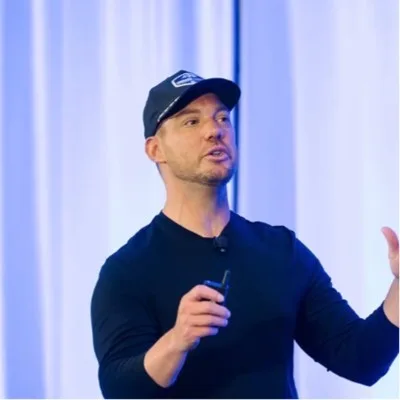
Big thanks to Ryan Hawk for joining us today. To learn more about Ryan, visit The Learning Leader | Ryan Hawk | Podcast | Author | Speaker. Grab yourself a copy of the book The Price of Becoming: The Compounding Practices of High Performance
Our Headline
- Moving Back Home Used to Be a Sign of Failure. Now It Shows Financial Savvy. (Wall Street Journal)
Doug’s Trivia
- Cleveland, Ohio, was founded in 1796 by General Moses Cleaveland, whose name included an “A.” Why is the city’s name spelled without the “A” today?
Have a question for the show?
Want more than just the show notes? How about our newsletter with STACKS of related, deeper links?
- Check out The 201, our email that comes with every Monday and Wednesday episode, PLUS a list of more than 19 of the top money lessons Joe’s learned over his own life about money. From credit to cash reserves, and insurance to investing, we’ll tackle all of these. Head to StackingBenjamins.com/the201 to sign up (it’s free and we will never give away your email to others).
Other Mentions
- Steal Like an Artist: 10 Things Nobody Told You About Being Creative
- Set for Life: An All-Out Approach to Early Financial Freedom
- Broke Millennial: Stop Scraping By and Get Your Financial Life Together (Broke Millennial Series)
- Stacking Benjamins Field Kit » The Stacking Benjamins Show
Join Us Thursday!
Tune in tomorrow for a special Thursday episode when we explore why homeowners’ insurance costs are soaring, how climate risk is reshaping the market, and what you can do to protect your property and finances.
Written by: Kevin Bailey
Miss our last show? Listen here: How to Get More Free Money From Your 401k (The Moves Most People Never Make) SB1870 | Stacking Benjamins
Episide transcript
[00:00:00] Doug: I look out my window and I see my neighbor, Doug. Poor, lazy, deplorable Doug
[00:00:13] Doug: Live from Joe’s mom’s basement, it’s The Stacking Benjamins Show
[00:00:27] Doug: I’m Joe’s mom’s neighbor Doug and man, do we have an inspirational guest for you today. He was benched in college for a future Super Bowl champ, and the way he handled it helped fuel his growth. He now leads one of the top podcasts in the nation on leadership. That’s right, he’s always learning and thinks you should too.
[00:00:45] Doug: The host of the Learning Leader podcast is here, Ryan Hawk. In our headline segment, kids are going out, getting a job, and then launching toward home again. Really? How’s this good? We’ll find out why. And then we’ve also got something you already know is good, my incredible trivia. Bam! And now two guys who are like the Pebbles and Bamm-Bamm of this podcast, it’s Joe and oh, G- G- G- G- Gene.
[00:01:18] Joe: How many people actually remember Pebbles and Bamm-Bamm, Doug?
[00:01:21] Doug: Uh, according to OG, our listenership, very few. Very, very few. I think he thinks everybody is super young. But damn, you look cute with that little bone up in your hair, Joe.
[00:01:33] Joe: Wait, I’m, I’m Bamm-Bamm.
[00:01:35] Doug: You’re Pebbles, dude. You’re absolutely Pebbles.
[00:01:38] Joe: Come on.
[00:01:40] Joe: Come on. I get to be Bamm-Bamm today ’cause OG was Bamm-Bamm on Monday- … with all those stories about doing the bike ride. Hey, everybody, happy Wednesday to you. Man, we’ve got Ryan Hawk here. I’ve been listening to this podcast for a long time. By the way, not only great name for a college quarterback, Ryan Hawk, but-
[00:02:01] Doug: Yeah, it’s made up.
[00:02:02] Doug: That’s a stage name. His- It’s like Wolf Blitzer. He wasn’t born with Ryan Hawk. Nobody-
[00:02:07] Joe: His, his name is something other than that. It’s gotta be. Yeah. But, hey, what a cool guy, and what, by the way, a thoughtful leader and a guy who studies everything. And listen, when you can take one of the, what a lot of people would see as one of the, the, uh, horrible moments in your life, you think you’re on your way to the NFL, you’re hoping you’re on your way to the NFL, and you get benched.
[00:02:29] Joe: Really? And then you take that and you make that kind of the cornerstone of learning and, uh, finding out how to get better at stuff. That proves again that it’s not about what happens to you, it’s what you do- Yeah … about it afterwards.
[00:02:44] Doug: Tom Brady says one of the best things that happened to him was sitting on the bench for the first two and a half plus years at Michigan.
[00:02:50] Doug: And thank, and he says, “Thank God I didn’t have NIL and the transfer portal to let me move,” because it, he learned so much by having to sit there and, you know, how to manage that kind of adversity.
[00:03:01] Joe: That’s so interesting. Tom Izzo said about NIL, about kids moving today, he thinks that fighting adversity is one of the things that they miss out on specifically.
[00:03:10] Joe: So you hear it- Absolutely … once it might be somebody’s thing. You hear it from two or three, four successful people, you know that’s a truism you should try to learn, too. A truism I try to learn here on the Stacking Benjamins podcast is how to be like my co-host, Mr. OG’s here. I’m trying as hard as I can. I, I got on the, a rowing machine today, OG, inspired by your stories on Monday, and I rode, uh, for a solid nine and a half minutes.
[00:03:36] Joe: Just bam
[00:03:38] OG: And tomorrow try to go for nine minutes and, uh, 45 seconds.
[00:03:41] Doug: Stamina has always been your, uh, calling card, isn’t it, Joe?
[00:03:45] Joe: Just, yeah, apologizing at the end of the workout to the machine. I, I normally This never happens. S- s- I can usually go for at least 12 minutes when I row. Sorry, machine. We got a great show today, obviously with Ryan Hawk here in the basement.
[00:04:03] Joe: Let’s get to it. If you don’t know who Ryan Hawk is, Doug so eloquently told us that he is the host of The Learning Leader podcast, where they dive into some of the best things that you can learn from the top people, and that’s what our Wednesday show is all about, so I feel like we’ve got a lot in common with Ryan.
[00:04:24] Joe: Like the Stacking Benjamin show, he’s been around for a long, long time, been podcasting for well over 10 years. He also knows that the true way to get anything is to work for it, and it’s not just the hard work that makes it valuable, it’s the lessons that you learn from doing the hard things. So man, if you’re looking for m- a motivation that’s a lot more than just, you know, a sugary, fiery pep talk, Ryan Hawk’s gonna bring that to you today.
[00:04:56] Joe: But before Ryan, we’ve got a couple sponsors who help us out. We’re gonna hear from a couple of them here, and then again at the midway point, when we hear Doug’s exciting trivia question, you get a chance to think about your answer before Doug gives that to you. First, actually before our sponsors, how about our own thing we’re doing here in the basement?
[00:05:18] Joe: Finally, a tool to help you with your budget, protect your credit, get you off those tracking lists, track your net worth, get rid of subscriptions. It’s called the Field Kit. Go to stackingbenjamins.com/fieldkit to find out all about it. We’re super happy to be affiliated with the great teams that created this at Array and BudgetSimple.
[00:05:38] Joe: It is a great way to track your benjamins as you’re building your stack. So stackingbenjamins.com/fieldkit. Let’s hear from our sponsors, and then Ryan Hawk joins us in the basement.
[00:05:58] Joe: Ryan Hawk has spent more than a decade talking with some of the world’s most accomplished leaders, athletes, entrepreneurs, military commanders, coaches, and performers, and after all those conversations, one question keeps showing up: How do ordinary people become exceptional? Not overnight, not through hacks, not because they were born different, but through actions that compound over time.
[00:06:21] Joe: Today, we’re talking about those actions with the man, the myth, the legend, Ryan Hawk, coming down to mom’s basement. How are you?
[00:06:29] Ryan: I’m happy to be, be down in mom’s basement. It’s great to be with you, Joe.
[00:06:33] Joe: You never thought you’d say that on a book tour, did you? No, I
[00:06:49] Joe: didn’t. Happy to be in mom’s basement. Yes. No. We… Let’s start out where you start out on this latest project. You show up on campus, University of Miami, beautiful place, as you know, excited to become the starting quarterback, win some games, play in the NFL, pretty simple. Then Ryan, some dude shows up and wrecks your whole plan.
[00:06:59] Joe: What was going on there? Can you tell that story?
[00:07:02] Ryan: Yeah. It, it’s really cool. I, I moved to Oxford, Ohio, uh, campus of Miami University, the day after I graduated high school, with the intention of earning the starting quarterback job. At that time, no freshman went to college early, so I was the only freshman on campus, with a goal to learn everybody’s name so I could earn their respect through work ethic and keeping my mouth shut, other than knowing who they are.
[00:07:24] Ryan: Two other quarterbacks showed up a few months later. One was Mr. Football in the state of Indiana. He was 6’5″, Jeremy Thompson, great guy. Another one from Findlay, Ohio, showed up, also 6’5″, very athletic. That’s when I heard the phrase from the late, great Terry Heppner, when he said, “Have a plan, work the plan, and plan for the unexpected.”
[00:07:45] Ryan: And I’ve never forgotten that from Coach Hepp. He told us that every single day. It was posted in our locker rooms, a big part of who we were as a team at Miami. Have a plan, work the plan, plan for the unexpected. And I kinda learned what that was all about because over the, the course of two years trying to fight every day, uh, practice field, meeting room, weight room, certainly on game days to be the starting quarterback.
[00:08:09] Ryan: And I was told during the middle of my sophomore year or the beginning of most of my sophomore year, it was game number two at University of Iowa, that, uh, I was not gonna be the starting quarterback, and I was gonna be the backup. Uh, I could potentially move positions if I wanted to, but I was not gonna be the guy.
[00:08:25] Ryan: So it was the first time in my life that I’d ever truly been told no, uh, to something that I really, really wanted. And I think-
[00:08:32] Joe: Did you see it coming, by the way? Did you see that
[00:08:34] Ryan: coming? For sure. I mean, I had eyes. I still was a pretty arrogant, uh, full of myself 19-year-old punk who had always been the starter in, in all three sports: football, baseball, basketball.
[00:08:45] Ryan: You know, pitcher, point guard, shortstop, center fielder, quarterback. So I still was full of that, but I also, again, could see that I was probably not the guy that’s gonna give us the best chance to win. And that’s actually the lesson I take from that from Coach Hepp, is when he looked me dead in the eye and he pointed and said, “He gives us a better chance to win than you do.”
[00:09:05] Ryan: And so I kinda learned that my job as a human is to find a way to add value to other people’s lives. And if others add more value than I do, then, um, they’re gonna get to do the thing that I really wanna do. And so that’s what I try to think about literally every single day, is when he looked at me and, and said I didn’t add enough value because the other person did.
[00:09:24] Ryan: Now, the good thing about the world, it’s not black and white like the quarterbacking world it is. It’s very zero-sum. In order for one quarterback to play, all the other quarterbacks don’t get to play. Well, in the world of leadership, the world of abundance, we all can win. The– In fact, the better you do, the better I do.
[00:09:40] Ryan: It’s fortunate that it’s not like that. With that said, my job is still to add value to other people’s lives, and if I do that well enough, you know, good things will happen, and if I don’t, then bad things will happen. So I try my best to draw from that every day.
[00:09:53] Joe: I feel a little bit of that old Zig Ziglar quote, Ryan, you know, give other people what they want and you’ll get what you want.
[00:09:59] Joe: When I was reading that story… By the way, before we get to that, we never said who this guy was ’cause this guy wasn’t just some dude. This guy ended up having a hell of a career in the NFL.
[00:10:09] Ryan: Yes. Yeah, Ben Roethlisberger, for all the Pittsburgh Steelers fans. Never
[00:10:12] Joe: heard
[00:10:12] Ryan: of him. Who’s that guy? You know, he go on to- Yeah,
[00:10:13] Joe: right
[00:10:14] Ryan: win some Super Bowls, and, um, he’ll be inducted in the Hall of Fame next year. So it, I guess it makes the story a little bit nicer, but for the purposes of, of what I’ve tried to draw from it, it’s basically you’ve got to add value to people’s lives, or if other people add more value, then they’re gonna go get to do the thing that you want.
[00:10:30] Ryan: And so it helps to probably know who that is. It’s, he’s unnamed earlier in the book because it doesn’t really matter who the person is. It really matters about what I’ve taken from that experience.
[00:10:41] Joe: I still had to go look up and see who it was ju- Yeah … just to know, like, who is that guy?
[00:10:44] Ryan: Sometimes the surprise makes it a little bit more fun of a story.
[00:10:47] Joe: It, it really does. I saw myself there. I was a very cocky teenager. I won a lot of track and cross country when I was in, in high school a million years ago, went to college on a track and cross country scholarship. I wasn’t as successful in college as you were with my running, but I remember one of the best experiences I had was I went out for the swim team in high school, and it’s amazing when you’ve been great at everything your entire life, Ryan, to go do a sport where you actually suck.
[00:11:19] Ryan: Mm-hmm.
[00:11:20] Joe: And to realize how hard it is to get good at something, how sometimes that natural ability shields the fact that hard work is gonna actually pay off, and I was, I, I remember high-fiving myself. Maybe this is one of the best early lessons I ever had, was I got to the end of the year, and I was average, and I thought that was so kick-ass, that by, by the end of the year, I’d made it to the point that I wasn’t a drag on the team.
[00:11:43] Joe: I feel like sometimes we forget that all of this glory, this great stuff that happens, doesn’t happen when we cross the finish line. We like to watch people cross the finish line. We’re watching the World Cup as you and I record this. We love seeing who the winner’s gonna be, but this isn’t where the win comes.
[00:11:59] Joe: You make a big point of that. The win comes in all those hours ahead of time.
[00:12:02] Ryan: Yeah, I mean, when it’s most people aren’t watching, whether it’s giving a keynote speech, hosting a podcast, what makes those things good is all of the work leading up to that moment, whether… And that, that, that applies in pretty much every area of life.
[00:12:17] Ryan: If you’re a Special Forces operator, what makes you good is the fact that you’ve trained like crazy to be prepared for all situations. In sports, all the practicing, the weightlifting, the watching film, right? In, in school, leading up to taking a test, you gotta do the work. You gotta study, right? Writing a book, you gotta write, a lot of us, at least the less brilliant ones, if you wanna get a good 55,000 words, you probably gotta write at least double that in order to get to the good stuff.
[00:12:45] Ryan: Creativity and being useful is a quantity game to get to the quality. So yeah, I think whatever it is, again, except for those, like, tiny few brilliant people that can just show up and do it, you gotta put in the necessary work leading up to those big moments. That’s a big Muhammad Ali quote. Where he won as a boxer was in those quiet, dark hours long before he danced under those lights, as he would say.
[00:13:13] Ryan: And to me, like, I try to think about that with everything that I do. Again, it’s what, what am I willing to do to prepare for these big moments to then make the most of them? That’s the difference. That’s, if you study excellence, again, as you mentioned, over the past 11 years, which I’ve been trying to do, that’s one of the commonalities among them, is the willingness to prepare and get after it day after day after day so that when the opportunities arise, they’re ready for them.
[00:13:38] Joe: Well, you’re getting our stackers excited, Ryan, because somebody that listens to a show like Stacking Benjamins, they’re naturally planners. Generally financial planning, career plans, retirement plans. You had to pivot. You ended up at, then at the University of Ohio. How, when do we hold tight to that plan?
[00:13:57] Joe: Because, you know, there’s also that quote that generally good stuff happens about the time that most of us quit, right?
[00:14:03] Ryan: Yeah.
[00:14:04] Joe: When do we hold tightly, and how much should we be willing to pivot?
[00:14:09] Ryan: Yeah, I mean, in this case I pivoted schools. I didn’t wanna pivot positions, because I was a quarterback. My, my dad and my brother actually played a big role, my younger brother played a big role in that time in my life, because I loved being at Miami so much.
[00:14:22] Ryan: Again, I went there the day after I graduated high school. I was best friends with so many of my teammates. I’d earned respect. I didn’t earn the starting quarterback job. I probably could have moved positions and had a chance to maybe play in the slot. I’d done a little bit of that, experimented with it.
[00:14:36] Ryan: I didn’t love it. I wasn’t great at it, but I, I could have potentially developed. I don’t know. But they were like, “Dude, you’re a quarterback. Y- you gotta go somewhere else. Um, you gotta…” Y- and this is before people transferred every year, you know. Th- transferring was rare. You had to sit out a year. You could only practice.
[00:14:52] Ryan: And so it was really, really tough to make that move, but I think ultimately it was the right decision to leave to get a chance to go compete to be a starting quarterback, to re-earn respect, to re-earn a job, to hopefully be voted captain, which I was my, my senior season at OU where I, where I graduated from.
[00:15:10] Ryan: So to me, um, yeah, it, it’s, it’s hard. Sometimes though that’s why you need, you need truth tellers in your life. You need people who are willing to look you in the eye and say, “Dude, you need to go do this thing. I know it’s gonna be hard. I know it’s gonna be uncomfortable. I know you don’t wanna do it, but it’s what will be best for you long term.”
[00:15:25] Ryan: And, and so I’m just very, very fortunate to have those people. My, my high school coach, my, my parents, my brother who was a, a big, big nudge to help me make that move. And so that’s what I did. And not that it was perfect. It wasn’t just straight up into the right. It was very rocky. Our team wasn’t great.
[00:15:40] Ryan: But I’m eternally grateful that I, I did that, because I learned a ton. I got to play, I got to be the guy, and then it afforded me the opportunity to play a little bit afterwards too, which, which was a lot of fun as well.
[00:15:51] Joe: One thing that surprised me while learning more about your work is your advice isn’t…
[00:15:56] Joe: We hear often be unique, and m- most people there’s so many people addicted to social media, and they see these people and they’re like, “Man, I wish I was more unique like that person.” But it’s almost the opposite. You tell this story about five guys who decide to start this cover band. They’re not trying to be unique at all, and they end up being incredibly, incredibly successful.
[00:16:19] Joe: What made you realize that being unique wasn’t the linchpin to becoming?
[00:16:23] Ryan: David Perell and I recorded a couple years ago, and he loved this phrase, which is imitate, then innovate. Imitate, then innovate. The guys you’re referencing, uh, The Beatles, they started out as a band of five, uh, later was slimmed down to four.
[00:16:41] Ryan: They were writing their own stuff, but they didn’t think it was good enough. This is like super inspiring for me to think about that they had written their own songs and yet for the first year of their career you hear about these marathon sessions they would play. Well, they were playing covers. They were a cover band initially, and they had to be pushed by a manager to say, “Hey, you guys should play your own stuff.
[00:17:03] Ryan: You should start trying out some of your own songs.” And so if a band like The Beatles, one of the greatest of all time, still was nervous or didn’t think their own stuff was good enough and they were a cover band initially, well, if they could do it, then I could do it. And what I think they learn and you, and you read from their interviews, that first year or year and a half was critical in their development as a band, as a unit to play together, to learn from each other.
[00:17:30] Ryan: They got tons and tons of repetition, not necessarily with their own stuff, but playing others’ and they got good. I look at my own career. When I got done playing football, my first job was at LexisNexis. I never had a job before in my life. I was just in sports. And so now I’m a sales rep working in the sea of cubicles and I have my own, and fortunately I had this amazing mentor still to this day, Rex Caswell, who hired me and Rex said, “Listen, I’m gonna seat you with the 10 top sales reps.
[00:17:56] Ryan: You’re gonna plug in, so you’re gonna listen to what they’re saying and listen to what their prospective customers are saying. And I want you then to kind of mimic what they’re saying, sometimes verbatim, until you find your own voice.” And that’s exactly what I did. I listened to them and I would write down everything they’re saying, and then as I would talk to prospective customers, I would literally say the exact same words that they were saying.
[00:18:20] Ryan: And it took me many, many reps to find my own voice, to kind of mash my own personality with the stuff that I was learning from them, and eventually I did that and eventually got really, really good at the job, which then led to my first promotion. And so wh- whatever the thing is you’re trying to do I think imitating others initially is very useful.
[00:18:41] Ryan: It helps you gain confidence, it helps you get repetitions, and eventually as time goes, you then find your own voice. And again, this is applicable to anything you’re gonna do. When I watch quarterbacks on film, I would mimic the way their play action fakes. Boomer Esiason here in Cincinnati, Ohio, the way he was a great play action passer, meaning he would use ball fakes to then fool the defenders to help his receivers get open.
[00:19:03] Ryan: I would mimic that exactly like he did it. The way pe- Randall Cunningham, the way he would run, the way he would throw, I’d mimic him exactly. I wore number 12 because of Randall Cunningham. So, so many of these things you would imitate others and then innovate as you go and as you get reps. And I think whether The Beatles are doing it or you and I are doing it, we all can do this.
[00:19:22] Ryan: But I think it’s helpful to study the greats, imitate them initially, and then innovate on your own to make it yours.
[00:19:29] Joe: You and I both interviewed Austin Kleon- Mm-hmm … who wrote a great best-selling book called Steal Like an Artist. Mm-hmm. And yet when I talk to people, Ryan, they’re afraid to copy other people.
[00:19:39] Joe: They’re like, “Ooh, I, I, I feel like I’ll rip them off. I won’t be myself.” Why are we so afraid, though, to go and imitate other people and learn? Because, well, you write about another person who did this very well, a guy who changed hockey did really spend a lot of time evaluating hockey players. Wasn’t the biggest, wasn’t the strongest, ended up being maybe the best player of all…
[00:19:59] Joe: Well, not maybe, was the best player of all time in hockey arenas.
[00:20:03] Ryan: Wayne Gretzky. I mean, Gretzky’s office was, he was smaller than most guys and he would sit in front of a TV, his dad would say this, and he would take handwritten notes- Watching how guys would play, and sp- specifically looking at guys who were a little bit smaller like he was, and he learned that behind the net…
[00:20:20] Ryan: Now, I don’t know anything about hockey, by the way. Never played. I’ve watched it, but I don’t know much about hockey. But behind the net became a really valuable spot for him to kind of own, and so that’s why it was known as Gretzky’s office. So he was watching others, learning from them, imitating them, and then obviously, as you mentioned, go on to be one of the greatest of all times, both as a passer, uh, and a goal scorer.
[00:20:40] Ryan: And so yeah, I, I think there’s so much can be learned. I mean, that’s what I do for a living now. I talk to people and study excellence, and then try to implement as much as possible, initially copying sometimes verbatim or exactly as they do it. And then as I get more repetitions, I kind of find my own voice or my version of my own voice, whatever it is.
[00:20:58] Ryan: When I watch keynote speakers, I really like to watch how they open, how they transition, how they close. And then if I’m trying something new, sometimes I will literally copy them verbatim. I’ll have conversations with them about this and tell them like, “Hey, I just copied that exactly word for word the way you did it.
[00:21:13] Ryan: It really, really worked.” And then as I go, maybe I kind of tweak it a little bit and a- again, find my own voice. But when you ask, why are people scared to do it, I don’t know. I guess they’re insecure. I don’t know. I think it’s the greatest compliment you could ever give somebody is that you’re copying them the way that they do it.
[00:21:27] Ryan: If somebody copies me, whether it’s my podcast or how I write or how I speak, I take it as a massive compliment. I think that’s amazing. Go ahead, do it as much as you want. I mean, Austin Kleon does it every day, right? And he’s one of the greats. He’s one of the most creative people in the world and openly is looking for ways to steal like an artist.
[00:21:44] Ryan: So yeah, I, I think it’s, uh, it’s misguided if you’re worried about initially copying others and as you’re on your path to kind of finding your own voice.
[00:21:51] Joe: It’s just your point, confidence is so important. And man, when I learned that little fact that I could copy other people that are great at it, I may never become them, but I’ll become so much more confident and so much better and so much more comfortable in these, what initially looks like uncomfortable situations.
[00:22:07] Joe: Y- you have studied greatness in lots of different departments, Ryan, so I want to try to make this practical. If a stacker wants to become a better communicator, better investor, better leader, better parent, is there a first thing that you found more often than not is the first thing we should try to copy, the first trait we should try to copy?
[00:22:27] Ryan: One of the greatest superpowers of all time, you’ve been exemplifying it for the last eighteen minutes, is being deeply curious about a person, their story, things that they’ve learned, asking them questions, listening to what they’re saying, asking them follow-up questions. I think curiosity is the ultimate form of showing love.
[00:22:47] Ryan: There’s the love language quiz or assessment out there. I’ve had them on my show as well, and one addition I would make to that is, and my wife knows this, we’ve had long conversations about it, one of the best ways that you can show me love and one of the ways I show others love is to be curious. And that is a commonality I’ve found among leaders who have sustained excellence, is they are deeply curious about people, about ideas.
[00:23:10] Ryan: They’re willing to go in with a wide open mind. They’ll ask questions like a third-grader. They’re not afraid to look stupid, to ask the most basic question. Usually, that’s the question on a lot of people’s minds. Takes a lot of security and confidence, though, to ask that. Some of the best CEOs I’ve been around, when I go and sit in on their meetings, what are they doing?
[00:23:28] Ryan: They’re listening, and then they ask these very specific questions based on something somebody said, and then the person will respond, and they’ll listen even more. And then they’ll ask a follow-up question based on that. And so a commonality, yeah, like the greats, the best… And look at Kobe Bryant, like one of the most curious people of all time.
[00:23:46] Ryan: Kobe was known. If he saw somebody doing something specific that what he thought was world-class, he would just call them. That’s why it’s such a tragedy what happened to him, and he’s no longer with us. Like, he was great from a basketball perspective, and then what does he do? He goes and wins an Oscar.
[00:24:01] Ryan: Well, how did he do that? I- as he was finishing his playing days, he would call the people who were the best and the best at making movies, at telling stories, at film, at design, music, calling them directly, just approaching with curiosity. Man, it’s a superpower, but it’s, it’s wild to me that people show up in the world and aren’t willing to ask questions or aren’t curious about people and their stories.
[00:24:24] Ryan: Like, literally every single person has a story. When I see someone with a visible tattoo, like on their arm or their calf or whatever, I will always ask them about the story behind that tattoo, and you learn some amazing things about people and their tattoos. Like, why not? If you, if you have a visible thing that I can see, I’m gonna ask you, and I, it, we always go so much deeper when that…
[00:24:45] Ryan: You’re laughing. What, what’s going on?
[00:24:46] Joe: Well, I never realized until you just said that, Ryan. There’s always a story behind the tattoo. There’s never not a story. Oh- I’ve never asked somebody about a tattoo, and there’s not a great story behind that tattoo. It’s not like, “Oh, yeah, I just decided to go in and get this thing.
[00:25:00] Joe: It’s random.” It’s never random.
[00:25:02] Ryan: No. Whatever the thing is, I think striking up a conversation, asking them. Again, I think the word, the key word, though, when it comes to this is specificity. I’m not as curious about the weather or sometimes even, like, how somebody’s weekend was. Like, that’s pretty broad. I mean, sometimes that can be okay, but ask something with specificity.
[00:25:22] Ryan: You can go pretty deep pretty quick with a person. Um, whenever somebody tells, tells me that they’ve gotten divorced, I will always just say, “Well, why’d you get divorced?”
[00:25:30] Joe: Wow.
[00:25:30] Ryan: They’re usually for a second caught off guard, and then they’re willing to go pretty deep pretty fast, and you get to some messy stories from time to time.
[00:25:37] Ryan: But I have gotten a lot closer with people by just asking, by being willing to ask. If pe- someone’s gone through something hard, why not ask them about that? Probably, you know what happens is they’re not used to telling that story because nobody is willing to ask them, but yet people like to talk about those tough moments they’ve gone through.
[00:25:53] Ryan: They like to talk about some of the messiness of life. They’re not used to it, and it’s, it’s, it’s bizarre how close I’ve gotten to people really, really quickly just by… Because if you sense that it’s out of genuine curiosity and genuine care, which it is, people like that. They, they enjoy that, and that’s, I think, the number one thing I would impress upon people is what I’ve tried to develop.
[00:26:14] Ryan: ‘Cause I don’t think I grew up as a, as a curious person but developed it over time, and that’s helped me quite a bit.
[00:26:20] Joe: But you cut through the small talk really quickly there. Yeah. And I think you get to a different level of friendship with somebody.
[00:26:26] Ryan: Definitely. When you… Well, I mean, it’s like we’re, we’re getting…
[00:26:30] Ryan: A- and I’m happy to answer any question they ask too if we… None of us have perfect lives, right? So I like going there. I think it’s interesting, especially when you can tell the person’s genuinely curious about that. I mean, some of my best friends, when Miranda, my wife, and I will talk about, what is it, why, why do we like them, you know?
[00:26:45] Ryan: And it’s like, you know what? ‘Cause both, both the husband and the wife are super curious people, like genuinely super curious people. And then when we’re… Maybe sometimes you have the conversation about people you, you don’t necessarily want to be around. It’s the ones who just kinda like always blab about themselves.
[00:26:59] Ryan: Yes. They never ask a single question. If you say anything, they’ll just relate it back to them or their kid or whatever, and it’s just like, okay. Uh, I don’t know. I, I think it’s more interesting to hear about somebody else and their story and, because everyone has a story. And usually there are interesting parts to it, and I, I like to get to that if possible.
[00:27:19] Joe: We have a member of our kind of immediate family who, who we don’t talk to very much because she never asks, ever, how we’re doing. Never, ever, ever, ever. This is your immediate family? Well, not immediate like my kids and I, but you know. But close. Yeah, yeah, close family. I don’t wanna say too much, but, but it just drives you crazy.
[00:27:38] Joe: Be careful.
[00:27:39] Ryan: Does she listen to your podcast?
[00:27:41] Joe: No, no. She doesn’t even know I have a podcast, Ryan. She’s never asked me about it. No, I’m sure she knows I have a podcast, but I doubt that she’s listening. Well, and if she is, maybe, maybe this is the right way. Maybe I should just tell… I don’t know. But but I was laughing when you were asking about deep questions.
[00:27:56] Joe: Here’s a guy who asks some deep questions of people. He gets to know the right people like you do. I mean, you’ve talked to generals, you’ve talked to elite performers, and so has this person. Listen to this guy and the way that he asks questions, Ryan.
[00:28:19] bit: Um, hi. Welcome to The Chris Farley Show. I’m Chris Farley, and my guest tonight is one of the greatest musicians- … or rock musicians, I mean, I gue- I guess songwriter ever That sounded stupid. God, I’m an idiot. I never know how to, uh, start these things. You’re doing great, Chris. Really? No, I’m not. Anyway, I guess I didn’t ha- have to say, uh, who you were because, man, I mean, everyone knows who you are and y- your performance.
[00:29:03] Joe: Someday he’s gonna ask a question. I was thinking about Chris’s question. I should have started this that way, Brian. I should have said, “Hey, that time that Ben Roethlisberger took your job, w- was, was it… Remember that?”
[00:29:15] Ryan: Yeah, vividly. I do. That’s a great one. Chris Farley’s the best. Another one gone way too soon.
[00:29:20] Joe: I wanna do a draft. Uh, as a former quarterback, I thought this would be fun. Let’s do a draft. You’re now the general manager. Okay. You’re building the ultimate stacker now, right? You get five draft picks. We’re not gonna
[00:29:31] Ryan: dra- Can you tell me the origin story of what a stacker is? W- well,
[00:29:35] Joe: a stacker is somebody who’s trying to confidently explore more life, is trying to use money as a tool to build a better life, almost like Ben Franklin, right, where he’s not a tradesman, he’s not a politician.
[00:29:47] Joe: He’s all the above. He’s trying to be a much more well-rounded person. So
[00:29:51] Ryan: w- Okay. Can I, can I ask you one more question about this? Okay. I am curious from a dad, you, who, who has kids, what are ways that you have turned money into creating rich, rewarding experiences with your family? And friends, too, I guess.
[00:30:06] Joe: Getting groups of people together where we can all be curious together. Mm-hmm. And, uh, people that, that… Exposing my kids to different ideas, different philosophies, different, um, points of view than they have, helping them expand their worldview, helping them ask questions the way that you talked about.
[00:30:27] Ryan: Is there one or two specific things you and your wife did that…
[00:30:31] Ryan: ‘Cause now I learned about both of your kids before we recorded, and it seemed like they’re both absolutely killing it. Very high agency is what I s- thought of, especially when talking about your son and the real estate thing. Is there, like, one or two things that you guys were relentless on? ‘Cause all my kids are younger than yours, so I’m still trying my best to not mess this thing up.
[00:30:50] Ryan: What did you guys do to create such high-agency humans, both a guy and a girl?
[00:30:54] Joe: The interviewer is strong in Ryan Hawk, by the way, stackers. It’s very, very strong.
[00:30:58] Ryan: But when it comes to parenting, though- … especially when I hear what somebody’s kids does, like, I can’t help it because it’s the most important thing in the world, and if someone has high-agency kids that are…
[00:31:09] Ryan: They’re not kids anymore, but they’re, you know, they’re young adults.
[00:31:11] Joe: Sure.
[00:31:12] Ryan: I gotta hear what the mom and the dad did.
[00:31:15] Joe: Two things I think were important, especially when it came to money. Okay. Number one was if Dad told them something, it was just an eye roll, right? But if I could introduce them to people, which is- You know, you talk about using your unfair advantage in life, figuring out where your strengths are and using that to your advantage as much as possible.
[00:31:31] Joe: My advantage is I get to talk to people like you. I get to talk to all kinds of different people, and I was able to identify who I thought that Nick and Autumn would really enjoy l- listening to these same messages Dad knows, but from people where it’s more likely to get it through their head. Mm. Uh, we celebrate Christmas in our family, and one year, I got books, signed books.
[00:31:55] Joe: I, I offered to pay for them. The… Now, these people are very nice. They didn’t have me… They’re like, “No, no, no, Joe, we’ll send them.” I was like, “Please, let me pay for them.” Don’t wanna use it that much, but from two people, uh, I got them books by Scott Trench, who wrote a wonderful book called Set for Life, and a wonderful young woman named Erin Lowry called Broke Millennial, about how not to be a broke millennial.
[00:32:18] Joe: My kids, 31 years old, millennials. And it was amazing, Ryan. They both read those books. My daughter, who is a spender like Dad is, very much loved Erin’s message, and attached to that, Nick read Erin’s book, but Nick also read Scott’s book. They both read both of them. Nick became a huge Scott Trench fan, and Scott Trench became the head of BiggerPockets, the big real estate community.
[00:32:43] Joe: My son now does real estate. He, like- Mm … used that as a thing. So I think helping them find voices that could be that coach in their ear, that smart person in their ear. And luckily, what’s also cool, they both got to end up meeting those people. Not through me, either, by the way. I did not use any connection.
[00:33:01] Joe: They went out and met those people. My son met Scott Trench. My daughter met Erin Lowry, and, uh, really, really, really cool. Mm. Yeah, so.
[00:33:08] Ryan: That’s really cool advice of, of, like, part of our role is to, is to help- Put them in the arena with those that maybe they’ll be more apt to listen to because they, they eye roll at mom and dad.
[00:33:20] Ryan: But if they’re around, it’s, it’s funny, I s- I, I immediately start thinking of, like, family friends and people we try that are positive role models and influence. But, yeah, the main point I feel like is it seems like both your son and your daughter are very high agency people, which is a v- is, like, so critical of, like, have some ambition.
[00:33:38] Ryan: Like, get after it. Let’s go. Don’t be entitled. Try to just… I don’t know. I, I think that’s good. I, well, you can cut that out, but I, I was just curious. Um, you can, you can go back to this regularly scheduled program. But I was curious.
[00:33:49] Joe: No, that’s fine, because I think it’s awesome listening to you, being a fan of yours for a long time, just you can’t help but be curious.
[00:33:56] Joe: You mentioned being curious, and I look at your career, and then immediately you’re curious about something that was not even on the table in that part of the, that part of the interview. But let’s play Joe’s game. Okay, sure. Let’s play Joe’s game. Because I wanna go back to your football days. Okay. I wanna have a draft, Ryan.
[00:34:11] Joe: I’ve never got to have a draft on the Stacky Benjamin show. Okay. So you’re helping me. Help- Okay … help me help you. You get five draft picks. We’re not looking for people. We’re not looking for personality traits. We’re looking for actions, things somebody can start doing tomorrow. You get to pick an action number one that I do tomorrow that’s gonna get me closer to becoming.
[00:34:36] Ryan: Hmm.
[00:34:36] Joe: What’s your first draft pick?
[00:34:37] Ryan: Are you gonna draft two after me?
[00:34:40] Joe: I wasn’t going to. I can.
[00:34:41] Ryan: Okay, let’s snake back and forth. I’ll go first, though. I am a prompt-driven thinker and a prompt-driven writer. So one of the things that I think somebody could do is add a five to ten-minute exercise they do before they go to bed at night.
[00:35:02] Ryan: I’ll serve up a few of the prompts or questions, and people could either answer one of them, some of them, all of them. One of them I like comes from Charlie Munger, which is the whole kind of gist behind this book of the idea of becoming and the power of compounding, because Munger and Buffett are the best in the world at that when it comes to money.
[00:35:19] Ryan: But that is, what did I do today to go to bed a little bit wiser than I was when I woke up? What did I do today to go to bed a little bit wiser than I was when I woke up? And you just answer that one question every night. Take five minutes, ten minutes, answer that question, and stack day after day after day, and then watch the beauty of compounding hap- uh, happen in real time.
[00:35:43] Ryan: Another question could be, what did I do today to help somebody? Or what did I do today to add value to somebody’s life, right? Or what did I do today that was hard/uncomfortable? These are a variety of questions or prompts. They don’t take a long time to answer. The point is the questions, the prompts act as a forcing function for you to then go do that thing knowing you’re going to write about it that night.
[00:36:11] Ryan: So if you’re focusing on getting a little bit wiser, well, you’re going to be more apt to read a book, to have a conversation with you, Joe, to listen to a podcast, watch a TED Talk, meet with a mentor, right? If you know you’re going to write in your journal about adding value to somebody’s life, you’re going to look for opportunities in the world to add value to somebody’s life so that you can write in your journal that night that, that you did it.
[00:36:31] Ryan: And then if you stack days, then the power of compounding happens. Whereas Buffett, Munger, and you probably talk about the power of compounding when it comes to your money, I’m talking about doing it for your life. So that would be the first draft pick for me of a behavior, of an action you could do right now that will absolutely change your life.
[00:36:52] Ryan: But this is the price, right? This is the price of becoming. You got to do it every day, and you don’t miss days, and you do it for a really, really long time, and then the power of that will take over. So that would be my first pick.
[00:37:05] Joe: It’s a great first pick It’s funny, I thought of my first two picks-
[00:37:10] Ryan: Okay
[00:37:10] Joe: while you were saying that.
[00:37:11] Ryan: Go for both of them. Let’s hear it. So- Maybe we’ll end this draft pretty quick. I don’t know.
[00:37:15] Joe: Well, well, my, my first pick is I, like a lot of people that I talk to, feel a ton of fear. I felt fear before we got into this discussion. I feel fear every time I interview somebody. I feel fear, I felt fear every time I was at the starting line of a race in high school and in college.
[00:37:30] Joe: I feel fear throughout my life, and there was a phrase that I saw first on a Nike ad, which was, “Feel the fear, but do it anyway.”
[00:37:40] bit: Mm.
[00:37:40] Joe: You’re never gonna stop yourself from feeling the fear. Do it anyway. And, and I like that that follows your number one draft pick of the prompt and what did you do that was hard.
[00:37:48] Joe: Yeah. Because I think that’s a one-two punch, Ryan. ‘Cause for me, I’m like, “Oh, I’m working on my next book,” and every day I go, “How come I didn’t write as much about my book as I want to?” If I see myself, this is a book that’s gonna help a lot of people, I need to get this book done. And it’s that consistency.
[00:38:05] Joe: But why? ‘Cause it’s the fear of the blank page- Mm-hmm … as you talked about. Feel the fear, but do it anyway is my number one.
[00:38:12] Ryan: Love it. Are you gonna do your second one?
[00:38:13] Joe: Yeah, my second one is don’t focus so much on the action. Focus more on building systems. Mm. And the reason is is that, for me, systems and habits are the way to success.
[00:38:26] Joe: I tried to action my way to success in my 20s, and it did not work because you just get exhausted. You’re recreating the wheel every other day. You don’t need to recreate the wheel. There’s smart people that already did that. So for me, systems were the answer. So if I find something that works, how do I create a system around that?
[00:38:44] Joe: Automating your money, as an example. People go, “Well, it’s more discipline.” It isn’t more discipline. For me, I’m a spender. I gotta hide money from myself, Ryan.
[00:38:50] Ryan: So do you just dollar cost average, like every month on the 15th, or what do you do?
[00:38:54] Joe: Dollar cost average. I find something, like a subscription that I no longer need.
[00:38:58] Joe: I decide that I’m no longer using Apple TV. I take the 12.99 from Apple TV. I immediately put it into something where it’s gonna automatically take 12.99 and add it to one of my investment accounts. Nice. Right? So don’t just capture the money and then go blow it, ’cause I will blow it. I’ll, I’ll buy a board game.
[00:39:16] Joe: I’ll do something with, dumb with it. Take it and make sure that it adds to a better tomorrow. So that’s my number two is think systems.
[00:39:23] Ryan: Okay, and let me get real specific here, and this comes from Scott Galloway. Have you had Scott Galloway on?
[00:39:28] Joe: Twice, yeah. Okay. What a great discussion.
[00:39:30] Ryan: So he probably said this to you, but I firmly believe it, and I try to do it every day: You should sweat more than you watch other people sweat.
[00:39:38] Ryan: We get one body. We get one. I think it’s on us to do whatever we can to push it physically so that you get stronger and stronger and stronger. And so, uh, certainly there’s a diet component that needs to be dialed in as well, and, uh, I think that’s even harder, at least for me, ’cause I love pizza and desserts and stuff like that.
[00:39:59] Ryan: But sweating more than you watch other people sweat. I love watching sports, so that, that’s a chore for me, but I also love working out because I love the feeling it brings to me that I did something hard to start my day. So push yourself physically. It will help you m- more mentally than you realize. It will build confidence.
[00:40:18] Ryan: It will make you healthier. It will make you stronger and make you feel better when you walk into a room. Sweat more than you watch other people sweat.
[00:40:27] Joe: That’s so, so awesome. I’m only wondering one more thing, and some of our Stackers are not football fans, so I’m gonna say a name here- Okay … that Ryan knows and I know.
[00:40:35] Joe: But, but I’m gonna explain who this is for our Stackers that don’t follow sports. There’s a guy named Brock Purdy. Mm-hmm. Brock Purdy, fantastic quarterback, San Francisco 49ers. He was this undiscovered dude, right? He was this rock that nobody expected to be as great as he is. In the draft, let’s say we went another five, 10 rounds, all the people you’ve interviewed, is there some Brock Purdy thing that might not be a number one draft pick, Ryan, but is this little nugget that we should remember but often becomes a stumbling block so we don’t end up getting the greatness of Brock Purdy in our life?
[00:41:14] Ryan: Um, let me get real tactical then, because this was fresh in my mind. My learning leader team of coaches and I, we went and recently and gave, like, a half-day workshop to a group of interns at one of our clients, companies that we regularly work with, and said, “Hey, will you give a talk to the interns? Will you do some of your stuff to them?”
[00:41:31] Ryan: And we said, sure, you know, and we tweaked some things or whatever. And one of my coaches, one of my best friends, Brooke Cupps, it was like, I don’t know, 45 minutes after we got started, and Brooke is a teacher and a coach, so he’s, he grew up in education. Uh, he now, he doesn’t teach. He, he just works on our team.
[00:41:50] Ryan: About 45 minutes in, it was in the middle of actually one of my portions, and Brooke stops the room and was just like, “Why are you guys not taking notes?” It seems little or trivial, but especially when you’re early in your career- Every meeting you go to, take a notebook and a pen or a pencil or whatever, and just write down the things that you’re learning.
[00:42:17] Ryan: Write down the things that, that you’re hearing. Just take notes. Again, it sounds obvious and basic, but we’re here, and this is a great company. They had 5,000 people go out to be interns, and they chose 20. Wow. And so we have the best of the best- Wow … the 20 out of these 5,000 people that wanna work at this amazing company.
[00:42:35] Ryan: They’ve been chosen, and there were, like, two or three that were taking notes. Brooke gets so annoyed, especially when we’re with younger people, and we’ll always stop the trainings if the young people don’t have anything to take notes. And his son plays college basketball, and he said, he told his son Gabe, who was Ohio’s Mr.
[00:42:50] Ryan: Basketball his junior season, great player, state champion, all this stuff. He played for his dad. Brooke was his coach. And he said, “Gabe, when you go to college and you meet with a coach, strength coach, assistant coach, head coach, just take a notebook and a pen and write down the things that you learn.
[00:43:07] Ryan: Write down the things that they say.” And Gabe told his dad, and Gabe wa- has been at multiple schools now playing college basketball. He said, “Dad, multiple coaches have told me no player has ever done this before, in their whole careers, ever, just brought in a notebook and taken notes when they had a one-on-one meeting or even a group meeting.”
[00:43:27] Ryan: And so not only will you learn more, but it’ll also set you apart as being, again, like I talked about with your kids, being high-agency people who are curious and striving to learn and wanna document those thoughts so that they don’t forget them. When you go somewhere, especially early in your career, just take a notebook and take notes
[00:43:47] Joe: I, I just wish you were passionate about leadership, Ryan.
[00:43:49] Joe: If only you brought some passion to this. Ryan’s new book came out yesterday, everybody. It’s called The Price of Becoming: The Compounding Practices of High Performance. Another job well done from the great mind of Ryan Hawk, and available everywhere.
[00:44:04] Ryan: Everywhere. Yes. Yes, everywhere books are sold. Thank you.
[00:44:07] Ryan: Uh, it feels weird saying yesterday since that’s not technically true- … but I know this will be released and that, so I just have to lay that disclaimer. It’s- He’s, he’s like, “Wait, what?” From when we’re recording it’s, that’s not released yet, but I know when this comes out it will have been released, and hopefully the whole world loves it.
[00:44:21] Joe: It’s always weird in an author’s mind to hear that it came out yesterday.
[00:44:25] Ryan: I know. I get it. As a podcaster I get it. But yeah, it’s funny. No, I’m excited for it to come out, and so hopefully people wanna get it and read it and implement all the stuff they learn from it.
[00:44:33] Joe: My last question, Ryan, is this. We talked a little bit about my kids.
[00:44:37] Joe: I was saving, I wanted to ask you right away, but I’m curious about your kids. As a guy that talks and practices leadership all the time, what is the big number one lesson you hope that your kids learn?
[00:44:52] Ryan: It’s interesting we’ve been having these conversations as they, uh, the older ones at least get ready to go to college.
[00:44:58] Ryan: I really want them to do, to be three things. I want them to go out in the world, I want them to be really curious. We already talked about that. I want them to ask questions and listen and try to understand the world and have an open mind, to not be judgemental, to be curious. Ted Lasso, you know that. I want them to be tough, I want them to be resilient, I want them to regularly push their edges.
[00:45:14] Ryan: I want them to not just try to stay in the area where they’re really, really comfortable, to go try new things, right? To walk from class to class in college without headphones in so that maybe they can, uh, have conversations with people. And then I hope they live with a big sense of gratitude. They’re, they’re very fortunate, the situation that they’re in.
[00:45:31] Ryan: I, I think they know that, and I think the best way to show that you’re grateful for people and for the world in general is to leave people, places, and things better than you found them. Leave it better, for short. And so I hope that they’re the CTG, they’re curious, they’re tough, they’re grateful, they leave people, places, and things better than they found them.
[00:45:50] Ryan: And I think if they show up with those three things in mind I, I like their chances of good things happening. Again, I also know that they’re kids, and when I was their age I was a complete idiot and didn’t do any of those things. And so I j- I don’t expect perfection. Uh, I just hope for the best. I try to live that out myself, and Miranda and I try to be the models for them.
[00:46:10] Ryan: But, um, they do the same thing to us that they do to you, which is roll their eyes and then somebody, like one of our friends, will say something exactly what we said. And they’ll go, “Oh my God, that was amazing,” you know. And we say, “Well, at least they’re getting it somehow.” So yeah, I think our job is to be the model, to try to live it out, be honest and open, be good listeners and genuinely interested in the stuff they’re doing, and hopefully, you know, that leads them to go out into the world and to be curious and tough and, and grateful.
[00:46:39] Doug: Hey there, Stackers. I’m Joe’s mom’s neighbor, Doug, and I love having Ryan here because as he proved, it isn’t always about doing more. In fact, how about today’s trivia, which will prove sometimes the smallest cutbacks make the biggest difference. Take Cleveland. No, seriously, take it. I’ll take 20 bucks for it.
[00:46:58] Doug: I’m kidding, Cleveland, chill out. Here’s our question. It was on today’s date that Cleveland, Ohio, was founded way back in 1796 by General Moses Cleveland, spelled C-L-E-A-V-E-L-A-N-D. Hear that A in his last name, Cleveland? Okay. So if General Moses Cleveland founded this city that’s home to the Rock & Roll Hall of Fame and way, way more, why is Cleveland, Ohio, missing the A today?
[00:47:31] Doug: I’ll be… Get the… I s- I said it, I said it. Cleveland. That’s how we should all be pronouncing it. I
[00:47:35] Joe: take.
[00:47:36] Doug: This has been bugging me for years. I’ll be back after I go tell Joe’s mom about the missing chocolate chip cookies. Clearly OG stole them
[00:47:53] Doug: Stackers, I’m chocolate chip lover and guy who nearly got away with it, Joe’s mom’s neighbor, Doug. Well, Joe’s mom apparently installed a security camera over her kitchen counter. I asked her, “Who in their right mind does that?” She answered with, “Who in their right mind steals stuff off their neighbor’s counter on a daily basis?”
[00:48:11] Doug: Fair point Let’s move on. We’re moving on. General Moses Cleaveland, spelled with an A, I mean, you can hear it. Cleaveland founded Cleveland, Ohio back in 1796, but why isn’t there an A today? Legend has it that if the local paper, The Cleveland Advertiser, included the A, it wouldn’t fit on the masthead.
[00:48:35] Doug: Rather than investing in more type, the paper just shortened the name. Problem solved, and the reason I’m sure the corporate overlords will someday call this show either the, uh, Stackin’ Benjamins Show or maybe just Stacking Ben Show. It’s coming. It’s coming. Who knows when, but I’m sure it’s on the way.
[00:48:53] Doug: Speaking of on the way, here on their way back to the mics are Joe and OG with today’s headline.
[00:49:00] Joe: Goes to show that the, the accountants win. Yeah. Do we invest in a different typeset, or do we just change the name?
[00:49:07] Doug: And isn’t the Advertiser in every town that cheap free paper that’s in the lobby of your grocery store when you’re walking in?
[00:49:15] Joe: I know. That’s what it sounds like. The Cleveland Advertiser- Yeah … sounds 100% like, like that paper. Hey, uh, let’s do a headline, guys.
[00:49:24] headlines: Hello, darlings, and now it’s time for your favorite part of the show, our Stacking Benjamins headlines.
[00:49:30] Joe: When I was growing up, there were three signs you’d officially become an adult.
[00:49:33] Joe: One, you get a job. Two, you moved out of your parents’ house, and if you moved back in, well, Thanksgiving got awkward. And today it seems like maybe that’s changed in a big way because I was reading this piece, Doug, that you sent me. Rebecca Picciotto and Nicholas G. Miller at The Wall Street Journal profiled this growing trend.
[00:49:52] Joe: “Living with your parents,” they write, “is no longer viewed as a failure to launch. For many young adults, it’s viewed as one of the smartest financial decisions they can make.” People high-fiving themselves because they’re smart enough financially to go, “You know what? I’m gonna move back home.” So today I wanna ask the bigger question.
[00:50:10] Joe: Have we been measuring financial independence the wrong way? So before anybody starts with, “Well, when I was your age…” Let’s take a look at this. The rules have changed. Home prices are above $400,000 nationally. Rent is at near-record highs in many cities. Student loan payments have returned in a big way.
[00:50:31] Joe: According to the Federal Reserve survey that they cite in this piece, nearly half of Americans under 30 now live with a parent. Nearly half. So with the game changed, OG, it’s interesting, people love comparing generations without looking at some of those stats that they have in this piece. Are you with these under-30s high-fiving each other because you’re smart enough to go, “You know what?
[00:50:54] Joe: The world’s expensive. Let’s spend some time and, uh, get some more Benjamins in the bank.”
[00:50:59] OG: My, my first question is this. Was this article written by people who are in that cohort? And it’s a justification to themselves that they’re doing everything correctly.
[00:51:14] letters: Wow.
[00:51:15] OG: Like, is this like a, like, “Look at how smart I am ’cause I’m…”
[00:51:20] OG: I mean, I could go live with my mom. That would be cool, I guess. It’s a little awkward because I pay for my mom’s house, and I guess technically my mom’s living with me s- already, so it’s a little backwards. But I don’t know, man You just gotta do you. Look, I do not want my kids living in my house when they’re done with college.
[00:51:41] OG: I also understand that there might be a period of time where they need to. I know my parents lived with my grandparents for a period of time. I remember that when I was really little. I don’t know, I don’t remember how long it was, but I remember it happening. Might have been just between jobs or moving or, you know, whatever.
[00:51:59] OG: So I think this stuff goes on. If it’s a strategic plan and the parents are like, “Hey, we have this big giant house that’s completely empty. We love to have people around. You can have your room back while you’re single, and, you know, you’re frigging working 80 hours a week at the, you know, whatever, and it helps everybody, and you, you know, buy your own food and do your own dishes.”
[00:52:23] OG: Like, okay, cool. Like, just do you, man. Like, first of all, no, you don’t owe it… I guess my overarching answer to this, Joe, is you don’t owe anybody an explanation for anything you do for yourself. You don’t have to justify it. What I think is crazy is someone else’s smart plan. What I think is stupid is somebody else’s good idea.
[00:52:46] OG: That doesn’t make either of us right or wrong. Because every one of these conversations ends in, you know, either or starts or ends in either, “Well, in my…” or, “Back when I…” And who gives a crap?
[00:53:00] Joe: Exactly, yeah, the back
[00:53:01] OG: when I- If, if you live in New York City and you work in investment banking and your parents are gazillionaires, and you can frigging live in one of their condos for free, hell yeah, that’s a great idea for you, and your parents don’t care and everybody’s on board with it, that’s fine.
[00:53:16] OG: If you’re doing it because you’re a lazy SOB and you literally wanna be in your mom’s basement and not have a job, then you suck. And your mom’s
[00:53:23] Joe: sacrificing her retirement to feed you.
[00:53:25] OG: Yeah, then you suck, and you should, you know, suck somewhere else, basically. I
[00:53:30] Joe: don’t know. Well, and that’s actually where I think this gets interesting, OG.
[00:53:33] Joe: I like the idea of intent because I think about, this is where this gets interesting for me is, what’s the actual goal? Like, is it to look independent or is it to actually become financial independent? And what’s funny is for some people, listen, they’re going back home because they’re, and, and I actually know, uh, somebody who is in this case.
[00:53:53] Joe: I don’t think they’re saving a dime. I don’t think they have any goal to adult. Their goal is, well, I feel like this particular person that I know is kind of a little like, uh, Will Ferrell here.
[00:54:09] bit: Is this your place? No. No, no, no, no, no. No, I live with my ma. Oh. Yeah. You hungry? Hey, Ma, can we get some meatloaf?
[00:54:17] bit: Uh, Chaz, I think I’m okay. I, I had a bite right before I came over. Thank you. You
[00:54:20] bit: sure? How’s my protege?
[00:54:23] bit: Jeremy. Yeah. Oh, he- J-Bone. J-Bone is, believe it or not, he’s getting married.
[00:54:29] Joe: What? One person’s adulting in that, and it’s not Will Ferrell. But in this case, I think if you’re adulting, OG, and your goal is to become financially independent, I mean, I look at two people.
[00:54:40] Joe: One person rents an apartment right away. They pay $2,200 a month, let’s say, in rent, save almost nothing on that beginning paycheck. Person two, who has the plan that you’re talking about, right, lives with parents for two years, pays some rent at home, but invests the difference every month, builds an emergency fund, pays off their student loans, saves for a house.
[00:55:04] Joe: Five years later, instead of looking independent- Yeah … they actually work together as a family to make them truly independent or much more toward financially independent.
[00:55:15] OG: I’m a big fan of nepotism. If I have the ability to make the life of my kids and family easier because of the work that I do, I’m all about it.
[00:55:25] OG: And so in my, in our plan, we do have a line item for helping our kids with their house down payment, and I know that that comes from a position of hard work and sacrifice from us, and some people would say privilege, but it’s really a lot of hard work, and I’m happy to do that. And so maybe this is just a function, you know, a similar look at a different or, or, or a different look at a similar type of solution Like I said before, this all boils down to, like, as long as everybody’s on the same page.
[00:55:57] OG: In your example of your friend or, you know, the person you were talking about that has a kid living at home that’s, you know, not doing anything, that’s BS, man. I think, actually, I think there’s probably more BS on the parents. But I say that from this, this side of the table, not having that kid or that relationship.
[00:56:16] OG: But to me it’s like you allowed this to happen, and you just go, “Well, you know, we got…” It’s, it’s a lot harder to kick that person out than it is to have them move in in the first place. But, you know, if everybody’s on the same page, I say go for it.
[00:56:29] Joe: Yes.
[00:56:29] OG: It’s not what I’m gonna do. Like, I would rather give my kids two grand a month and say, “Hey, here, I’m gonna help you with the rent for the next two years so you can kinda get the gravy train going.”
[00:56:41] OG: I’d rather do that.
[00:56:42] Joe: Functionally, isn’t that fairly close to the same thing?
[00:56:45] OG: Well, mathematically probably.
[00:56:47] Joe: Yeah.
[00:56:48] OG: But I also- No
[00:56:49] Joe: Doug disagrees
[00:56:50] Doug: here. It’s not even close. Yeah.
[00:56:52] OG: Well, I mean it’s- Not
[00:56:53] Doug: mathematically. It’s not even close when you think about the cashflow aspect of it. I’m already paying for my house.
[00:56:58] Doug: Well, ’cause I’m living there. So adding another two grand, uh, as a-
[00:57:03] Joe: Oh, true … impact- I meant, I meant effect on the recipient, Doug. You’re talking about effect on OG. His, he’s shelling out an extra two grand that he wouldn’t be s- Yeah,
[00:57:12] OG: I, I don’t wanna have… Look, for me personally, I wouldn’t wanna have to factor the decision of another human into my life decisions, right?
[00:57:23] OG: Like, if I say, “Hey, the kids are grown. I wanna, you know, downsize the house.” “Well, we can’t, you know, ’cause the kid still lives here.” D- you know what I mean? Like, I don’t want that. I would rather just write the check and be done with it. This all
[00:57:34] Doug: comes down to OG wanting to sit around in his underwear all day long and not have to worry about his kid walking
[00:57:39] OG: through the house.
[00:57:40] OG: I already do that. Well, but see, that’s part of my plan. When you, when you walk around in your bathrobe sit-all manspreading- And sometimes it opens. Yes. Get
[00:57:48] Joe: the kids out of there
[00:57:49] OG: quickly … sit-all manspreading, your kids don’t ever come home. It works out pretty well.
[00:57:53] Joe: And that is actually the piece of this that I liked as well, which is, th- you know, The Wall Street Journal points out there are some serious challenges here, like privacy, number one, for everybody involved.
[00:58:05] Joe: Number two, and Doug you- Yeah,
[00:58:06] OG: right? Like, do you want your, like, 25-year-old- daughter with her fiance, like hanging out at, like, I don’t know
[00:58:15] Joe: Well, they even said in this piece, OG, dating. Doug, when y- when y- you said this after you gave it to me, like, imagine, you know, kid coming home with a girlfriend for the first time or whatever.
[00:58:26] Joe: I’d like you to meet
[00:58:26] OG: my mom. Yeah. And Dad, this is Alice.
[00:58:30] Joe: Hey, Mom and Dad, for the purpose of this, we’re gonna call you roommates. We’re gonna go
[00:58:32] OG: upstairs for a little bit.
[00:58:34] Doug: Yeah.
[00:58:34] Joe: We’re not gonna call you Mom and Dad. Yeah.
[00:58:36] Doug: I think this can work in a similar fashion to when we talk about renting a home versus buying a home, and renting will work if you have the self-discipline.
[00:58:49] Doug: A, if your goal is purely save as much money as possible for retirement, then you have to have the self-discipline to always save the difference that you’re saving between your rent and what you would be paying as a cash outlay for owning a home, when you include taxes and maintenance and insurance and all the other things.
[00:59:09] Doug: I think it’s similar to that. If you are going to go back to live with your parents, you’d better have a plan, and you’d better be disciplined to stick to it in terms of the money you’re saving and what you’re doing with that money so that it doesn’t become the stereotypical stigmatic you just gave up, and you’re just, you’re just rolling back into Mom and Dad’s house in defeat.
[00:59:34] Doug: It’ll absolutely be that if you don’t have the discipline. But if you’re like, “I’m doing this for four years, and here’s how much money I’m saving, and here’s what I’m gonna do during that so that I can eject out of this in four years and land in a better spot,” it’s fine. If you got a plan, you can stick to
[00:59:49] Joe: it.
[00:59:49] Joe: Yeah, I love the fact this has to be part of a bigger plan, and I think you nailed it. How long is this going to last, period, full stop? What is the amount of time it’s gonna be? What is the rent that we’re gonna agree on? How much money do you have to continue to save each month for me to continue to allow you to live in the basement?
[01:00:09] Joe: What’s the overall goal?
[01:00:10] OG: That’s another part of my question with this, is then you start layering in, like, all of this other parental type of thing with your 26-year-old.
[01:00:21] Joe: Like we talked about a few weeks ago with, you know, helping buy them a house.
[01:00:25] OG: Yeah. Well, I mean, yeah, y- so you’re like- Mm-hmm … “Well, are you saving enough money?
[01:00:29] OG: I saw you went out to the bar last night. Have you paid your Amex bill?” Like- Uh-huh … come on, man. Just teach your kids that stuff when they’re in, like, they’re frigging teenagers in college, and then off they go. I think all of this stems from, by the way, frigging social media, all of this, because everybody thinks that they are owed.
[01:00:49] OG: And I shouldn’t say everybody. That’s a bad characterization. People are inundated with visual images and whatever to suggest that they are owed or they deserve or somebody has it better than them, and therefore their trail of tears is not warranted. Every single person Sorry. Again, overgeneralization.
[01:01:13] OG: Many people who are successful in life have y- have struggle. Like, it, you don’t have to have the 5,000 square foot house with the white picket fence on an acre in the nicest suburb with the country club membership when you’re 22.
[01:01:28] Joe: That’s why I think this is so cool, is that there’s kids-
[01:01:31] OG: You’re supposed to have the crappy apartment in the weird part of town, you know, that you can’t wait to leave- Yeah
[01:01:39] OG: and so you’re gonna work your ass off to, like, get the heck out of there.
[01:01:42] Joe: Yeah. I think this is completely anti social media because everybody looks at, “Look, I got more, I got more, I got more,” to have the balls to, to go opposite- Right … that and go, “No, you know what? I’m moving back home.” Like, I remember a friend of mine, who’s one of the smartest people I know, who made one of the most mature moves I’ve seen an 18-year-old make, which was he goes, “You know what?
[01:02:03] Joe: I’m gonna go to Delta Community College for two years.” This is a kid who could’ve gotten into Harvard, who decided he’s going to Delta Community College. Community college, great for a bunch of people, fantastic for my buddy Scott, because Scott was gonna pay his own way, and he’s like, “Why would I pay all this money for these credits and for these, quote, ‘status symbols’ when I could live at home, pay minimal amounts of money, keep my good paying, you know, hometown Mid-Michigan part-time job?”
[01:02:32] Joe: He factored in all these things as an 18-year-old, which was so … Even then there wasn’t social media, but I remember being his buddy and going, “D- Dude, you could go to Harvard. Why? Why would you go to Delta Community College?” And again, no offense to Delta Community College.
[01:02:48] OG: I was gonna say, them’s fighting words.
[01:02:49] OG: I got credits at Delta.
[01:02:50] Joe: He’s incredibly … Eh, eh, and you know what? He’s a high-powered insurance executive now, and he made great money, and he made it all work. But it had to be part of a plan, and it was part of a big master
[01:03:01] OG: plan. Yeah, but you’re talking about an 18-year-old. I’m talking about a 26-year-old.
[01:03:04] Joe: Well, I think they’re talking more about 22, but, and it’s funny how the maturity thing- Whatever … between there and there. But I do think you’re right that way, that people think, “Oh look, I’ve got all this stuff and I didn’t have to struggle.” A kid who goes, “You know, I’m gonna put my tail between my legs and I’m gonna go back home,” and then now this piece going, if it’s part of a plan it can work out, it can work out pretty well, I think is pretty interesting.
[01:03:25] OG: Listen, if my kids are listening to this, this is not an option for you. So.
[01:03:31] Joe: But getting two grand off a dad to make sure it’s not an option apparently is. What
[01:03:34] Doug: about for my kids, OG?
[01:03:36] OG: Yeah. Is that an option? Is your house an option for my kids? It’s an option for them for youth U for sure.
[01:03:39] Joe: Yeah.
[01:03:40] OG: I mean, I’m gonna go live at your house.
[01:03:42] Joe: I’ll link to this piece on our show notes at stackingbenjamins.com because I do think that if it’s part of a plan and living at home for a year or two helps you eliminate debt, build some investments, save for a house, avoid years of financial stress, I’m not sure that’s, that’s, that’s moving backwards.
[01:03:59] Joe: That brings us to the community part of our episode where we talk about all the cool things going on with our stackers. And, uh, Doug, what’s going on, man?
[01:04:07] Doug: Joe, you’re never gonna believe it. We got a letter
[01:04:13] letters: We just got a letter. We just got a letter. We just got a letter. Wonder who it’s
[01:04:21] Doug: from. James sent us a letter that was so perfect for today’s discussion.
[01:04:24] Doug: He says this: “Howdy, guys. Just wanted to respond to your discussion about kids and housing.”
[01:04:31] Joe: Oh, you know what’s funny is that w- wild timing, Doug, because we did that just a couple weeks ago, right? Yeah. We were talking about parents paying for their kids’ houses, but then having stipulations. Uh, and okay, you gotta live close to me in one case, or you gotta buy this type of house, or…
[01:04:48] Joe: Remember, uh, OG was pretty impressed by mother-in-law who wanted to come along and- Right … commentate about what was a good house or not, something he was very fond of, if you remember.
[01:04:59] Doug: So James goes on to say, “Back in September of 2020, when the real estate market was going absolutely crazy, my daughter called me, she and her husband live about six hours from us, and said they had found a house that they liked.
[01:05:12] Doug: She was just calling for general advice. My wife and I had retired a year earlier at age 52.” Had to throw that flex in there. It’s what OG would do. Uh, he literally says that. Uh, Did he? He, you didn’t say that, he said that. No. That’s James wrote that. Love you, James. Uh, “I have been a part of the fire movement since I was five years old, but that’s a different story.”
[01:05:34] Doug: “As part of our retirement portfolio, we had a bond ladder using bullet shares, which were yielding a solid 1%,” or something like that. A
[01:05:43] Joe: solid 1%.
[01:05:44] Doug: Yeah.
[01:05:44] Joe: There’s another flex. “
[01:05:47] Doug: So I told my daughter to make a cash offer on the house to move their offer to the front of the line, and we would be their lender.
[01:05:53] Doug: Because they made a cash offer, they got the house over the other six offers that were made, and we loaned them the money at a market rate. I did let them know that we would be using the mortgage payment to buy food and pay for utilities, and that was not a gift. We have a formal loan document, although we did not record it.
[01:06:12] Doug: Every month, we get a check in the mail like clockwork. My daughter and son-in-law are very responsible 20-somethings, so there was never any concern about lending the money. We have helped them with some home improvement projects. We provide free labor, not cash, but other than that, it’s their house, and we have no say in what they choose to do with it.
[01:06:29] Doug: On a side note, I told my daughter not to waste the $400 on an appraisal since we were the lender, but she got one anyways, and it came in 11,000 lower than their offer, and the seller matched the appraisal.” Wow. “Best $400 investment she will ever make, and it just goes to show that you should not always take your parents’ advice.”
[01:06:48] Doug: “Keep up the good work.” Oh, here, this is about to get good. “Keep up the good work, and Doug, keep those trivia questions coming.” Oh, no. “And go Team Paula or Team Jesse, not the other one.”
[01:06:58] Joe: Wow. So he high-fives OG and then- later on, un-high-fives him
[01:07:04] Doug: Little smackdown, yeah.
[01:07:05] Joe: It was funny because it was the only part of that, no, the, the not getting the appraisal.
[01:07:09] Joe: I was like, “Oh, man.”
[01:07:11] Doug: You thought that was bad advice?
[01:07:12] Joe: Yeah. Yeah, yeah, I did too. But the rest of that is pretty killer. I love the fact that, I know, G, you said this earlier, that fr- you know, from a position of hard work, James has b- worked hard. And because of that, he has the money to help his kids, so to help them move to the front of the line there, so take advantage of it, and found a way to stay out of their business at the same time.
[01:07:32] OG: Well, sure. And look at it from everybody’s perspective. He probably created a stream of income that was paying a better market rate than his, you know, current bond portfolio. Uh, he provided a benefit to his kid and, uh, her husband to make sure that they got a better rate than market. They’re still both benefiting from this thing, and none of it is a…
[01:08:01] OG: This is, this is what you work hard to do. Like, sometimes you can give a gift and go like, “Hey, this is… We’re gonna help you with this,” and sometimes you’re providing the flexibility to be able to, to, you know, make goals happen faster. This is a great use of solid financial planning and a great example for your kid to be like- You can pass this along as well.
[01:08:23] OG: You know, if you do the right thing, you can be in a position for your kid to be the, you know, the bank of mom and dad. And as long as they keep paying it, like, life is good. The struggle, of course, is what happens if laid off or whatever- Yeah … you know, and then- Yeah … you know, then what are you gonna do? But, um, there’s a lot of really cool planning techniques here around gifting and around lending, you know, doing kind of your own banking for your family and that sort of stuff that you can benefit from if you’re in a position to do it, for sure.
[01:08:54] Joe: It is, uh, a super lesson, and I’m glad, James, that you, uh, weighed in on that piece. That, you know, wild, uh, coincidence, but really kind of also corresponds to what we talked about in today’s headline. Hey, thanks again to Ryan Hawk for joining us. I know, Doug, you’re gonna be thanking him in a couple moments.
[01:09:11] Joe: Thanks to all of you for lending us your ears today on what was a great conversation with Ryan, fantastic headline. And if you know somebody that just needs a kick in the pants, have them listen to our chat with Ryan. Make sure you forward this to them, ’cause much better than just your average little motivational pitch.
[01:09:30] Joe: Very, very thoughtful man, that Ryan Hawk. All right, that’s gonna do it for today. Doug, man, you’re bringing it home. What are the lessons we should learn from today’s show?
[01:09:39] Doug: Well, Joe, first, take some advice from the guy whose stage name is Ryan Hawk. Nobody is born with a name that cool. Excellence doesn’t mean reinventing the wheel.
[01:09:52] Doug: Find people who are excellent and copy them. You’ll find your own stride later, but start where excellence already lies and you’re much closer to greatness yourself. Second, pride is expensive, and in an expensive world, it might make sense to retreat and save some cash, as long as everyone is on board with the rules ahead of time.
[01:10:13] Doug: But the big lesson, speaking of rules, OG’s rule that you can’t look at him after we’re done podcasting, yeah, I’m over it, man. Just because you climbed a tall mountain or three on a bike doesn’t mean you get to make all the rules, big fella. Thanks to Ryan Hawk for joining us today. I know you’ll find this shocking, but Ryan wrote a book on excellence, and man, is it good.
[01:10:37] Doug: It’s called The Price of Becoming, and it’s available wherever you buy books, or hopefully at your local library. We’ll also include links in our show notes at stackingbenjamins.com. This show is the property of SP Podcast LLC, copyright 2026, and is created by Joe Saul-Sehy. You’ll find out about our awesome team at stackingbenjamins.com, along with the show notes and how you can find us on YouTube and all the usual social media spots.
[01:11:06] Doug: Come say hello. And oh yeah, before I go, not only should you not take advice from these nerds, don’t take advice from people you don’t know. This show is for entertainment purposes only. Before making any financial decisions, speak with a real financial advisor. I’m Joe’s mom’s neighbor, Doug, and we’ll see you next time back here at the Stacking Benjamins show

Leave a Reply