Whitney Elkins-Hutten’s story isn’t about overnight success or getting lucky. It’s about building a wealth machine that keeps working even when life throws curveballs.
Broadcast as always from Joe’s mom’s basement, this episode explores how Whitney went from a modest, very 1970s upbringing to creating systems that generate lasting wealth, and what everyday people can realistically take from her experience. Yes, she built an $800 million real estate portfolio, but this conversation is about something bigger: how to create income systems that compound, scale, and eventually run without you.
Along the way, Joe Saul-Sehy, OG, and Doug connect the dots between mindset, cash flow strategies, and protecting what you’ve already built in a world full of digital landmines.
What You’ll Take Away:
• Why Whitney’s early mistakes became her biggest long term advantages
• How to think about building cash flow engines, not just accumulating assets
• The difference between owning things and building repeatable income systems
• Why passive income still requires intentional structure and where people go wrong
• How mentorship accelerates progress and what to look for in the right mentor
• Practical ways to get started building wealth systems without massive capital
• Why diversification across income streams matters more than most people realize
• What unexpected businesses like car washes teach us about operational efficiency
• How subscription models and recurring revenue quietly stabilize cash flow
• The long game of turning short term decisions into generational wealth
• Why protecting your personal data is now part of protecting your net worth
• How small habits (financial and otherwise) compound into outsized results
This Episode Is For You If:
• You want to build wealth that lasts beyond your lifetime
• You’re curious about creating income systems that don’t require your constant attention
• You’re tired of overnight success stories and want the real trajectory
• You’re looking for principles that work whether you invest in real estate, businesses, or other assets
• You believe smart systems and consistent learning can change your family’s financial future
This episode is for Stackers who want proof that progress doesn’t require perfection, and that building the right wealth machine can change the entire trajectory of your financial life and your family’s future.
Deeper dives with curated links, topics, and discussions are in our newsletter, The 201, available at https://www.stackingbenjamins.com/201
Enjoy!



Our Mentor: Whitney Elkins-Hutten
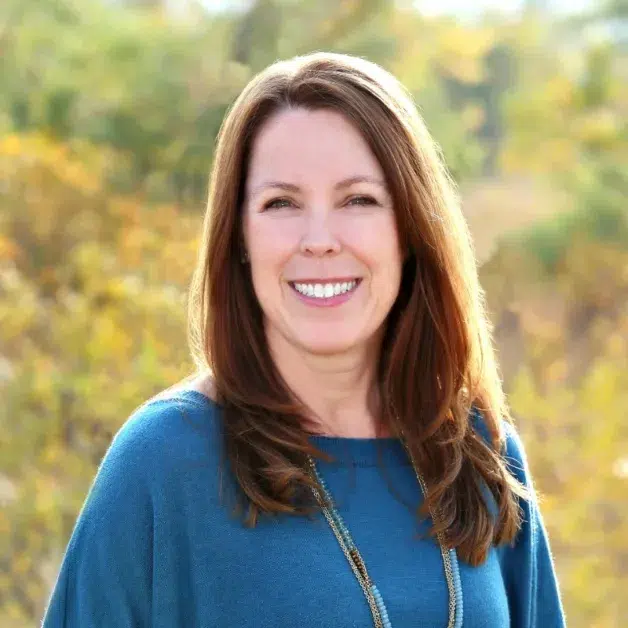
Big thanks to Whitney Elkins-Hutten for joining us today. To learn more about Whitney, visit Whitney Elkins-Hutten – PassiveInvesting.com – Apartment Investing.
Grab yourself a copy of the book Money for Tomorrow: How to Build and Protect Generational Wealth
Our Headline
Doug’s Trivia
- What are the only three countries to have participated in every modern Summer and Winter Olympic games?
Have a question for the show?
Want more than just the show notes? How about our newsletter with STACKS of related, deeper links?
- Check out The 201, our email that comes with every Monday and Wednesday episode, PLUS a list of more than 19 of the top money lessons Joe’s learned over his own life about money. From credit to cash reserves, and insurance to investing, we’ll tackle all of these. Head to StackingBenjamins.com/the201 to sign up (it’s free and we will never give away your email to others).
Other Mentions
Join Us Friday!
Tune in on Friday when our expert roundtable panel dives into the worst advice we’ve heard since starting our little podcast (This is episode 1800 coming up!).
Written by: Kevin Bailey
Miss our last show? Listen here: Stop Leaving Money on the Table at Tax Time (SB1798)
Episode transcript
[00:00:00] opener: And now we’re pleased to bring you our feature presentation [00:00:17] Doug: live from Joe’s mom’s basement. It’s the Stacking Benjamin Show. [00:00:31] Doug: I’m Joe’s mom’s neighbor, Doug. And how about a tail as old as time woman with not much money decides to buckle up and create a new life for herself. Resulting in becoming wealthy beyond her wildest dreams. I mean, it happens every week, right? That’s what’s in the spotlight today as we chat with a woman who did just that. [00:00:51] Doug: Whitney Elkins Hutten. In our headline segment, two big planning firms report data breaches on client accounts. Are you at risk? We’ll share details. Plus, and you knew this was coming. I’ll wind up and pitch you some of my winter meets money theme trivia, and now two guys who are to money. What Johnny Weir and Tara Lapinski are to figure skating. [00:01:16] Doug: I think I know which one’s. Johnny Weir. It’s Joe and oh Jean. [00:01:25] Joe: Hey there, stackers. Welcome to Wednesday. I can’t believe it’s almost Winter Olympics time. I am the Tara Lipinski of Financial podcasting. Joe Salky, you are. [00:01:37] Doug: With that smile of yours. You absolutely are. [00:01:39] Joe: We are, we are super happy that you’re here. [00:01:42] Joe: And the most flamboyant guy in personal finances with me, Mr. Og, and he is, uh, snacking. I’m like that waiter at the restaurant who waits until he is You got a mouthful of food and goes, how’s everything tasted? [00:01:57] bumper: How’s [00:01:57] Joe: everything [00:01:57] bumper: good? How’s [00:01:58] OG: everything tasted? [00:02:00] Joe: Mm-hmm. [00:02:02] OG: Yep. The, uh, glorious Costco chocolate brownie protein bar. [00:02:06] Joe: Fantastic. What is OG your favorite event of the winter Olympics? [00:02:12] OG: Hard to say. Favorite. I can tell you a few that I like off the top of my head. I like any of the downhill skiing things. [00:02:18] Joe: Me too [00:02:19] OG: s swallow or the super g or whatever. I mean, that’s just crazy. Basically, basically I’m watching myself. I think. [00:02:28] OG: I’m like, oh, this is what I do. But it is wild. If you’ve ever, ever gone skiing and you’d like track yourself. And you’re like, dude, I had like 22 miles an hour on that run. That was insane. And then you see these guys that are like doing 106, you’re like [00:02:44] Joe: on a little, on a little pieces of carbonate [00:02:47] OG: sheet of ice all the way down. [00:02:48] Doug: It is a sheet of ice. What most people don’t realize is that’s actually a safer surface for them to race on than any kind of, you know, what we would like to, anything that we would like to ski on would actually be dangerous for them. I [00:03:02] OG: like the lines when I ski, you know, it’s like the, the corduroy [00:03:06] Doug: You want corduroy? [00:03:07] Doug: Yeah. Yeah. I mean, that’s a dream. [00:03:09] Joe: I like the, um, you know, of course the bobsled, the, the luge, the skeleton. [00:03:14] Doug: I like skeleton. [00:03:15] Joe: Yeah, I like those events. [00:03:17] Doug: Head first. Head first. Down that track. Talk about taking your life in your hands. [00:03:22] OG: When we went to, uh, park City this past year, bunch of stuff you could do at the Olympic ski training thing. [00:03:30] OG: I don’t know. I don’t wanna say ski village. I don’t feel like it was a ski village. But they had like the little coaster thing that was like the, [00:03:36] Doug: yeah, [00:03:37] OG: the luge, it was the world’s slowest. Like at points I was like pushing myself. I’m like, this is so bad. Maybe it was just a weight distribution thing. Not sure. [00:03:45] OG: But, um, without gravity would’ve worked in my favor. And then they had tubing. You could tube down the ski jumps. Oh, [00:03:53] Joe: cool. [00:03:54] OG: And not like you launch yourself off and then land in the tube, but you just tube down the part where they land. Okay. When you look up, there you go, wow, that’s kind of up there. And then you get up there, it’s, you know, it’s like fake grass. [00:04:09] OG: Yeah. All shaped in one direction and they water it. Occasionally you’re sitting there with the tube and the guy, I just remember the guy’s like, I’ll just come down here and start down here. I’m like, can we just start right at the top, like way up here, like where I can hold onto stuff and not fall off the edge. [00:04:21] OG: And he is like, it’s fine. And he is like, keeps on. He’s like nudging me closer and closer to like. The slope. And so then he like stands there with his foot in front of the tube and he is like, all right, get in. And I’m not as flexible as is as I have been in my life. And so I’m like trying to fold myself into this tube. [00:04:36] OG: And he is like, all right, hey, if you fall, it sucks. And I’m like, wait, hold on. I fall like how many people fall? He is like, nobody ever falls like, well I have to wear a helmet. He’s like, you know, bye. And he like moves his foot and it’s like, hoo. And down you go. But it was super cool. So all that say, [00:04:55] Doug: so your favorite winter Olympic is in the summer on a tube? [00:04:59] OG: No, I’m just saying I like that part. So you know, it really put it in perspective. ’cause you’re like, you were like tubing down the part that they land on. Yeah. And then when you look back and you go and they launched their asses off of that thing way up there and they have to land here. It’s insane. [00:05:13] Doug: That’s the thing that is so hard for people who don’t spend a lot of time in winter sports and especially ski racing, is how much the camera flattens the pitch of the slope. No, you, you just cannot appreciate how steep they’re going [00:05:28] Joe: straight [00:05:28] Doug: down the slope is what they’re skiing on. And not even just the parts where in downhill and super g where there are jumps, but even a slalom course is significantly steeper than you realize. [00:05:39] OG: Well, and even the part that we got to tube down wasn’t the big one. It was, we called it the middle one ’cause there were three, but it was the first, like the, the real one that they do is like, you know, twice as high and twice as steep. And you’re like. I would, I would, I couldn’t walk down this thing without slipping and falling. [00:05:57] Doug: Can we just talk about this, the rest of the [00:05:59] OG: episode show? [00:05:59] Joe: I know, I was just, I was just thinking, listen about [00:06:01] OG: the ski r and not the ski race. The, um, you know the, they go around in a circle on skates, what’s that called? [00:06:06] Doug: Speed skating. [00:06:07] Joe: Yeah, short speed skate. Short track speed skating where they put four people on or six people on or whatever, and there’s just chaos. [00:06:13] OG: Did you see the one where the long distance one. And instead they took off and like basically lapped everybody first and then just stayed at the back the entire time. [00:06:22] Doug: Yeah. [00:06:22] OG: There’s so many people moving around. This person was just like on the two mile, the two mile thing that everybody goes off slow, went out like a cannon. [00:06:29] OG: Yeah. Lapped everybody and then just stayed at the back of the pack the entire time and one day and just [00:06:34] Doug: drafted, but was technically ahead of them. Yeah, because they had lapped them so many times. Yeah. But you’re [00:06:38] Joe: also staying out of the mess. ’cause when that, when that hits almost every time they do it. [00:06:42] Joe: It’s crazy, man. We got that coming up. We got the Super Bowl coming up. We got a lot of sports, but we got a sport today. How about making more money? There’s a sport and everybody, if you’re a stacker, listen, you’ve dreamed about this idea of, man, what if I start building my stack and things go better for me and better for me over time? [00:07:03] Joe: How do I get there? What’s the strategy? Well, the woman today who we’re gonna talk to, and Doug, you hit the nail on the head. You don’t have to really find your north star at first. You just have to start moving. And Whitney Elkins Hutten is gonna tell her story. And man, this woman has a mast. Just a portfolio of investments that is pretty darned amazing. [00:07:25] Joe: So we got Whitney coming up. We’ve got Doug’s trivia coming up. We’ve got a headline about, sadly, some people who, uh, might not be in a great spot right now because their information was compromised. We’re gonna talk about all that today. But first we got a couple sponsors who help us keep on keeping on. [00:07:44] Joe: We’re gonna hear from them. And then Whitney Elkins Hutten. Let me tell you just a little bit about her before, before we go to the sponsors. This woman, I’m gonna have her tell this complete story, but listen to this. Whitney stumbled into real estate by accident and after her first rental that went. [00:08:03] Joe: Super well. She thought she was a genius and hit this hard rock and realized, oh, this might be a little harder than I thought. Which some real estate investors, a lot of real estate investors run into that. But today, over 6,500 rental units, 15 car washes, more than 2200 self storage units. This woman is a partner in over $800 million of real estate, and she’s building wealth for tomorrow. [00:08:35] Joe: But you know what? It started with a single investment and went from there. Whitney Elkins Hutten going to share her story when we come back. [00:08:54] Joe: And I am super happy she’s making her way down to the basement. Have a seat. Whitney Elkins Hutten is here. How are you? [00:09:00] Whitney: I’m doing great. Thank you so much. This is gonna be fun. [00:09:03] Joe: Well, I’m super happy you get to help us, not just with, uh, a little bit of real estate 1 0 1, but really more about thinking differently about your money and thinking bigger about your money. [00:09:15] Joe: But initially, I know you well, even before we get to that, Whitney, let’s do the book on Whitney really quick. You’re a partner and more than $800 million worth of real estate, including over 6,500 multifamily units, 2,200 plus self-storage units, a dozen car washes. I wanna get back to the car washes and even more so people think, well, Whitney. [00:09:41] Joe: You know, she’s always had everything together, but that wasn’t the Whitney in 2002. Can you take me back to 2002 and tell me how your life kind of changed then to create the massive net worth and opportunities that you have today? [00:09:59] Whitney: Well, 2002, I did not have my stuff together much at all. Actually. I, uh, was in the process of buying a house with a significant other and, uh, didn’t really know much about money. [00:10:11] Whitney: My parents didn’t, you know, they were great. They taught me what they knew, but that was the old standard narrative. Go to school, get a good job, contribute to your 401k, and that’s it, you know, write it out for 40 years. I had a little bit different vision for myself. [00:10:25] Joe: Wait a minute. Even then you did, in 2002 you had a different vision. [00:10:29] Whitney: Yeah. I always thought, you know, I’m kind of the unemployable type in a way. I don’t get me wrong, like I do still work, but I create my own work. But then I was a person that was always challenging. You know, you want me to do what? What’s the rate of return on this? My dad was a, a VP of sales and business, and so I grew up talking KPIs and Oh wow. [00:10:53] Whitney: Setting goals and breaking things down. I mean, that was just, I didn’t know what I didn’t know like that. That’s not how most people are brought up. But I didn’t have the financial acumen to match with that. But you know, here I am, like always challenging the status quo. You know, when you’re like a 20 something year old, that’s not what they hire you for. [00:11:13] Whitney: They hire you to be the worker bee. And so here I am in, you know, working in public health. I’m supposed to be the worker bee. I eventually get elevated to running the programs and doing the research programs. So, yay me, I’m, I’m now in charge of something. And I think it wasn’t because I was that smart, it was, they just, they did, they needed me. [00:11:33] Whitney: They needed to point my energy in, in a more productive direction, is what they needed. Anyways, my boyfriend at the time says, Hey, we should buy a house. This seems like a great thing to do. I could fix it up. And I’m like, okay, he doesn’t have the money. I have the money. I’m the one with the job. I have the one with, you know, have a little bit of, you know, a couple pennies to rub together. [00:11:53] Whitney: We get, I get the loan, all, everything’s under my name, the house, the utilities, everything. And [00:11:59] Joe: did you know anything about real estate? [00:12:01] Whitney: No, my realtor had put the book, rich Dad, poor Dad in my Hands, and I read like the first two chapters. I’m like, got it by real estate. Duh. That’s what we’re doing here, [00:12:10] Joe: right? [00:12:11] Whitney: And I kind of skimmed the rest and I put it down. Well, I really wish I’d read the end of that book. Spoiler. I probably would’ve done th things a lot differently. But you learn from your mistakes, I think, more so than your successes, right? Because when you make a mistake, maybe it’s just the wrong decision and not an absolute failure. [00:12:29] Whitney: But regardless, you’re, you’re gonna learn more. ’cause if you succeed, there’s no reason to question what you did. So anyways, we buy this house, I mean, I’m talking, it has green shag carpet, psychedelic daisies painted all over the walls, straight outta the 19th. [00:12:43] OG: Sweet. [00:12:44] Whitney: I did not think it was sweet. My boyfriend did. [00:12:47] Whitney: I was sitting here going, wait a second. I think we just bought ourselves another job getting this thing. [00:12:54] OG: Yeah. [00:12:54] Whitney: Well, spoiler alert, relationship falls apart about a month later. [00:12:58] OG: Oh [00:12:59] Doug: no. [00:12:59] Whitney: So who’s swinging the hammer now and replacing the carpet and covering up the psychedelic daisies, putting in countertops right here, me. [00:13:08] Whitney: And, uh, anyways, I, I got really scrappy. I mean, that really tested me and, you know, put the house back together. I thought this whole entire time it’s gonna sink me, but I’ve got roommates paying the bills. [00:13:19] Joe: You immediately invite a bunch of roommates in because you realize this mortgage is gonna sink you if you don’t. [00:13:26] Whitney: Yeah, I, at least I thought it did [00:13:27] Joe: okay, [00:13:28] Whitney: but they’re paying me to live in a construction zone and then also helping me with the rehab. Hey, how many times would you like that deal? Anyways, fast forward 11 minutes later, I sold the property and the title company has, you know, a 20 something year old, a $52,000 check. [00:13:44] Whitney: Hello. I’m like, alright, uh, how many more times can I do this? Because that was great. [00:13:50] Joe: Lather, rinse, repeat. [00:13:52] Whitney: Exactly, so that was the first deals. I thought it was hot stuff on the second deal. Bought in the wrong. Well, can [00:13:58] Joe: we hold on before we get to the second deal? I love the fact how you stumbled upon house hacking, right? [00:14:03] Joe: Something that you and I talk about all the time now, Whitney. Mm-hmm. This idea that if I can maybe get a couple roommates or I buy a duplex or I, I I do something to help defray these housing costs of mine, it makes life easier. Mm-hmm. You stumble upon this thing that’s like one of the quote, great secrets of getting started in real estate immediately, and I’m sure it wasn’t all rainbows all the time with these roommates. [00:14:28] Joe: I gotta believe sometimes it was a pain in the ass. But overall it sounds like all’s well with the first house that ends well. I [00:14:35] Whitney: mean, you don’t know what you don’t know. Up until that point in time, I’ve been living with roommates and so that nothing had changed for me. And, and you know, as far as like lifestyle, I mean, did I wish I had a little bit more space in my own house? [00:14:47] Whitney: I mean, that’s what I get into the deal thinking that I’m gonna live with just one other person. That’s for right. And then two dogs and a cat. You know, I thought it was the, the picture of life was very different for me. [00:15:01] Joe: It is now Whitney’s farm. So anyway, now your ego is massive. You got a $50,000 check. [00:15:06] Joe: I’m just gonna do this again. And it sounds like you’re telling me you’re about to do house number two. Now [00:15:12] Whitney: do house number two. I’ll fast forward. So not nearly as much of a rehab. 2006 hits. Now most people hear 2008. Guys, most of that lending was happening in 2006. Guess who has an adjustable rate mortgage that starts, oh my lord, that starts adjusting in 2006. [00:15:32] Whitney: Oh, again, this one right here. Um, anyways, so I’m like, whoa, I’ve got a lot of things going on at the same time. My dad is in very poor health. My mom’s beside herself, not sure you know what to do. And so I’m traveling back and forth. I’m also working 80 hours a week, you know, I’m still working post nine 11 public health, you know, working on anthrax and bioterrorism stuff. [00:15:55] Whitney: So, you know, just you burning the candle at both ends five times in the middle. And, you know, I’m like, wow, that $52,000 really did not stretch very far. So long story short, I’m like, okay, I gotta sell this house and start over, you know? And I immediately figure out when I start to try to sell the property that I should have read the rest of that book. [00:16:16] Whitney: Rich Dad, poor Dad, because they say when you buy real estate, location, location, location. Mm. I bought a location I wanted, not in a location that everybody else wanted. Oh, and so it takes a year to sell that property. I get an offer actually within two weeks of putting it on the market. I turn it down ’cause my head’s this big, it’s huge. [00:16:39] Whitney: I get the same offer a year later and I’m like, okay, you know, tails between my legs. I’m like, I gotta take this because here I’m, again, this piece of real estate’s about to sink me. The whole transaction was just a pain in the butt. And, uh, it ended. Well. We closed, let’s put it this way. Both parties could not actually be in the, the same room in order to sign documents. [00:17:01] Whitney: The realtors kept us separate. They were mad because I wasn’t paying for this retaining wall. All I had to do was bring $6,000 to closing the retaining wall inflated to over $30,000. And the retaining wall failed within 24 hours of closing. And the bus that my neighbor had that had been. Just moved back onto the retaining wall. [00:17:22] Whitney: Okay. If you guy, this is how a bus falls into the roof of the property. It’s whenever the bus is parked above the property on the side of a mountain and the retaining wall collapses. And [00:17:33] Joe: you’ve got a bus that’s your neighbor’s bus. [00:17:36] Whitney: Yes. [00:17:36] Joe: And there’s a retaining wall [00:17:38] Whitney: and a retaining wall. [00:17:39] Joe: And the retain [00:17:40] Whitney: house [00:17:40] Joe: gives away and the bus comes down the hill. [00:17:43] Whitney: Everything goes into the property with the guy in it, with the, her tenant in it that has shotguns. [00:17:51] Joe: Oh [00:17:53] Whitney: yeah. [00:17:54] Joe: Nobody’s hurt though. [00:17:56] Whitney: No one’s hurt physically. [00:17:58] Joe: Sure. [00:17:59] Whitney: It was a whole jam, you know, afterwards. But the buyer was the one that contracted the wall. I didn’t contract the wall at all. I just brought 6,000 close. [00:18:09] Joe: Yeah. [00:18:10] Whitney: They did all the work, um, the way it was all set up and the transaction was set up, so their wall failed, not my wall. [00:18:17] Joe: Wow. Thank God. Holy cow. Because I can imagine your wall failing. And, uh, you, you mentioned something too that it was a, it was a piece of property that appealed to you. And I think we run into this all the time, especially if we think we’re thinking about going into investment properties, that what appeals to me is probably the same stuff. [00:18:36] Joe: But what, what was it that appealed to you that made it harder to sell? [00:18:42] Whitney: Well, I’m a climber and so I wanted to be in the mountains. Oh, near the mountains. The property was at just under 7,000 feet and like right outside of Rocky Mountain National Park, I mean, who wouldn’t wanna live there? Beautiful. [00:18:55] Joe: Yeah. [00:18:55] Joe: Me to sign me up. [00:18:57] Whitney: And most of that community is a retirement community. So when I go to sell the property, pretty much every retiree is in their late fifties, sixties, maybe even their seventies. There were 19 steps from my, where you parked your car up to the porch. I had people that didn’t even, you know, they come from Florida. [00:19:18] Whitney: Wanting to have a cabin in Estes Park, and they only make it halfway up the steps. And they’re like, we can’t see the property. This is just too much. [00:19:25] Joe: They don’t even make it to the house to see if it’s, they [00:19:27] Whitney: don’t even make it [00:19:27] Joe: to the [00:19:27] Whitney: house. [00:19:28] Joe: Oh my goodness. But my question, obviously, when I listed all of those amazing properties that you own, clearly this, this failure did not stop you. [00:19:39] Joe: And I’m wondering because I would think to myself, Whitney, I would think, okay, I did really well my first time, second time. Wow. I made a lot of mistakes. I guess I got lucky my first time. I think I’m out. Like I think I’m done. But you, you went the opposite way. What was the thought process of going, you know what, I think this was the mistake. [00:20:01] Joe: The second one, and I can do this better. ’cause you, you kept going. [00:20:06] Whitney: Yeah, it did. I think a lot of people thought I was nuts, including my husband. ’cause you know, we’re dating at this time. The, the whole bus falls in the roof of the property and he was outta town when that happened. He comes back into town, he goes, ha, are you done with this real estate thing? [00:20:21] Whitney: And I’m like, Nope. [00:20:23] Joe: And I got a story. [00:20:24] Whitney: Here are the next three properties that I wanna take this capital and go invest in. But now I’m looking at location, location, location. I still haven’t stumbled across cashflow. Right. So at this point in time, I, I saw for one mistake and then, um, I quickly uncover with my next properties, it was like, oh, I don’t want equity. [00:20:46] Whitney: I need equity and cashflow. I need to be able to grow my nest egg, but what’s gonna actually get me outta my day job so I can, you know, feel comfortable about taking that leap, starting my own business. You know, if we have kids staying at home with the kids. Is actually having cash come in the door, like lock work on a regular basis that I don’t have to trade time for. [00:21:06] Joe: Yeah. And can we, ’cause I do wanna dive into that, but before that, when you said you made a mistake, you were, it sounds like then you were flipping houses. So you go into flipping houses, which gives you these big, you know, $50,000 lumps of money because now you’ve solved to do it better than the second time. [00:21:22] Joe: But flipping houses is a time intensive. Like this is a JOB after your JOB. Even if you hire a team of people, Whitney, well you already know this, but our stackers don’t, even if you’re a team of people, it still is activity based. You have to keep the team running, you gotta stay on top of them. Like flipping houses is not a passive investment at all. [00:21:43] Joe: Don’t get me wrong. You can make up money doing it, but it almost is another full-time job. [00:21:48] Whitney: It is. And you know, this is something that you know the stackers can really take to heart if you are willing to put in the work. I just moved into one of our flips. We did kind of a slow flip while living there for two years. [00:22:03] Whitney: We did the cabinets and the flooring and painted and reworked some of the, the systems, you know, systematic in [00:22:09] Joe: two years is because of the capital gains tax at the time. [00:22:12] Whitney: Yeah. So we took advantage. So that’s what worked so well on the first transaction was the 1 21 exclusion, which is kind of like the 10 31 exchange. [00:22:21] Whitney: But for us common folk, right? So we can actually like improve a property and as long as we live in it in two of the last five years is our primary residence. We can actually sell the property at a gain. And if you’re single, it’s $250,000. You get to keep tax free. If it’s your have a spouse spousal equivalent, you can keep $500,000 tax free. [00:22:44] Whitney: We all need a roof over our head. We’re all living somewhere. And if you’re willing to. Put in the work to actually force the improvement, the equity improvement on the property. You can make good chunks of change that way and keep them tax free and continue to level up. It’s not for the weak of heart, though. [00:23:02] Whitney: It’s not passive, right? It’s anything but passive. Right. But it is a great way to get started. And then if you can combine that with house hacking, right? Like if you have a mother-in-law suite or you get a duplex, or if you’re really brave, you wanna live with roommates. I mean, the first year my husband and I were married, we had a roommate. [00:23:20] Whitney: I know your eyes, Joe. Were like, what? Yes. We had him roommate. It actually wasn’t by design, was his old college roommate, and he just kind of popped in and popped out. We were taking care of his dog, but he was paying rent. And we’re like, Hey, it works for everybody. So there you go. [00:23:36] Joe: Wow. But you get this aha. [00:23:38] Joe: You’re like, wait a minute. What I really want is my time. And this is a big aha that you have. You’ve been thinking about income, and I like the way you write this, Whitney, that you’ve been thinking about income as linear and you need to think about income as residual. And our stackers might not know the difference between those two terms. [00:23:58] Joe: So can you talk about linear income streams versus residual income streams? [00:24:04] Whitney: Yeah. You know, I’ve landed on kind of different terminology on you have like one time income, that’s where you trade your time for a dollar, you go to work. Okay? Now if you do a flip, okay, that’s still trading time for money. You just get larger checks and then you can have, you know, temporary short term income. [00:24:23] Whitney: So maybe you buy a rental and you know you’re only gonna hold onto to it for five years. You’re getting income that way, and then you can have forever income. Now here’s the thing, most people get really attracted to the large checks. They’re like, that’s what everybody tells us to do is build our nest egg as quickly as possible. [00:24:44] Whitney: But what actually pays the grocery bill is having stacks of all those smaller residual checks, and the more you can stack ’em up over time where you’re not trading your time to get that money at all, that is what’s gonna unlock the golden handcuffs for you. [00:25:04] Joe: I used to think that my enemy was not having enough money, and don’t get me wrong, in my twenties, that was totally the thing. [00:25:09] Joe: But the older I get, the more I realize Whitney, and this, I think is part of your aha, was at the, at this point, your story, you had this aha. Long time ago Now, is that my true enemy is time, like this time freedom that I can buy myself to do the things that I want. I just don’t have enough time to do all the stuff I want to do. [00:25:28] Whitney: Yeah, we have a 13-year-old and you know, we’re constantly like reminder, you know, she gets up and she’s like, I don’t wanna go to school. And I’m like, Hey, you wanna go to my wanna go to work? I got clients today. Here we go. Let’s trade it. You know? And she was like, no thanks. Okay. [00:25:43] Joe: And pass, [00:25:44] Whitney: pass. And I’m like, you have time right now. [00:25:46] Whitney: Let’s enjoy it. Because soon enough. And we’re teaching her how to build income streams so when income comes in, she is right now time is what she has. And I’m like, you get a large check at Christmas from grandma and grandpa, you know? Now I just have to ask her, how much do you want to put aside? And this year she was like, one third, I’m gonna invest one third. [00:26:10] Whitney: Didn’t even, I didn’t even have to ask her. She just told me that’s sweet. ’cause she, she understands that time is her best asset right now. But I didn’t learn that until my thirties. [00:26:21] Joe: Yeah. [00:26:23] Whitney: I am so jealous of her. [00:26:26] Joe: There’s also, and this is a big point that you make, you know, you can be a business owner and still have that income. [00:26:35] Joe: Linear meaning I’m working in the business versus being a business owner and not, and it’s funny, back when I was a financial planner, and that was a long time ago, Whitney, but when I was a financial planner, if I met an entrepreneur, my very first question would always be, are you working for your business or is your business working for you? [00:26:54] Joe: And you know exactly Whitney, what 99% of the business owner said, no, I created this. So I’d have more freedoms. But I have far fewer freedoms because I work for my business now. And this is another big aha I think you have, which I think was important. In 2018, you had like all of these catastrophes hit at one time and you end up having this big aha that I’ve gotta change things. [00:27:24] Joe: Mm-hmm. Can you tell us about 2018? Can I take you back there without needing therapy? [00:27:30] Whitney: No, it’s a scar. It’s not a wound. So we can go back. It’s totally fine. Um, so in 2018, we’re well on our way to having 20 properties under our belt. It’s [00:27:40] Joe: going [00:27:40] Whitney: really [00:27:41] Joe: well. [00:27:41] Whitney: It’s going really well, and a lot of that is, uh, we are able to execute on what we call the bur method. [00:27:47] Whitney: You buy a property below value, we rehab it, we rent it, put a tenant in there, we refinance, and we’re pulling a large chunks of our capital out and just recycling, recycling, recycling to scale. My husband has a mountain bike accident and breaks his neck. [00:28:05] OG: Oh my God. [00:28:05] Whitney: Yeah, so, you know, we know immediately he’s gonna be able to walk, talk and all that sort of stuff. [00:28:12] Whitney: So it, but you know, it’s a long road. We knew the next six months are gonna be really painful for him, you know, to, to heal and recover from that. But, you know, thankfully we were so thankful. I mean, the biggest prayers were answered at the very beginning. Yep. He’s fine. You know, walk, talk, everything else we can deal with. [00:28:29] Joe: But he’s been working on these houses and now he’s on the bench. [00:28:34] Whitney: He’s on the bench. We actually have property management and we have a team built at this point in time, but he’s financing’s under my name, half is under his name, so I need him to make phone calls, you know, now he’s like signing over power of attorney so I can make phone calls. [00:28:49] Whitney: It was a whole nightmare. About three weeks later we found out my mom had passed away, and so everybody kind of goes three weeks later. How did she found out your mom passed away? Well, my mom and I. A little oil and water. We love each other, but it wasn’t unlike us not to, you know, go through a couple weeks or something without talking to each other. [00:29:12] Whitney: And, uh, it was to the point where I’m like, the lady’s not answering her phone. I’m going down there. Oh no. Oh no. Yeah. I think worse thoughts And there you go. She was older and had health issues and fortunately went very peacefully. But we have to deal with a house. [00:29:29] Joe: All of her estate stuff, [00:29:31] Whitney: all of her estate stuff. [00:29:31] Whitney: Finance is incomplete, disarray, houses in foreclosure. Um, you know, all of these fun surprises. Okay, so my husband is, you know, one, he can’t help me with the rental business. Two, he’s in this big neck brace. And so we’re, can you imagine sitting in this house, my mom’s house, just total, you know, I mean, technically a hoarder house, but she just didn’t throw away paper That was her jam. [00:29:56] Whitney: She just, her whole filing system was in the floor. So he is sitting here with. Neck, broken in a neck brace. Oh my God. It’s trying to like look at every financial document. He can’t lift anything. And so I’ve got, you know, my little, my little kids running around. I’m trying to like manage like what are we gonna do? [00:30:10] Joe: And you’re [00:30:10] Whitney: starting to [00:30:11] Joe: mentor people at this point too, right? [00:30:13] Whitney: I’m mentoring everybody. And then finally I just, I pick up the phone, I call the, our two property managers and I’m like, so you remember how we were going to say that we were gonna steal this and you’re gonna be the eventually the our director of operations, that date is today. [00:30:31] Whitney: Don’t call me. I will call you. Do you need anything right now? I’ll give you 30 minutes of my time. Otherwise I’m out for the next six weeks. [00:30:38] Joe: Wow. And you went to then these very short meetings with people and all of a sudden, but thank goodness you had that and this is the key. You had done enough building. [00:30:48] Joe: To that point that you could, maybe not as easily as you could now, but you could at that point flip that switch and make the change where you did have the time freedom to take care of the important things. [00:31:00] Whitney: Mm-hmm. But what allowed us to do that was actually having cashflow on all those properties, and not investing purely for equity growth, but making sure that you know, the properties, each of them on their own could stand all of the expenses. [00:31:15] Whitney: Principal interest, taxes, insurance, CapEx, maintenance, as well as property management. And that, you know, for newer investors getting into real estate, I see quite often they’re like, oh, well I’ll just save on the property management and I’ll do all the management myself. Absolutely. Put that line item in your budget because you just, you don’t know when you’re gonna have to flip that switch. [00:31:37] Whitney: I mean, I pray you not have to flip the switch for the reasons why I had to, but at some point in time you’re gonna wanna like take a vacation. Um, maybe just like, even like become way less active. You’ve actually underwritten your labor expense into the business. And that’s where it kind of becomes like when we invest, especially into controlled assets like this, not just in stocks, but controlled assets. [00:32:03] Whitney: We have to run it like a business. We need to elevate ourselves as the owner out of the business, which means, you know, at some point in time we have to put in those additional labor pieces and then, you know, you find the right time to kind of, again, pull that switch. [00:32:19] Joe: Yeah, I see that mistake with people in real estate is we don’t treat it as, you know, people want to talk about real estate being passive and then I dive into it. [00:32:27] Joe: Next thing I know some of the real estate owners that I know are in this living hell. Because they haven’t treated it like a business. It is this, I’m duct taping everything. And now I have an incredibly active role when I could have done this completely differently. But I know with a lot of people, they’re listening to you, Whitney, and, and this gets them excited that you’ve always roblox thrown in your way and yet you persevere. [00:32:53] Joe: And using the Bur method, which we’ve talked about here on the show before, you know, learning from every mistake quickly. I think there’s this lesson of fail fast and learn fast. Right? Go ahead and make the mistake. ’cause you’re gonna make it anyway. But then learn if somebody’s excited now to get into the world of real estate. [00:33:12] Joe: You know? And I know that that first down payment for a lot of people is the bear. [00:33:19] Whitney: Mm-hmm. [00:33:19] Joe: If we’ve got a new stacker today that wants to get started. How do I get into that first house? Because the second one I think would be easier than the first one. If I do something like read your book or go on the BiggerPockets website or whatever it might be, how do I get that first down payment? [00:33:37] Whitney: One, you have to make sure that your net income positive, so meaning that your income has to be greater than your expenses. Okay, so what you gotta track your income and expenses and get it in line to where you actually have more income coming in than your expenses, so you can save. I help my clients understand, like really when we’re talking about creating wealth, we’re pulling three levers. [00:34:01] Whitney: Everything else is a tactic. The strategy is we’re increasing income, decreasing expenses, or adding additional streams of income. You know, either getting more assets or compounding right? And then we’ve got the fourth, which is time. The more time you have, the less massive pools we have to make on the three levers, we can kind of take more of a glide path. [00:34:22] Whitney: First order of operations, income and expenses. Let’s get that all figured out. Now, I always challenge everybody is to get into relationship with your expenses, okay? Don’t just be like, okay, great, like I can save $300 a month and not have to dive into my savings to pay my credit card bill. Get into relationship with your expenses. [00:34:43] Whitney: I actually have my coaching clients. We will map out every quarter I have them put five expenses in front of them that they, if they actually reduced or eliminated, we actually don’t put that back into their daily bucket of of funds they can spend. We save that. Oftentimes when I have them map everything out and we actually look at the savings and we annualize that savings, their next down payment is sitting in their expenses [00:35:10] Joe: right in front of them. [00:35:11] Whitney: Right in front of him. But the thing is, is that, you know, most like Monarch, Quicken simplified those, they don’t show you those softwares don’t show you that. You literally just have to create a simple spreadsheet, monthly expense, annualize the expense challenge yourself. Can I eliminate it? Can I renegotiate it, can I reduce it? [00:35:31] Whitney: And then annualize that savings, that net savings between the two. And I mean, I, I mean I had one coaching client recently that found 85. I’ve been working with him and we found another $85,000, that [00:35:44] Joe: $85,000 [00:35:45] Whitney: between personal and business. Sure, yeah. He has two businesses. But I mean, and then we’ve got the big levers that we can pull. [00:35:52] Whitney: You know, [00:35:52] Joe: before we get to the big lever though, I want to, I wanna pause on the expenses though that you’re talking about right now, because you know, when I was first doing my homework on Whitney, I read somewhere that Whitney doesn’t like budgets, right. And I’m like, well, who doesn’t like a budget? I mean, a lot of people don’t like budgets, but people in finance preaching this stuff. [00:36:11] Joe: But then I realize it’s because this relationship thing you’re talking about is a budget doesn’t question the relationship between you and the expense where you’re much more about almost the Marie Kondo of expenses. I let it go, does this, does this expense actually bring me joy? Right? Is this something I really need? [00:36:30] Joe: And that’s what you’re questioning. Does this bring me joy versus using this to build an asset that could give me joy forever and ever down the road? [00:36:39] Whitney: Mm-hmm. Well, and there’s another exercise. So I like taking this expense reduction exercise and marrying it with another exercise that I call a happiness formula. [00:36:48] Whitney: And that our happiness really boils down to experiences we have. How do we invest in our growth? And these questions different for everybody. The answers are different. And then how do we give back in the world? For me, like my experience is I wanna take my daughter to every national park. You know, I wanna go to the Olympics and like the World Cup, somebody else might go, I wanna own an island in Fiji. [00:37:12] Whitney: Right. Very different. Anyways, write that down. Because when you actually think what actually will make me happy from an experience standpoint or what? Like I wanna take a survival class. That’s how I wanna go. My husband, he is, that’s not his jam. I was just say, but if he can walk, I, [00:37:28] Joe: he had me at National Parks. [00:37:30] Joe: You lost me at survival. [00:37:32] Whitney: Uh, I grew up in West Texas, so I know you’re from Texas too, so there is a little bit of country in the girl still. [00:37:45] Joe: That’s awesome. [00:37:45] Whitney: Now, okay, you, you answer these three questions. You really think into it and, you know, continue to think into it over time. Like every year I add to this list. And then it makes it really easy for you to go. Does having five streaming services like help my goal to like take my daughter to the and my husband to the Olympics? [00:38:06] Whitney: No. Like that’s a Now an easy no. Like if it’s not on my list. If it’s not on his list. And now we’re she, our daughter’s 13, we’re incorporating her into the planning. It’s not on her list. It’s easy. Like we were entertaining going to visit Florida to go to the Everglades for spring break this year. [00:38:24] Joe: Oh, that’s so fun. [00:38:24] Whitney: Well, no, hold on. I was like, I don’t wanna go back to Florida. She doesn’t wanna go to Florida and you hate going to any place human. I’m like, why are we gonna Florida? So we asked the vacation, but it’s just questioning. [00:38:41] Joe: Well, and that’s funny ’cause look at my reaction. My reaction was that’s great, but it’s gonna be different for everybody. [00:38:46] Joe: It’s gonna be a hundred percent different for everybody. I want to, uh, sidestep for just a moment because, you know, I’m going down all the different types of investments that you have and car washes, and I said, I wanna go back to car wash. How the hell do you go? You know where I think the money is? It’s in a car wash. [00:39:08] Joe: Like, tell me the story of buying your first car wash. [00:39:12] Whitney: Mm-hmm. So at this point in time, I’m doing investments in partnership. Okay. So large multi-family, you know, I mean general partner and large multifamily projects, sell storage projects. And, you know, it’s about 2018, uh, end of 2018, we can already see that cash flow is getting compressed in, you know, multifamily assets. [00:39:32] Whitney: We’re trying to figure out how to add additional streams, strong additional streams of income. You know, my husband and I were like, we have enough like real estate. We should add in a cash flowing business. Okay for diversification in the portfolio, you know the managing partners are doing that as well. [00:39:52] Whitney: We look at parking lots, we look at LA mats, even pickleball courts, which the managing partners, they have pickleball courts, they love ’em. What would our investors actually be attracted to? And we landed on not just car washes, I have to be very specific. It’s an express car wash, not the ones where you drive in your car, the concrete box, and you drop your quarters and you pray your kid doesn’t spray you with the hose, [00:40:16] bumper: right? [00:40:17] Whitney: Not the full service ones that have an army of people and then are very labor intensive. We’re talking about the ones with the long tunnels where [00:40:24] Joe: it’s the quick ride through, [00:40:25] Whitney: quick ride through, but, and the tunnel is a smart tunnel. It’s doing the heavy lifting. ’cause when you’re operating a business, one of the number one ways to control expenses is to lower your labor costs. [00:40:39] Whitney: This is why a lot of real estate professionals. New landlords try to do everything themselves as opposed to outsourcing because they think of it controlling costs. We’re not trying to eliminate labor, but how can we control it and reduce it as much as possible? And so express car washes allow us to do that. [00:40:55] Whitney: You know, for three to four full-time employees we can wash 400 and 500 cars a day. [00:41:02] Joe: Wow. [00:41:02] Whitney: And you can put that on a subscription model. Not all the washes. You don’t, you don’t want all your washes on subscription model. You want a certain percentage. You know about, I’ve [00:41:11] Joe: seen that. We’ve seen it in Our town when I take mine to even Express car wash right in Richmond Road here in Texarkana. [00:41:17] Joe: And every time I pull up they’re like, do you want just this card, which will give me the subscription so I can come through whenever I want. [00:41:25] Whitney: Yep. And so, long story short, now we’re cash flowing businesses, you know, Stacking that on top of what we already built. Now I would never tell anybody not to start there, but you have to understand you’re buying into business. [00:41:37] Whitney: Businesses have seasonality. Okay. You have to understand it’s a little bit different. Underwriting also, these type of businesses generally don’t have property management attached to them, and so it’s gonna be heavier on the operational cost. We actually have scaled our own property management company for express car washes. [00:41:57] Whitney: Um, but it’s a whole different beast than if you’re just, you know, doing rental real estate. [00:42:03] Joe: Yeah, it’s so interesting to see your story of starting with this first house that was a big mistake and ending up with car washes and a very specific kind, and you know exactly what you want. And as part of this bigger idea of how I’m creating this future for myself and then creating generational wealth. [00:42:27] Joe: If only somebody, Whitney had written a book about this, that would be kick ass, wouldn’t it? [00:42:32] Doug: Yeah. [00:42:33] Joe: I wish somebody had written a book about like, as an example, a book that we might have touched on, a couple ideas from. But the first section would be like the foundation, like the foundation of a house. And then the second would be about creating wealth and value-based spending and wealth formulas. [00:42:51] Joe: And then the third section would be about how to keep wealth by putting your spending habits in check and about making sure the four horsemen that destroy wealth. Don’t get to it. Maybe call me crazy. A fourth and fist section about growing your wealth and passing wealth on. Like that would be nuts if somebody made a book about that. [00:43:09] Whitney: I know, right? Oh wait, I did. [00:43:13] Joe: You did? I [00:43:14] Whitney: did. Who knew? Who knew? Yes. The [00:43:16] Joe: book is called Money for Tomorrow, how to Build and Protect Generational Wealth. And you know what? We talked, we talked a fair amount today about real estate, but guys, this is not a real estate book. These are the things that you need to know if you’re going to build an empire of wealth that preserves all the freedoms you’re looking for in your life. [00:43:37] Joe: Mm-hmm. I mean, I’ve read a lot of books from BiggerPockets and people are BiggerPockets and we think real estate right away. I don’t think this is a real estate book, Whitney. [00:43:45] Whitney: It was not intended to be a real estate book. We do talk a little bit of real estate in the growth section. That is a bias, but I would say, you know, what is it two, almost a 300 page book. [00:43:57] Whitney: Yeah. And 250 of it have nothing to do with real estate. [00:44:01] Joe: No. And like you said, hey, you know, if you wanna start with car washes, I probably wouldn’t do that. But if you wanna start with car washes, you could start there. You could start with whatever the thing is. But I love how you tell your story and also some of the bumps that happened along the way. [00:44:16] Joe: ’cause I think that gives us all courage. Thank you so much for mentoring our stackers today, Whitney. We’ll link to all of Whitney’s work, not just the book on our show notes page at Stacking Benjamins dot com. Thanks for coming down to the basement. [00:44:29] Whitney: Absolutely. Thank you so much for having me. [00:44:32] bumper: Hey, this is Pete the planner, USA today money columnist and host of the Ask Pete the Planner podcast. [00:44:39] bumper: When I’m not fixing the weirdest financial situations you’ve ever heard of. I’m Stacking Benjamins. [00:44:50] Doug: Hey there, stackers. I’m Joe’s Mom’s neighbor, Duggan. While there’s a holiday later this month that’s supposed to make feel all romantic and warm, nothing is more romantic than the gift that Italy gave the rest of the world spending 1.9 billion cold hard dollars and sending us all to watch events unfold in Milan. [00:45:10] Doug: That’s right. This Friday marks the start of the 2026 Winter Olympics in both Milan and Cortina Ezzo. Coincidentally, it was on today’s date back in 1928. That New York governor and future US President Franklin Delano Roosevelt kicked off the first US Winter games in Lake Placid, New York, where athletes from 17 nations competed. [00:45:33] Doug: There’s no truth to the idea that Joe opened those games. He was busy probably traveling through Bavaria or on a ride at Disney. Wow. [00:45:39] Joe: I’m right here, man. [00:45:40] Doug: Maybe just stop talking about it every seven minutes. Today’s question is, which three Nations have participated in every single winter and summer Olympic games? [00:45:52] Doug: Get one, right? A high five. You get two. You can brag to your friends, get all three. I’ll brag about you the rest of the day. Here’s a hint. They all talk with funny European accents. The two of them have great food, not the athletes, the countries, although the athletes, you know, they might have good food too, I suppose. [00:46:19] Doug: Hey there, stackers. I’m downhill. Olympic Hopeful and Knee Surgery Champion. Joe’s mom’s neighbor, Doug. The Winter Olympics have always been my favorite. I mean, it’s hard to beat the pageantry, the bright colors and death defying speeds achieved by athletes wearing almost nothing and freezing temperatures. [00:46:36] Doug: Plus, you know, the Opre scene makes the Summer Olympics look like a church barbecue. Today’s question was, what are the only three countries to have participated in every modern summer and winter Olympic games? Since they started the answer, great Britain, really, Switzerland and France are the three nations that have participated in every single winner and summer Olympic games. [00:47:00] Doug: I’ll let you figure out which of those have Ty food. And now back to two guys who are gold medalists at the bar, Joe and og. [00:47:10] Joe: There’s no way I wanna be a gold medalist at the bar like I do. I do not want anything to do with that. [00:47:15] Doug: How about the salad bar? [00:47:17] Joe: The salad bar? Yes. That’s great. [00:47:19] Doug: Where the chocolate pudding is. [00:47:21] Joe: So, uh, here’s a bar that I don’t wanna be the champion of. Well, I’m conflicted guys, because when you drive from Texarkana up to the beautiful area, northwest Arkansas, Bentonville, Fayetteville, and all the gorgeous stuff up there, halfway is this town called Mina. Mina, by the way, was in the movie that Tom Cruise movie about the true story of Yeah. [00:47:44] OG: American Made. [00:47:45] Joe: Yeah, American made. The guy that smuggling drugs, working with the CIA and, and uh, just craziness.Oh,
[00:47:52] Doug: I saw that [00:47:52] Joe: in Mena there is a restaurant called the Branding Iron. And the branding iron has Douglas into this, a bread bar. Mmm. All you can eat. You just walk over there. They have all the different breads, all the different sauces. [00:48:08] Joe: They give you these little things and you scoop some sauces into your different, [00:48:11] Doug: what sauces do you need besides butter? [00:48:13] Joe: You got marinara. There’s ranch, different dipping oils. It is heaven. That bread bar is the death of me. I love it. But I’m always like, [00:48:22] OG: remind me to, uh, tell you guys a little bit about a potato recipe. [00:48:26] Joe: Potato recipe. Hmm. [00:48:28] OG: Caught wind of recently [00:48:29] Doug: intrigued. [00:48:29] Joe: Big thanks to Whitney Elkins-Hutten for telling her story about building generational wealth. And it strikes me, og and obviously the reason we wanted her here was it didn’t start there, it just started with my boyfriend wanted buy a property. And I was like, Hey, okay. [00:48:46] Joe: But the piece I really wanna pause on of her story as I go back and just think about that discussion we just had was this, that whether you’re buying real estate or you’re putting money into your first mutual fund. You might make mistakes. You might buy the wrong mutual fund. You might end up buying an individual stock, which you probably shouldn’t have done, or you might end up paying some fees that you didn’t, you know, you’re at the wrong broker, whatever it might be, you’re gonna mess stuff up. [00:49:17] Joe: But what I love about Whitney is when she messed up, she didn’t just go, well, it’s not for me. This investing thing isn’t for me. Which, how many times over your career have you seen it? I’ve, I’ve seen that way too many times. Well, that stock market thing, I tried it, I put money and it went down. So I got out like that was just, it was like, it was some kind of magic trick that went wrong when things went poorly for her. [00:49:40] Joe: She doubled down and said, okay, I know other people have done this before me. What am I missing? What am I doing wrong? And she corrected it. Like that’s, that’s the key to success, I think, is continually adjusting, adjust, adjust until you finally get it right. [00:49:58] OG: I think you have to have a, you know, there’s a little bit of a balance there between throwing good money after bad. [00:50:03] OG: You know, if you’re looking at it from a, like a business building standpoint or something like that, I think you have to recognize that you can have a big belief system that you’re gonna be successful, but if it doesn’t bear it out, you gotta be able to pivot. It doesn’t mean that you can’t be, if you don’t keep trying, but doing the same thing over and over again is, is kind of silly. [00:50:26] OG: So I think whether it’s investing or building business or whatever the case may be. You have to put up some guardrails of like, I’m gonna do this, then I’m gonna reevaluate. I’m gonna do this, then I’m gonna reevaluate. And I think, like you said, Joe, it’s like constantly improving and making small changes to your path. [00:50:47] OG: No different than you would if you were a. Drive across the country or something. You don’t just set out and go west. [00:50:53] Doug: I think the key there is small changes. It’s not the, you happen to invest shortly before oh eight and think, well, I tried, it didn’t work, and the market crashed and I’m out. Didn’t [00:51:03] Joe: work. [00:51:04] Joe: Well, that’s the other thing too, when things go wrong, you know, this idea of throwing good money after bad, taking the time to evaluate, is that what I actually did go back and almost like a professional athlete, since we’re talking about the Olympics and the Super Bowl today, they’ll go back and they’ll watch the tape and go, what actually happened? [00:51:23] Joe: There’s, there’s not conjecture, there’s not, well I know the stock market thing works for some people. If it didn’t work for me, so I’m out. Instead go, oh, here’s what I did. I invested in a penny stock. That is not great. Like do enough homework after you mess it up to figure out where the wheels came off the bus. [00:51:45] OG: Well, and I think there’s also a difference or an adjustment I should say. To the athlete watching video. If you are looking at it from the perspective of, I’m, I’m watching it for the first time, what did I do? Versus saying, okay, here’s what I remember happening. Now let’s go check the facts. [00:52:04] Joe: Uh, [00:52:05] OG: because I think a lot of times too, I, I’m thinking about some other business that I’m involved in. [00:52:11] OG: We think we saw it one way, and then you document all that and you go, this is what happened. And then you watch the objective video and you go, either I was right and I saw it the way that I thought I saw it and I evaluated that correctly. Or it happened a different way. And you go, Hmm, wait a second. Why does my brain say this is what happened? [00:52:33] OG: But the video says this is what happened. If you’re not paying attention to the story that you’re selling yourself. Because that’s really what a lot of this is too. It’s like either Wild Hope and optimism, or Wild Panic and stress. Very rarely are people like right in the middle, you know? And so again, back to the story that actually happened, the story that you think happened. [00:52:59] OG: We’ve got a tool in Strategic Coach that we use called the Experience Transformer, and it’s really just this list of questions of like, this is what happened, this is what went really good in that process. Here’s what went really bad. And you know, if I fixed the bad things, could I repeat this more successfully in the future? [00:53:19] OG: And what would that look like? Same thing when you’re looking at real estate or stock investing or building your business or whatever. Constantly evaluating. That’s why I think it’s really interesting. People say like, oh, you just said it and forget it. Really, I don’t know, [00:53:34] Joe: ish. [00:53:34] OG: That’s not me, [00:53:35] Joe: ish. [00:53:36] OG: Yeah, [00:53:36] Joe: I mean, you said it. [00:53:37] Joe: I don’t think you can quote forget it, but you need to have that mind frame of, I’m not gonna make moves, but I’m gonna continue to go. Am I on the course? Is this still working for me? Am I close enough to the spot where I need to be changing the level of risk that I’m taking in this investment? It is this fine line. [00:53:57] Joe: I just think, you know, hearing Whitney’s story, so she gets really lucky on that first property. The second property goes completely fubar. At the end of that second property, I would’ve gone, oh, I was just lucky the first time and I’m out. I’m not, I’m not doing real estate anymore. And frankly, that’s kind of what I did with real estate. [00:54:12] Joe: Now I know a lot more now than I did at the time that I owned real estate. [00:54:17] Whitney: Right? [00:54:17] Joe: And maybe, maybe I would do things way differently. I just know that type of investment, not for me. It’s for a bunch of people, which is why I’m happy that we had Whitney on because especially when it’s a hands-on thing like real estate, it’s, it’s fantastic. [00:54:32] Joe: I also love her lesson that flipping houses is active and this is a full-time job, and your goal with your investment strategy, and don’t get me wrong, like she said, oh gee, nothing wrong with flipping houses, but just realize this is a job. If you want more passive investing, well then certainly buying a house and putting a tenant in it is 10 degrees more passive, still not a hundred percent passive. [00:54:59] Joe: Not like owning a mutual fund is, but this idea of shifting your income streams, I think can be pretty powerful as well. Good stuff from Whitney, and again, we’ll link to her book on our show notes at Stacking Benjamins dot com. Let’s do our headline. [00:55:16] Whitney: Hello darlings, and now it’s time for your favorite part of the show, our Stacking Benjamins headlines. [00:55:23] Joe: Today’s headline comes to us from investment news. This is written by Bruce Kelly, LPL Ameriprise report, online attacks on client’s accounts, data to Maine. Boy, this puts a pit in your stomach. LPL Financial and Ameriprise Financial Services recently set letters to some of their clients detailing attacks on their private information regarding LPL. [00:55:46] Joe: The attack resulted in so-called quote pump and dump trades from September 30th to October 10th of last year, and 53 client accounts in respect to Ameriprise, a financial advisor fell prey to a phishing scam in December and potentially left sensitive information vulnerable for almost 600 clients. Both were reported recently to Maine’s Attorney General, which publishes those incidents online. [00:56:10] Joe: Both companies, of course, right away reported their data breaches. They say in this POG, especially when advisors are moving from one company to another, attackers are really getting smart about the fact that this is a great time when they can. Go on the attack and potentially get, but because there’s some confusion going on, right? [00:56:34] Joe: We don’t know who the new players are with the new firm. We don’t know who the players were. With the old firm, it’s an easier time for hackers, for scammers to jump in. I also think though, this isn’t just financial planners. I mean, my wife works in the healthcare field. We’re seeing data breaches now all the time in healthcare. [00:56:53] Joe: As the person who works at the front desk fairly easy to fool into, you know, letting somebody into someone else’s account. [00:57:06] OG: I was recently, well, first of all on the healthcare side of things, my daughter, who’s nine, just got a letter from the hospital where she was at some years ago that said, oh, you know, your information was all stolen so we, you know, you can set up free credit monitoring on Experian. [00:57:21] OG: I’m like, she’s nine. And I was like, really? But you know, the thing that I’ve started doing recently. And by recently, I mean, you know, probably in the last five or eight years is, you know, a lot of places will ask you for personal information and I go, do you really need that? And they go, I, you know, we just need your social. [00:57:41] OG: Really? What if I say no? [00:57:43] Doug: Yeah. [00:57:44] OG: Like what if I just say like, what happens then? I’m not trying to be a jackass. I’m just saying like, what, what can’t we do if I don’t give that to you? Oh, well we just like to have that on file. I’m like, well, no offense to you and your high power security that you got here, but if they can hack Citibank and Ameriprise and the, the one I thought you were gonna say today, which was all over the news, because of the fact that they didn’t tell anybody was betterment. [00:58:09] OG: Which couldn’t happen to a better company. The fine folks at Betterment were hacked with a ransomware attack. They didn’t tell anybody or pay the ransom. Of course, I don’t remember the number. It was like 6 million or 600,000 or something. People, oh boy. Name. All their personal identifiable information, all their know their customer information, name, address, social, date of birth, all that stuff was hacked. [00:58:34] OG: And what’s crazy about it was they didn’t tell anybody. They tried to like, solve it internally without [00:58:39] Joe: making, they’re not anybody. Part is the horrible part. ’cause look at this, I mean, Ameriprise. [00:58:43] OG: Shocking, [00:58:43] Joe: right? [00:58:44] OG: Shocking. What comes outta betterment. [00:58:46] Joe: A hundred [00:58:46] OG: percent. And I, I will fight you if you’re at Betterment. [00:58:48] OG: So come at me, bro. [00:58:49] Joe: LPL And Ameriprise like immediately went, public, went, Hey, this is frankly why we created the vault, is because of the fact that this stuff is just gonna keep happening in OG and the vault even isn’t gonna solve the problem. It’ll solve the problem of, Hey, here’s where your information was stored. [00:59:07] Joe: Here’s what’s going on. Here’s the way to fight it. But the best battle back to those people that laugh at me, because I always mention Sun Tsu is the one that’s never fought. Right. Sun Tsu the Art of War. Yeah. To your point, asking the question, do you even need this? Why do you need this? Is there some reason why I have to share this? [00:59:26] Joe: Like not putting it out there in the first place, I think is your first line of defense. [00:59:30] OG: I’ve given up that everybody has all of, all of my info. It’s been hacked so many times in so many places that all of the information you need to piece together, you know, stuff about Me is available for purchase on the, on the, on the black market. [00:59:48] Joe: Well, we’ve already [00:59:48] OG: seen seen it. I think they’ve largely decided I’m not worth it. [00:59:50] Joe: Yeah, I mean, look at when I first put my stuff in the vault, 56. Company selling my information immediately, like mm-hmm. We’re wiping those out. Yeah, let’s get rid of these 56 places. And then all the time there’s three or four more that it’s finding, oh, guess what? [01:00:05] Joe: Somebody else selling your f It’s gonna be a never ending thing. Because Yeah, to your point, my information is, it’s, it’s, it’s out there. You’re gonna have to fight the good fight on an ongoing basis. [01:00:16] OG: Yeah. And setting up systems technology ones like what you’re talking about, you know, locking your credit and then again, just trying to, as best as you can, limit where that stuff is. [01:00:27] OG: I mean, the fact is, is like if the biggest financial institutions in the world who probably invest on orders of magnitude more than other companies in cybersecurity, they’re still getting toasted. You know, no offense to the fine folks at, you know, clean your teeth.com, but I’m sure they, it’s, it is gonna get your stuff from there if they want it. [01:00:51] OG: Gonna take care of your own business as well. And sometimes it’s just as easy just to go. I don’t know that I need to give you that info and like what happens? Nothing. Like do you store your credit card information online? It’s convenient. Like when this says check here at the [01:01:04] Doug: individual sites, like on the airline. [01:01:06] OG: Yeah. And right check here to save for future purchases. I mean, it’s convenient. [01:01:10] Joe: You’re gonna be fighting it over and over and over and over and over. So limiting as much as you can, I think is a great first line of defense. I will link to this at uh, Stacking Benjamins dot com and uh, you can dive in more on our show notes page. [01:01:26] Joe: Let’s wander out to the back porch because man, it’s getting heated this week. Our Seattle and Boston contingents, Doug, they are going at each other. [01:01:33] Doug: Yeah. I don’t know why. Seattle, I mean, Seattle’s putting up a fight for pride. [01:01:37] Joe: Oh man. [01:01:37] Doug: Really? But they’re gonna lose, they know they’re gonna lose, [01:01:40] Joe: I think. [01:01:41] Joe: Listen, I love our Boston area stackers. And James, even one of our, uh, uh, he’s not gonna like that. I said this, but James in a private chat, he’s like, you know, I never thought of our team as a Super Bowl team. Like I think we’re pretty good. Mike Vrabel great coach and what a success story they had this year. [01:01:57] Joe: But are we a Super Bowl team? I think, uh, Doug, you can, [01:02:01] Doug: six of their games were against last place teams at the time. But I mean, [01:02:04] OG: including the A FFC championship, [01:02:07] Joe: you’re fighting a fighting a good fight there that Doug. But I think [01:02:11] Doug: that’s, but that’s why I want, that’s why I’m so convinced they’re gonna win. [01:02:14] Doug: ’cause it’s a great story. And the NFL likes nothing more than to script a great story. So I think they’re gonna, they’ve already decided who’s gonna win this? I just, it 28, 24 New [01:02:22] Joe: England. It isn’t a mistake that, listen, we only have four meetup groups. The Twin Cities, Southern Minnesota at Minnesota State University, Seattle, and Boston. [01:02:36] Joe: Is it a coincidence that we have bad meetup groups, Benjamin’s after dark groups in the same cities where the Super Bowl is? Of course not. I mean, it is a hundred percent because it’s the Stacking Benjamins correlation. [01:02:52] Doug: Just like there was a time when you could see where the up and coming real estate investment neighborhoods were by looking at where Starbucks was putting locations. [01:03:02] Doug: Same, same, [01:03:03] Joe: same thing. Uh, a hundred percent excited to see who wins there. Love to see the back and forth between. And by the way, if you’re in any of those communities, if you’re in Seattle, if you’re in the Twin Cities, if you’re near Mankato, uh, where Southern Minnesota University is, of course, if I said the word Mankato and you don’t know where that is, me telling you that it’s near Southern Minnesota University, [01:03:26] Doug: that’s [01:03:26] Joe: not, isn’t gonna, it’s [01:03:27] Doug: not doing [01:03:27] Joe: the trick. [01:03:28] Joe: Is it gonna help at all? Or if you’re in the Boston area, we’re getting rolling. So head to your meetup group at stacky Benjamins dot com slash bad to see the full list of meetup groups and to look at when the meetup group meets next and how to get more information. [01:03:44] Doug: Joe, I just wanna point out, uh, we did get a review, a very curious review a few days ago, like the review itself. [01:03:52] Doug: I’ve got two issues with the review. I’ll just say it now. The title and the close, the middle part you’re gonna love This is, uh, from Colorado Boy, mj, and. The main part of the review. Like here you go, you’re gonna love this. Joe and OG are true veterans of personal finance education. Exclamation point. You can tell they’ve been at this for a while because they take topics that might be found on other podcasts, but they present it all with new angles. [01:04:17] Doug: That always make sense. So here’s where it kind of takes a left turn. I don’t approve of they even put up with Doug so that that part sucks. [01:04:25] Joe: Never truer. [01:04:26] Doug: And then funny, you should use the word never because the title of this I’m really confused on, maybe you can help me out. It’s a five star review and they just said really nice things except that last part. [01:04:36] Doug: And the title of the review says Never on repeat. I don’t get it. Mj, tell us what you mean by never on repeat. It’s five star review. Say really nice things, except that last part. What does that mean? It’s mystery. [01:04:53] Joe: That is a mystery. Love to hear. Love to hear more. What that, what that means. Well, but that is a stacker though. [01:04:59] Joe: Always keep ’em guessing. Nobody knows. Always keep him. Keep ’em. Guess [01:05:03] Doug: a little quirky. [01:05:04] Joe: Yes. Thanks to the review. Hey guys, I’m gonna be in a couple places. February 21st and 22nd at the 1% Better Conference in Omaha, Nebraska on the 20th. We’re gonna have a meetup the night before with stackers. Stacky Benjamins dot com slash meetup gets you there a couple weeks later, March 5th, we’re doing a meetup on Thursday night in Seattle. [01:05:26] Joe: We’ll be in the Capitol Hill neighborhood at Elysian Brewing. Come join us there again, stack your Benjamins dot com slash meetup. And of course, uh, the Retirement conference is the days after that. Just go to retire, meet, look up, retire me in Google, and you can get your ticket to retire me. I’ll be on the main stage there talking about the most common mistakes people make in their retirement plan. [01:05:48] Joe: Retirement mistakes that make you unhappy. When we’re solving for happiness, things change versus some of the crazy optimization things people do, and I’ll be talking about that. But I’m, uh, sharing the stage with a ton of great speakers at retirement. Of course, Tom and Don do a heck of a job with the biggest retirement one day conference in the nation at, uh, retirement in Seattle. [01:06:12] Joe: So hope you can join me either in Seattle or in Omaha coming soon, by the way too. A couple other cities. I think we’ll keep those on the back burner for now. But one more thing is if you’re somebody that’s here because you need a better financial plan, OG and his team are taking clients head to stack your Benjamins dot com slash og. [01:06:31] Joe: You can see his nana’s calendars and, uh, dive in to getting better help and making better decisions with your money in 2026 and beyond. All right, that’s going to put a pin in it except for this. Doug, tell us what are the top three things we should learn today? [01:06:47] Doug: Well, Joe, first take some advice from Whitney Elkins-Hutten and start building wealth today. [01:06:53] Doug: It doesn’t matter whether you know your North Star yet, let your feet start walking and soon you’ll be miles ahead of where you are now financially. Second data breaches, they’re going to keep happening. So put your plan together to solve how you’re gonna keep your data safe. But the big lesson, don’t go skiing with OG unless you want a story that will just never. [01:07:16] Doug: Ever get old? [01:07:21] Doug: Thanks to Whitney Elkins-Hutten for helping us find lasting wealth. You’ll find her book on the topic, money for Tomorrow, wherever books are Sold. We’ll also include links in our show notes at Stacking Benjamins dot com. This show is The Property of SP podcast, LLC, copyright 2026, and is created by Joe Saul Sea High. [01:07:41] Doug: You’ll find out about our awesome team at Stacking Benjamins dot com, along with the show notes and how you can find us on YouTube and all the usual social media spots. Come say hello and oh yeah, before I go, not only should you not take advice from these nerds, don’t take advice from people you don’t know. [01:08:00] Doug: This show is for entertainment purposes only. Before making any financial decisions, speak with a real financial advisor. I’m Joe’s Mom’s neighbor, Doug, and we’ll see you next time back here at the Stacking Benjamin Show. [01:09:08] Joe: Welcome to the after show. This is the part of the show that doesn’t exist. People ask all the time about the after show, and, uh, you didn’t hear it. You have no idea what we’re talking about. What happens in the after show stays in the after. Show also, if you’re here for money talk. Those days are, that day is done. [01:09:23] Joe: I almost said those days are done. No, we’ll be back over our money talk on Friday. We’ll be back. But, uh, no more money talk today. Two things. Number one is, Doug, you referenced, uh, somebody’s first time here. You referenced oji and skiing. I think you have to go back and listen to some of the old episodes to hear about, uh, OG and Doug going skiing together and what fun that was [01:09:45] Doug: about a year ago right now. [01:09:46] Doug: We just got along so well. [01:09:47] Joe: So if you had no idea what that was about, that was a callback [01:09:50] OG: did get along well. I thought [01:09:52] Doug: we did well, I think up to the [01:09:52] OG: part where you tried [01:09:53] Doug: to like, yeah, I think I enjoyed it more than you did. [01:09:55] OG: You enjoyed it more than me. Is that what you said? [01:09:58] Doug: That’s, that, that’s what I, [01:09:59] Joe: I think OG enjoyed sitting around the fire while you’re out looking for him. [01:10:03] OG: I’m just, so even my entire life, I never have too many highs nor too many lows. I’m just always the same. Always. [01:10:12] Doug: Yes, you [01:10:13] Joe: are. Tell us about the potato og. [01:10:16] OG: We, um, every year we go to this, uh, food and wine thing that’s in, um, in the Caymans, and it’s called the Cayman Cookout. And I’ve talked about it before. [01:10:25] OG: There’s a lot of chefs and, you know, you just get this really indulgent food. One of our final dinners was, uh, beef with some potatoes. And, um, you know, so you’ve got the beef, it’s perfectly cooked, and it’s got great, you know, seasoning and everything. And then the potatoes, you know, you’re looking at, you’re like, what the heck are these things? [01:10:46] OG: And you’re expecting something. You’re always expecting something wild. And by wild I mean like, oh, you thought that was a potato? That’s actually a starfish. You know, and you’re like, what? You know, or like, just like, like something completely off the rails, right? But it was a potato and it had some truffle on it, which made it extra special. [01:11:03] OG: But the potatoes themselves were fantastic. It’s like, these are the best potatoes. That. I mean, it’s just mashed potatoes. It was mashed potatoes. Right. You know? Wow. So Alyssa has followed the chefs in the, in the thing on Instagram and everything. And so, uh, somewhere in the, all the posts about this was another chef who was videoing this chef, make the potatoes. [01:11:30] OG: And so basically got the recipe for this guy’s like fancy mashed potatoes. [01:11:37] Whitney: Hmm. [01:11:38] OG: And so when you guys make mashed potatoes, you guys have made mashed potatoes many times, I’m sure. Like just big picture, high level potatoes in the pan. Right. Boil ’em, strain it. And then what do y’all do? What do you put in your potatoes? [01:11:52] Doug: I then, you know, get the mash out. [01:11:55] OG: Yeah. [01:11:55] Doug: Start, start breaking them up. And probably halfway through I get a little, um, heavy cream if I have it. Mm-hmm. Maybe some milk, if I don’t, um, butter, usually a little rosemary. Probably herbs dip, HDP as we call it, in my house. Uh, HDP, you know, [01:12:14] bumper: me, [01:12:15] OG: little salt and pepper, you know, garlic, whatever your, whatever your deal is. [01:12:19] Doug: Yeah. [01:12:19] OG: So, um, let’s say that you were making up mashed potatoes for dinner one, you know, just one, not Christmas or Thanksgiving, where a lot of people, just a four or five people, you know, you got not, not quite two pounds of potatoes, maybe four or five mashed potatoes. How much butter would you put in, like out of curiosity? [01:12:40] Doug: If, if I’m cooking for four or five people? [01:12:42] OG: Yeah. So you’ve got, yeah, you’ve got like five or six yellow gold potatoes, you know? [01:12:47] Doug: Yeah. Half a stick, [01:12:49] OG: half a stick of butter, right? Yeah. And it’s buttery as hell, right? You mash it up and you put the seasoning. Oh [01:12:54] Doug: yeah. You could see it, [01:12:56] OG: the ratio. So all this guy had in his potatoes were potatoes and butter. [01:13:02] OG: We put a little salt in there ’cause we felt that it needed it. I think the truffle. I added that extra little bit that we didn’t have. But anyways, the ratio, the ratio of potato to butter in this guy’s recipe is for what? For every kilogram of potatoes. [01:13:18] Doug: I don’t know how much that is. I’m an American. [01:13:20] OG: 1000 grams, right? [01:13:23] OG: Is that right? [01:13:25] Doug: Yeah, but [01:13:26] OG: it is, I just wanna make sure I’m saying this correctly. A thousand grams is a kilograms. A kilograms is a [01:13:31] Doug: thousand grams. Yeah. [01:13:32] Joe: How many kilograms is in a potato? [01:13:33] Doug: Right? [01:13:34] OG: Well, I’m gonna tell you, and then I’m gonna, and then I’ll translate it to real world stuff. Okay. So every kilogram of potatoes is 600 grams of butter. [01:13:44] OG: Okay? So I’m gonna tell you what we did yesterday. So we made six potatoes. I, I peeled six potatoes, boiled them. I eyeballed it on the cutting board, you know, it was like a little pile of cutup potatoes, like that’s, wait a minute, about what we need. For the family. [01:14:00] Joe: Yeah. I’m just doing the math here. It doesn’t matter. [01:14:02] Joe: Kilograms to whatever. If, if I take 1,600 for every unit of potato, I’m doing half of that unit of butter, like half a potato of butter. [01:14:13] Doug: So, [01:14:13] Joe: so six potato would be three potato sized things of, but more than that. [01:14:20] Doug: So a kilogram is 2.2 pounds. [01:14:23] OG: Yes. Everyone knows this, [01:14:26] Doug: right? I don’t think everybody knows that. [01:14:28] OG: Okay. So I boiled potatoes and then Alyssa says, oh, we didn’t, we gotta weigh the potatoes. See, I’m sure. So we had 780 grams of potatoes in our, in our thing. So we figured out, based on this ratio it would be 400 and something grams of butter. So I was like, okay, cool. We had this, you know, butter, sticks of butter. [01:14:50] OG: And so I put a stick of butter on the thing. I was like, uhoh. She’s like, how much is a stick? That’s like a hundred grams. So we had 750 grams of potatoes that was supposed to use four sticks of butter. We stopped at two. No, because we’re like, okay, we just, we can’t, like I’m with you Doug. I would do like, [01:15:09] Doug: yeah, [01:15:10] OG: you know, you put a couple tablespoons in and I’m done. [01:15:12] OG: Mix it together. [01:15:12] Doug: Right. [01:15:13] OG: And maybe some milk or some cream and maybe like, maybe a dollop of sour cream or, or cream cheese or something like that to add a little bit of something to it. No, this is mashed potatoes with 50% butter. God, we stopped at 25% butter and it was like, it was like, like the spoon was glistening as you like, got close to the thing. [01:15:36] OG: It was just like, would you like some potato with your butter? [01:15:39] Doug: I have heard that. That’s why we all love eating out so much is because restaurants use so much more butter than you realize. [01:15:47] OG: So FYI, if you ever wanna make like, have amazing potatoes in your house. Like literally go like, I mean, we went like a third to one, 25% to one. [01:15:59] OG: Four to one. Basically potato to butter. So we got two sticks of butter in there. Like everybody, they’re like, these are the greatest potatoes in the universe. Oh my God. They ever, [01:16:08] Joe: it’s just a butter delivery vehicle. That’s all it really [01:16:11] OG: is. Basically [01:16:12] Joe: the potatoes are extra. [01:16:13] Doug: Yeah, that’s right. [01:16:14] OG: So a lot of times you see like this, and this was the moral of the story, Doug. [01:16:18] OG: You jumped to the end. A lot of times you go out to dinner, right? And you’re like, oh man, how come their steak is so much better than when I make it? Well, because they serve it to you on a plate of boiling butter. [01:16:27] opener: Mm-hmm. [01:16:28] OG: Like why are, why are your vegetables so much better at the restaurant? Because they serve it to you in a bowl of butter. [01:16:34] opener: Duh. [01:16:36] OG: The bread butter.
Leave a Reply