What if “giving back” isn’t about writing bigger checks but about using what you’re already great at? Most people think philanthropy is reserved for people with their names on buildings. That assumption keeps them from realizing they already have something valuable to give.
Joe Saul-Sehy, OG, and Neighbor Doug welcome John Studzinski, managing director at PIMCO and founder of the Genesis Foundation, for a conversation about generosity, purpose, and impact that actually applies to everyday Stackers. John challenges the whole concept of “philanthropy” as something for the ultra-wealthy and reframes giving as a muscle anyone can build using time, talent, and intention instead of just cash.
The conversation reveals how you can create meaningful impact right now, regardless of your bank balance. Whether you’re great at organizing, teaching, listening, or solving problems, those skills matter more than you think. John breaks down how to identify your personal talent for impact and why intentional giving beats reactive charity every single time.
Then the show shifts to retirement planning, specifically how to design a glide path that works with your behavior instead of fighting it. Joe and OG break down how to manage risk as you age, why annuities keep showing up in retirement conversations, and why smart planning focuses less on chasing perfect returns and more on creating stability you can actually live with. Because the math might say one thing, but your ability to sleep at night matters just as much.
Along the way, the crew takes a detour into ChatGPT’s potential future, explores a few behavioral finance truths that hit uncomfortably close to home, and wraps with a pop culture review reminding us that money decisions never happen in a vacuum. This episode is about aligning your resources (financial and otherwise) with the life you actually want to live.
What You’ll Walk Away With:
- Why “giving” is a better word than “philanthropy” and why that shift in language actually matters
- How to identify your personal talent for impact even without significant wealth
- Why generosity works best when it’s intentional and strategic rather than reactive
- How retirement glide paths actually work and why your behavior matters more than the math
- The role annuities can play in reducing retirement anxiety without sacrificing everything
- Why percentages can be misleading, real dollars tell better stories, and context is everything
- How fear, FOMO, and age quietly shape your investment decisions in ways you might not notice
- Permission to build a retirement plan around stability instead of maximum growth
This Episode Is For You If:
- You want to give back but think you need more money before you can make a real difference
- You’re approaching retirement and tired of advice that ignores how you actually feel about risk
- You’ve wondered if annuities deserve their bad reputation or if there’s something there
- You want your money decisions to reflect your values, not just optimize for returns
- You believe purpose and planning should work together, not compete
Before You Hit Play, Think About This:
What’s a talent you already have that could create more impact than money alone? And when it comes to retirement investing, what decision do you know is emotional but still struggle with? Drop your answers in the comments because John’s perspective on giving and the crew’s take on retirement planning might shift how you think about both.
Deeper dives with curated links, topics, and discussions are in our newsletter, The 201, available at https://www.stackingbenjamins.com/201
Enjoy!



Our Mentor: John Studzinski
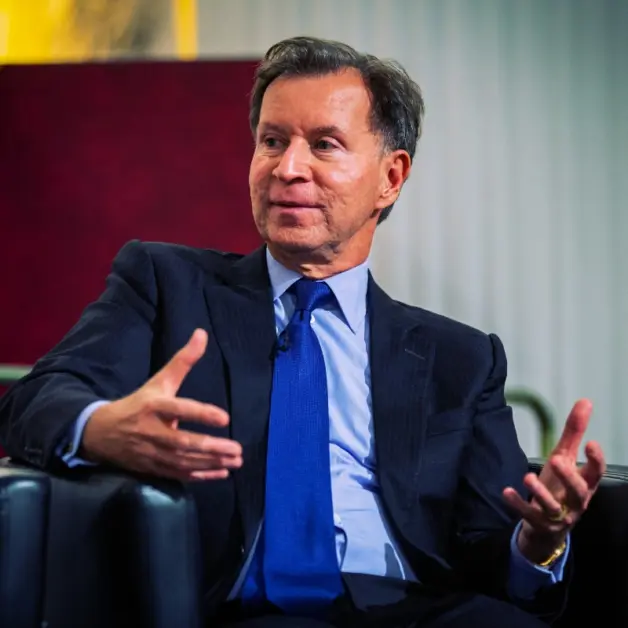
Big thanks to John Studzinski for joining us today. To learn more about John, visit About John Studzinski CBE – Genesis Foundation. Grab yourself a copy of the book A Talent for Giving: Creating a more generous society that benefits everyone
Our Headline
- A behavioral finance argument for glide paths (Financial Planning)
Doug’s Trivia
- On today’s date back in 1981, a boxer fought his last fight in what was billed “Drama in Bahama.” The event had issues, including a last-minute scramble to find boxing gloves. The fighter retired at age 39, well past what most consider a boxer’s prime. Who was the boxer?
Have a question for the show?
Want more than just the show notes? How about our newsletter with STACKS of related, deeper links?
- Check out The 201, our email that comes with every Monday and Wednesday episode, PLUS a list of more than 19 of the top money lessons Joe’s learned over his own life about money. From credit to cash reserves, and insurance to investing, we’ll tackle all of these. Head to StackingBenjamins.com/the201 to sign up (it’s free and we will never give away your email to others).
Other Mentions
Join Us Friday!
Tune in on Friday for a special roundtable discussion where we ask, “What have we learned from the events of 2025?”
Written by: Kevin Bailey
Miss our last show? Listen here: The Fire Safety Steps You’re Skipping (Plus: What the World Worries About in Retirement) SB1774
Episode transcript

Leave a Reply